

Do you have an Energetic and Strong Community?
Your community maintains its strength by developing a recreational plan with goals and measurable achievements.
Your community maintains its strength by developing a recreational plan with goals and measurable achievements.

Do you have regional parks, community parks, school parks, neighborhood parks and mini-parks? Your community is unique. The level of service you provide to your residents must be tailored to the appropriate range, quantity and quality of recreation facilities within your fiscal limits. Both active and passive opportunities are essential to the development and the maintenance of a strong community. SSM can help you maintain your community strength by working with you to achieve your park and recreation goals. Your park system should work the same way. It is maintained and strengthened by integrating various park sizes and types to meet the specific needs of your community. The key to developing a strong park system is to determine your needs and then develop a plan that provides the appropriate types of recreational opportunities in the right locations.
Are you flexing the right park muscles to meet your community’s fitness plan? A mini-park is used for isolated or limited recreational needs. These are small parks (less than an acre) and are found in a residential setting. These could be found in a subdivision or at a senior center or daycare center. If the community muscle you need to flex focuses on informal active or passive recreation, then a neighborhood park may need to be added to your park system. The neighborhood park covers a larger area, ideally between 5 and 10 acres, serving a specific neighborhood of up to a half mile service area.
Community parks serve a broader purpose than neighborhood parks. These parks are designed to accommodate a variety of activity and community-based recreation needs. They typically are between 25 and 50 acres and serve two or more neighborhoods within a three mile service area.
Regional parks are generally large parks that draw visitors from a region or several communities that can be an hour or more away. These parks sometimes have historic significance or a unique attribute that make them special and often have a commercial component as well.

CASE STUDY
CHALLENGE: A municipality needs help to determine what type and size of park would meet their community’s needs.
SOLUTION: SSM assisted in determining their needs and then developed a comprehensive approach to develop a series of parks. The size of the municipality warranted two large regional parks and several smaller neighborhood parks. The regional park needed to be centrally located to provide all residents equal access. It was determined that two different types of regional parks, a passive and an active park, would be the best fit.
- The passive regional park was composed of trails, open space, learning areas, and tranquil resting areas. The park was designed to provide opportunities for exploring, with many options to keep the experience fresh and within the capabilities of a variety of age groups and genders.
- The second regional park was developed to provide space for active recreation and was composed of ball fields, playgrounds, tennis courts, basketball courts, Frisbee golf and buildings for youth organizations. The active park was also sensitive to the various needs of the community.
- In addition, it was determined that four smaller neighborhood parks were needed, based on concentrations of housing.
- Each neighborhood park was unique.
- One was located near an over 55 community; it resembled a lush garden with benches across from each other to encourage communication. The plant species were selected to provide interest throughout the seasons.
- The other parks were located in neighborhoods with many active children. Each of these parks included a playground with a different theme, benches for parents to sit and watch their children and walking paths.

BIKE SHARE: Making Communities Better Places to Live, Work and Visit
Maybe you’ve noticed that bicycles for rent are popping up everywhere around the country. It seems that all big cities and even smaller communities have latched on to this new concept of bike share.
Maybe you’ve noticed that bicycles for rent are popping up everywhere around the country. It seems that all big cities and even smaller communities have latched on to this new concept of bike share.

Why bike share? According to the Urban Land Institute, 52% of Americans – and 63% of millennials – want to live where they won’t often need personal cars. Why? Because they want convenience and options. They want to be able to choose the best way between A and B without having to drive. Personal vehicle ownership has been on the decline with the introduction of new mobile technologies. Over 20% fewer people apply for driver’s licenses than they did 20 years earlier. With the rise of shared mobility and autonomous cars coming soon, the need to own a car is decreasing rapidly, especially in cities. Founded in just 2009 and having powered over 3 billion rides, Uber has delighted customers with a simple service - get a car with your phone, with one touch. The same concept is being applied to bicycles.
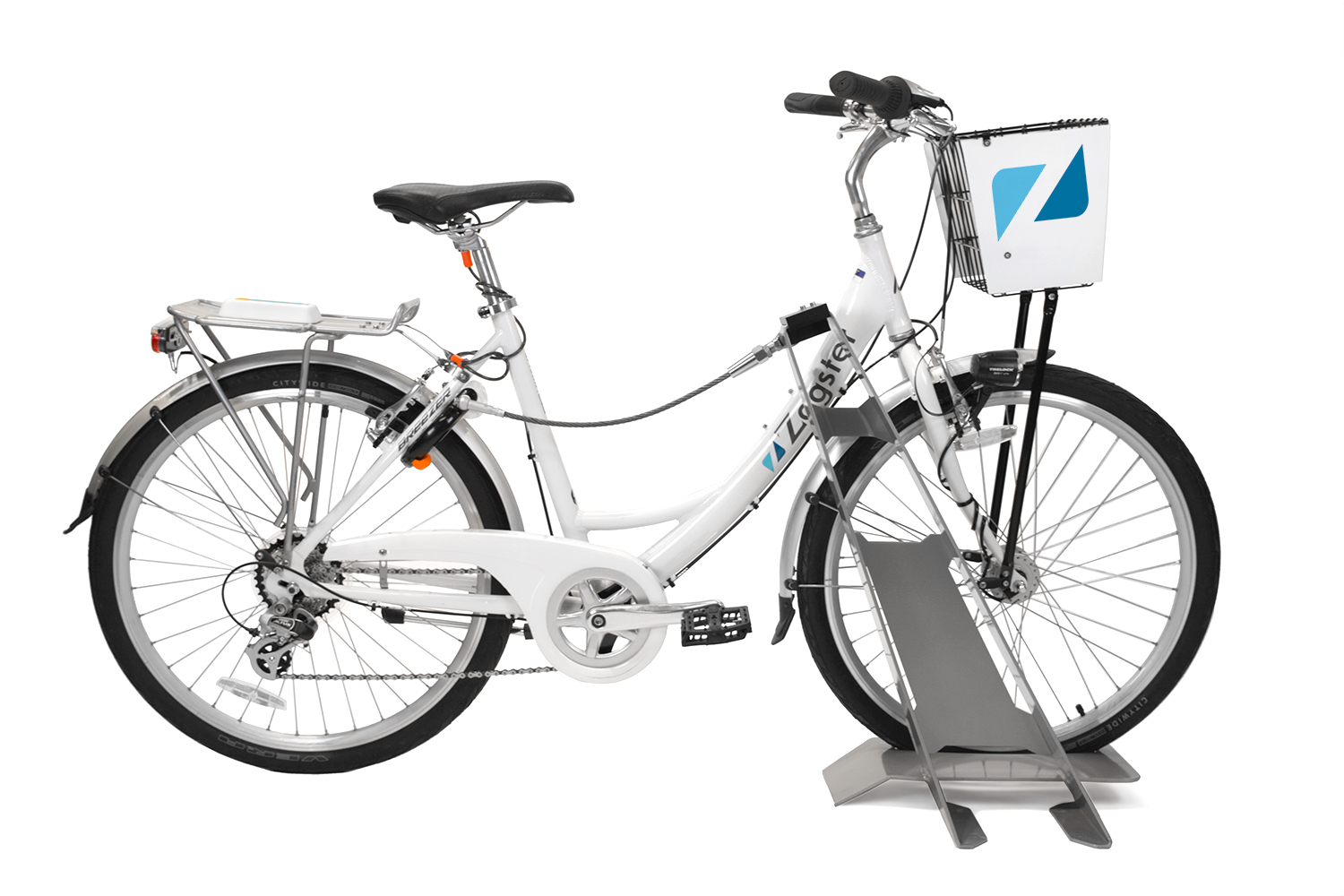
One company offering bike share programs is Cambridge, Massachusetts-based Zagster. Founded in 2007, Zagster is the fastest-growing bike-share provider in North America, with more than 160 bike shares in 35 states. “Technology is reshaping bike share completely. We’re living in a mobile-first world where experiences are powered through apps. People can take the experience with them on a bike,” says Jon Terbush, communications manager at Zagster.
Unlike big-city, kiosk-based bike shares — like Citi Bike, in New York — Zagster’s programs are app-based and use on-bike locking technology. Riders unlock bikes using the free Zagster smartphone app or via text message. Zagster handles everything involved in bike sharing — bikes, stations, apps, fleet operations, marketing, maintenance and repairs, rider support, insurance, data analysis, and account management.
Five years ago, only 16% of the top 25 best places to live had bike share programs. Today, according to US News & World Report, 23 of the top 25 best places to live, now have bike share. Bike sharing seems to be at its tipping point. Terbush added that, “The growth we’ve seen in the market over the past three to five years is only going to accelerate, and I think that’s why bike sharing isn’t just in big cities anymore, it’s moving into smaller cities and smaller spaces in general. There really is a huge demand for it across the board. If we give people access to bikes, they will ride them.”
From quality of life, to improved transportation options, to health and wellness, communities have invested in bike share for many reasons. Communities are also finding that bike share programs have the ability to raise property values. In Washington, D.C., bike share has reduced traffic congestion by 3%, with each bike annually offsetting on average of 250 miles of car travel. Each ride in Minneapolis' bike share added $11 to the local economy. Bike sharing helps people reach businesses and introduces them to new ones.
Zagster recently installed bike share stations at several Pennsylvania locations - Reading Health System, Reading Housing Authority, Penn State Hershey Medical Center, and the City of York. And, programs are coming soon to the Penn State’s main campus and the City of Lancaster.
FOR MORE INFORMATION
Zagster | www.zagster.com
David Reed, Sales Consultant | P: 617-714-9848 | dreed@zagster.com

Are there Opportunities for your Residents to Stretch their Legs?
SSM can help you network your community by planning with you for greenways, open sape, and trails.
A greenway, open space and trail network connects people to nature, each other, village and town centers, parks, historic sites, and the other resources found in your community. Individual health is promoted by providing opportunities for walking, bicycling and jogging; and green infrastructure promotes community health by increasing the quality of life, contributing to economic development, providing an alternative means of transportation, protecting landscapes, and protecting wildlife habitats. Is your community connected?
Planning a greenway, open space and trail network provides opportunities for your residents and visitors to stretch their legs, but is also vital to protecting natural resources and can contribute to economic revitalization, and encourage tourism. Such planning can be done as a component of a comprehensive plan or as a stand-alone plan.
A greenway is a corridor of open space, and can take the form of a conservation greenway, recreational greenway, riparian buffer, landscape corridor, or greenbelt around a developed area. Ideally, there will be a continuous system of greenways planned throughout the community.
The network plan itself includes an inventory of existing resources, a vision, mapping of the network and destinations, and an action program to realize the vision. The action program is critical to implementing the plan, and typically includes recommendations for zoning and subdivision and land development ordinance amendments to protect open space and facilitate completion of the trail system, official mapping of target open areas, recreational facilities, and trails, and other greenway preservation and trail construction strategies.
SSM can help you network by planning with you for greenways, open space, and trails. SSM’s services include preparing conceptual trail plans and greenway and open space components as part of comprehensive plans; preparing stand-alone plans; rails-to-trails planning; designing walking, bicycling and equestrian trails in master park plans; designing elements of trails, such as pedestrian bridges; preparing official maps; and drafting ordinance amendments.

CASE STUDY
CHALLENGE: A community contains resources including two State Parks, State Game Lands, a recreational reservoir, numerous ponds and lakes, forested watersheds, extensive wetlands, and two ski areas. The Township faces threats to its recreation-resort oriented character and natural resource and recreation-based economy from 3,000 proposed dwelling units and a potential new interchange on a nearby interstate highway.
SOLUTION: In response, the Township is preparing a Comprehensive Plan Update which contains a Greenways and Open Space component.
The Greenways and Open Space Plan
- Plans a continuous open space system throughout the Township protecting State Park and State Game Lands, Natural Areas Inventory sites, water bodies and water courses, wetlands, forested watersheds, and private recreation areas.
- Identifies target open space areas for acquisition, conservation easements, zoning protection, and placement on the Official Map.
- Plans an expanded trail system which connects existing trails; provides for pedestrian access to commercial areas; links residential centers to existing trails, existing and proposed recreation facilities, natural areas and other residential areas; designates trail heads; and connects to recreation facilities and trails in adjoining municipalities.

School's Out for Summer
If new athletic or play equipment is not in your budget this year, why not give your park a “facelift”.
If new athletic or play equipment is not in your budget this year, why not give your park a “facelift”.

Fill the cracks in the pavement. For macadam pavement, if the crack is deep, fill the bottom with gravel before placing filler material. Leave gravel about 4” from finished grade. Finish-off with an asphalt sealer. If your concrete pavement is cracked, fill bottom of deep cracks with gravel first. For cracks up to ¾” wide, a typical crack filler product is sufficient.
Replace rotted timber edging. If a portion of the edging is damaged, replace only that portion. If most of it is damaged, then you have the option of replacing it in kind or replacing it with recycled plastic lumber or plastic/steel edging.
Prepare for rain. Poor storm drainage can be as simple as unclogging the inlet drain grate if leaves or trash have built up. Gutters on park facilities may be clogged with leaves that should be cleared to promote flow.
Look for signs of erosion. Since erosion usually results in loss of soil, the best fix is to cover the soil to prevent loss of material. Grass lawn or groundcover such as crown vetch or ivy is adequate possibilities. If the area is small and not too steep, it can be planted with shrubs and mulched.
Develop a maintenance schedule. Eliminate the weeds. Overgrown weeds can be quite the eyesore in your park. Pull the weeds in smaller areas. If there are weeds in non-vegetated areas such as sidewalk joints and pavement cracks, a retail herbicide can be used.
Replenish the mulch. Playground guidelines state that in order to achieve full impact attenuation ability with regard to playground safety surfacing, twelve inches (12”) minimum of mulch must be held in place at all times. Daily and weekly maintenance of problem areas (under swings and at the chute bottom of slides is necessary to keep the depth of woodchips to their functional level.
Apply a fresh coat of paint. Basketball Hoops: replace your goal and/or backstop if they look tattered or bent out of shape. If still in good condition, perhaps a coat of white paint on the backboard will do the trick. Simply clean the backboard with a detergent solution, wire brush off any loose scale, prime and finish with white enamel coating.

Enhance the Workplace from the Outside In
Do you want your team to benefit from a break without having to leave your property?

Add an outdoor speaker, and your staff is still connected . . . even if they're unplugged for 15 minutes.
Are you looking for new ways to improve your employee experience? Do you want to boost productivity, and build strong teams? Do you want your team to benefit from a break without having to leave your property?
Before you invest in another table tennis table, scooter or bean bag chair, take a look out the window! Sometimes all it takes is a breath of fresh air. Consider the benefits of investing in outdoor space, to create a setting for employees to relax, refresh, and recharge.
Entice your employees outside by creating a patio area near an entrance or the cafeteria. A few picnic tables are enough to get started. Perhaps develop the area with some privacy screening, comfortable seating, and some shaded areas. For added benefits, consider outdoor power sources (for laptops and cell phones). WIFI is a great addition to the space whether your workers are going to get some work done in the space or maybe spend some leisure time reading or shopping online.
Remember direct sunlight and electronics don’t work well together. Be sure you’ve offered some shaded areas (trees, umbrellas, roofing) and reap the benefits of temperature control as well.
Is there space to move about the property? A trail that winds through your property provides exercise options from relaxing strolls to quick jogs. Add some seating along the way or an activity station to add to the experience. Sometimes you just need a few minutes to recharge and a privacy nook is a welcome site. Use the walking trail to guide users to the treasures on your property, whether it’s a water feature that provides tranquility, a bird-watching area, or a private spot under a tree.
Don’t limit your thinking to ground-level attractions. Do you have a balcony or rooftop access? Whether it’s a flower or vegetable garden or shaded seating, you can provide a fresh air place for employees to break outside the office. Add a grill to the space and host company gatherings.
Add an outdoor speaker, and your staff is still connected…even if they’re unplugged for 15 minutes.

NFPA 70E Arc Flash Risk Assessment
Updated Incident Energy Levels should be determined based on any system revisions and 2015 NFPA 70E requirements.

Although the duty to provide electrical safety in the workplace can be traced to the 1970 Occupational Safety and Health Act, updates and continual revisions to OSHA, National Electrical Safety Code (NESC) and the 2015 Edition of the National Fire Protection Institute (NFPA) 70E represent the basis for requirement for Arc Flash Risk Assessment (formerly a Hazard Analysis) and protective clothing and equipment. Updated Incident Energy Levels should be determined based on any system revisions and 2015 NFPA 70E requirements.
Implementing this in a facility generally consists of the following tasks:
- Arc Flash Risk Assessment Data Collection - Review existing data on the electrical distribution system, and survey existing electrical system to collect additional data required to perform a short circuit analysis and a device coordination review for the facility. Both are required to perform the Arc Flash Risk Assessment with the Incident Energy Analysis Method.
- Arc Flash System Modeling - Utilize field-collected data to develop electrical system software models of the electrical distribution. Examine various operating scenarios of the electrical system to determine the worst case personal protective equipment (PPE) requirements.
- Arc Flash System Analysis - Perform system analyses utilizing the Incident Energy Analysis Method, based on Institute of Electrical and Electronic Engineers (IEEE) 1584 “Guide for Performing Arc Flash Calculations” and NFPA 70E “Standard for Electrical Safety in the Workplace®”. Results will identify locations with high levels of incident energy. These are the areas which require PPE Category 1 and higher.
- Arc Flash Hazard Labels - Provide appropriate labels based on the as-surveyed conditions for the switchboard, distribution panels, motor control centers, subpanels, disconnect switches, control panels and transformers.
- Design for the installation of Arc Flash Mitigation Modifications recommended by the Arc Flash Analysis.
- Training of personnel in arc flash awareness or personal protection equipment (PPE) necessary at each location accessed by the technicians or other qualified personnel as determined by the analysis.

More than the Air you Breathe
It has become apparent over the years, that more problems negatively affect building occupants than just poor Indoor Air Quality (IAQ).
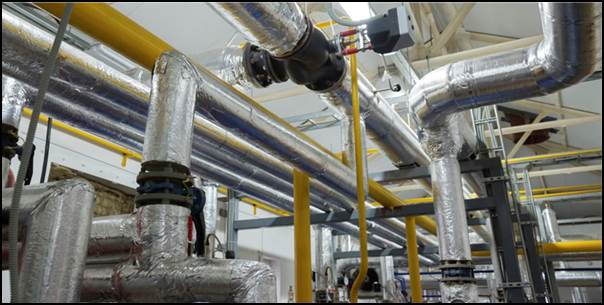
It has become apparent over the years, that more problems negatively affect building occupants than just poor Indoor Air Quality (IAQ).These additional problems can include but are not limited to structural issues, design and layout issues, mechanical issues, noise issues and even lighting issues. The inclusion of these additional factors in building occupant satisfaction has led to the use of the term Indoor Environmental Quality (IEQ), which can either simply include IAQ issues or be referred to in addition to IAQ issues.
Several of the factors mentioned above, specifically structural, design and mechanical issues, tend to directly affect air quality. Research has concluded that IAQ/IEQ factors not only affect the comfort and health of building occupants, but has also been shown to significantly impact student academic performance both directly and indirectly. Students are directly affected when their comfort and health levels are decreased, with their ability to learn and retain lessons also declining. Likewise, a teacher’s ability to teach and interact with their students decreases when their comfort and health levels are negatively impacted. Teachers and students spend a significant amount of time in their school buildings, in some cases more time than they spend at home; therefore, it is crucial that school administrators and facility managers recognize the importance of proactively addressing IAQ/IEQ issues in their school buildings.

Indoor Environmental Management Programs
We consider all environmental factors in our IAQ/IEQ management programs to include building structure, materials, construction activities, and heating, ventilation, air conditioning (HVAC) systems, as well as the building occupants activities, the cleaning and maintenance of the building and sources originating outside the building that have the potential to impact indoor air quality.

At SSM, we consider all environmental factors in our IAQ/IEQ management programs to include building structure, materials, construction activities, and heating, ventilation, air conditioning (HVAC) systems, as well as the building occupants activities, the cleaning and maintenance of the building and sources originating outside the building that have the potential to impact indoor air quality. Our program is designed to recognize how systems work together within the built environment to improve indoor air quality and create a Satisfactory Work and Learning Environment (better than Satisfactory is our goal!).
A customized IAQ/IEQ Management Program may be exactly what your school needs to ensure you’re providing a safe learning environment for your staff and students. SSM’s health & safety professionals and engineering staff have developed a comprehensive Indoor Environmental Management Program to address these issues. As no two schools are ever quite the same and even two similar schools may have very different issues, the program is intended to be customized and adapted for the individual needs or level of coverage required by the subject school(s).
This program is designed to assist school facility managers identify and eliminate Indoor Air Quality/ Environmental issues that impact the school’s learning environment. The program establishes an IEQ baseline that has proven to be instrumental in designing and implementing solutions to address any outstanding IEQ issues as well as prevent future issues from occurring. SSM combines decades of experience working with hundreds of school buildings and assisting facilities managers with every day indoor environmental quality problems.
Based on the school district’s site specific situation, SSM’s staff can develop a management plan customized to assure that the indoor air quality/indoor environmental quality is not compromised during ongoing construction activities and will work with the district to maintain the highest level of indoor air quality. SSM will assist the facility managers with determining what problems exist in the schools and how can they be addressed and prioritized in a cost effective logical fashion.

It’s not too Early to Begin Preparing Your Buildings for the Fall
Now is the time to plan ahead to avoid typical last-minute problems like mold and legionella.
“Before everything else, getting ready is the secret to success.”
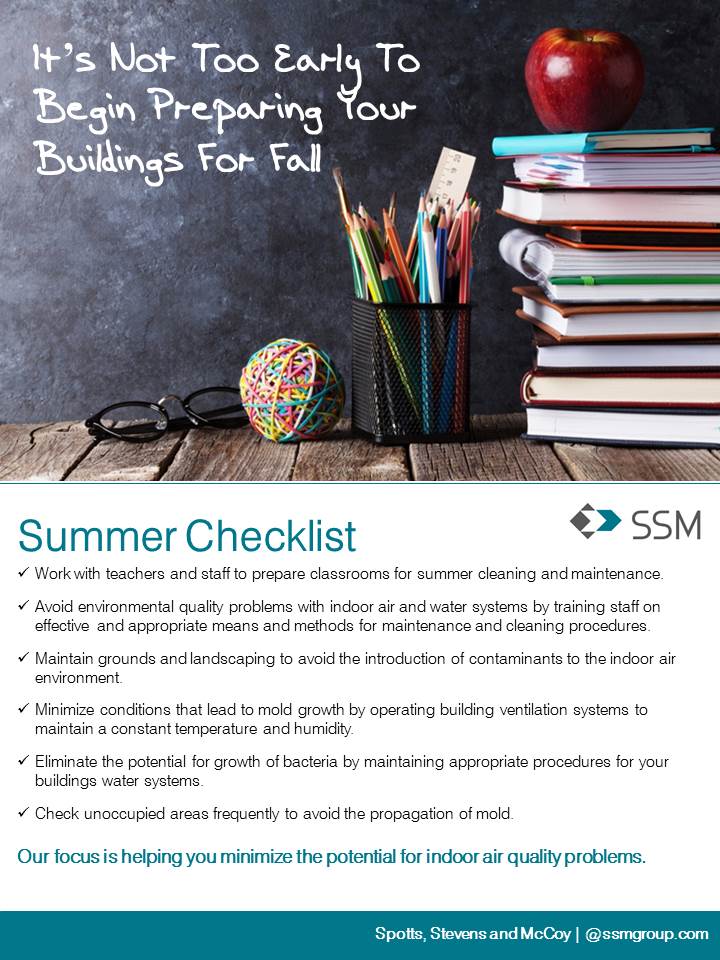
Now is the time to plan ahead to avoid typical last-minute problems like mold and legionella. Although the students are vacationing and the classrooms are empty, school buildings and grounds continue to be a busy place during the summer months. In addition to finalizing budgets and overseeing summer construction and renovations, it’s important to take proactive steps to avoid problems in the fall.
We recommend addressing the symptoms before they escalate into problems. Each year we are called to investigate various indoor environmental situations, many of which result in expensive clean-up costs. You can avoid many of those non-budgeted expenses by taking proactive steps during the summer months. A few suggested steps are included in our Summer Checklist.
Spotts, Stevens and McCoy has been providing services to schools for more than 70 years. Our focus is to help you minimize the potential for indoor air quality problems with a proactive approach for existing building and buildings under construction.
Summer Checklist
- Work with teachers and staff to prepare classrooms for summer cleaning and maintenance.
- Avoid environmental quality problems with indoor air and water systems by training staff on effective and appropriate means and methods for maintenance and cleaning procedures.
- Maintain grounds and landscaping to avoid the introduction of contaminants to the indoor air environment.
- Minimize conditions that lead to mold growth by operating building ventilation systems to maintain a constant temperature and humidity.
- Eliminate the potential for growth of bacteria by maintaining appropriate procedures for your buildings water systems.
- Check unoccupied areas frequently to avoid the propagation of mold.

Quality Air is Fundamental
Maintaining the highest levels of air quality is most important in healthcare facilities where occupants are most susceptible to irritants in the air. It is vital to maintain a sterile environment in health care facilities to prevent the spread of infection as well as the threat of exacerbating pre-existing conditions

The majority of an individual’s day is typically spent indoors which makes maintaining good indoor air quality essential to a person’s overall health. Fifty percent of all illnesses are either caused by, or aggravated by, polluted indoor air. Maintaining the highest levels of air quality is most important in healthcare facilities where occupants are most susceptible to irritants in the air. It is vital to maintain a sterile environment in health care facilities to prevent the spread of infection as well as the threat of exacerbating pre-existing conditions. Burn patients and patients with compromised immune systems are at the greatest risk for infection and demand the most stringent infection control measures combined with high indoor air quality.
Special precautions must be taken into account especially during construction projects to prevent infections from spreading as well as dust and other irritants contaminating adjacent areas. When undertaking a construction project in a healthcare facility, it is highly recommended to contract an indoor air quality specialist to provide indoor air quality (IAQ) oversight during construction activities. It is important to support construction projects with IAQ oversight in all applications within a healthcare facility due to air systems communicating with the entire building. If construction projects are needed in areas such as burn units, operating rooms, or any area where sterilization is vital, special precautions must be taken to assure the air quality is not compromised during the project. Infection control risk assessment (ICRA) measures must be taken and followed to varying degrees based on the sensitivity of the work area to maintain proper air quality and infection control. In areas of highest risk for infection, such as burn units and operating rooms, ICRA containments must be created and special work practices must be implemented.
ICRA Special Work Practices
- Isolate the HVAC system in the area where work is being done to prevent contamination of the duct system. Complete all critical barriers i.e. sheetrock, plywood, plastic, to seal area from non work areas or implement control a cube method (cart with plastic covering and sealed connection to work site with a HEPA vacuum for vacuuming prior to exit) before construction begins.
- Maintain negative air pressure within the work site utilizing HEPA equipped air filtration units. Seal holes, pipes, conduits, and punctures.
- Construct anteroom and require all personnel to pass through this room so they can be vacuumed using a HEPA vacuum cleaner before leaving work site or they can wear cloth or paper coveralls that are removed each time they leave work site.
- All personnel entering the work site are required to wear shoe covers. Shoe covers must be changed each time the worker exits the work area.
- A thorough sampling protocol must be created by an indoor air quality specialist to provide data that the work areas were properly contained and all construction generated particulates were being contained. Upon completion of the work in a contained area, an experienced industrial hygienist will perform a visual inspection and additional particulate sampling to confirm the area was suitable for re-occupancy. Through expert design of the sampling protocol and analysis of all data collected by the indoor air quality specialists, it can be definitively shown that the air quality was not compromised during the construction project. As always, the goal is to establish the highest level of indoor air quality to promote a healthy working environment as well as maintaining a sterile environment for patients to heal.

Protecting Your Workers’ Health and Safety
Workers exposed to hot indoor environments and/or hot and humid conditions outdoors are at risk of heat- related illness and injuries. Individuals performing heavy work tasks and/or using bulky or non-breathable protective clothing and other personal protective equipment (PPE) are at greatest risk to heat exposure.
Workers exposed to hot indoor environments and/or hot and humid conditions outdoors are at risk of heat- related illness and injuries. Individuals performing heavy work tasks and/or using bulky or non-breathable protective clothing and other personal protective equipment (PPE) are at greatest risk to heat exposure.
Even still, some workers may be at greater risk than others if they have not built up a tolerance to hot conditions, or if they have certain health conditions. It’s important to prepare workers for their duties in hot environments.
Workers who are suddenly exposed to working in a hot environment face additional and generally avoidable hazards to their safety and health. New workers and those returning back to work after a prolonged absence are especially vulnerable. All workers should be medically fit for the exposure as well as for the types of PPE they may need to use (such as respirators).
It’s vital to educate workers about the dangers of heat and the best ways to minimize its affects, to acclimatize workers to the hot environment and if possible, gradually increase the workload. One simple solution to help mitigate the risk of heat-related injuries is to allow employees to take more frequent breaks and encourage the consumption of water as good hydration is a critical part of their body’s ability to manage exposure to hot environments.
Many industries such as steel and iron foundries, shipyards, manufacturing facilities, power plants, and commercial kitchens generate substantial heat and/or require the wearing of PPE year round and it is important to make the working environment as safe as possible. In such environments it is most likely that heat is not the only work related hazard that workers are subjected to on a daily basis.
Hazards such as noise, mold, dust, and toxic welding fumes and organic solvents can multiply the risk for injury when combined with excessive heat. When air quality is compromised in a work environment, it is necessary for workers to protect themselves with proper PPE such as respirators, safety glasses, full body suits, hearing protection and gloves which will help shield them from the harmful aspects of the job. This protective equipment does not allow the worker to regulate their body temperature normally and can greatly increase the occurrence of heat related injuries. It is crucial to take preventative measures in an industrial environment to maintain proper indoor air quality so workers are not exposed to several hazards requiring “layers” of protection.
Due to certain industrial processes a hot working environment is unavoidable however controlling your indoor air quality is not. Combining hot working conditions with poor air quality and other hazards puts workers at a greater risk of heat related injuries as well greatly reducing productivity.

Impact of Facility Management
Integrating place, people, systems, technology and process is no small task.


Integrating place, people, systems, technology and process is no small task.
Making sure that buildings and their services are functioning at peak levels is the mission of the facility manager and staff, and their list of responsibilities is probably filled equally between reactive and proactive measures to make sure the surrounding environment is in a suitable condition to work and thrive. No matter the size of the organization though, engaging outside facility engineering and environmental professionals to become trusted partners will alleviate some of the burdens of critical events and fulfilling strategic initiatives. Whether it’s an imminent compliance issue, or long-term planning, having access to additional technical assistance and experience in projects that may be seldom-done in-house provides real value. In addition to successfully completing projects within time and budget, measuring the success of facility consultants to provide value should include regular discussion of metrics that improve communication and project outcomes.
With the shift in workplace requirements like technological/social collaboration, flexible work/life balance, and sustainable practices to name a few, the role of the facility manager has an expanded reach and impact on the organization’s success.
- Corporate Culture - Aligning the facility goals with the business goals is an essential step. Facility management plays an integral role in the creation and sustainability of company and organizational culture. From team collaboration requirements to client expectations to employee amenities to sustainable practices the physical layout of the space has a measurable impact on the culture and atmosphere within an organization.
- Integrated Technology and Mobility - As a generation of employees that has grown-up with technology enters the workplace, the facility manager will face higher demands related to technology integrations. The facility manager will need to maintain and operate data centers, provide easily accessible connections and meet the expectation of minimal downtime. The traditional brick and mortar organization must be equipped with technology and expertise that will allow the facility manager to access building systems, records, vendors, and drawings on the go. A detailed asset management program provides today’s facility manager all the information at their fingertips.
- Business Intelligence - As a strategic partner in the organization’s success, the facility manager needs to make data-driven decisions. That means not only reducing costs in managing the operations, but also understanding the impact that facility decisions has on the overall business. Shifts in energy usage, temperature requirements, workflow processes have an impact on the facility requirements and the operational expenses associated with the facility.

Facility Planning: Aligning short, mid-, and long-term business plans
For facility managers, long-term planning may be as long as 20 years in the institutional world or as far-sighted as 10 years in the commercial field depending on the next fiscal downturn, acquisition or merger. Regardless of the cycle, aligning the facility plan with the company business plan is critical to meet the demands of human resources, sales and marketing, research, manufacturing, and of course, finance.


For facility managers, long-term planning may be as long as 20 years in the institutional world or as far-sighted as 10 years in the commercial field depending on the next fiscal downturn, acquisition or merger. Regardless of the cycle, aligning the facility plan with the company business plan is critical to meet the demands of human resources, sales and marketing, research, manufacturing, and of course, finance. With the additional factors of aging equipment, finishes and envelope, a master plan can provide the roadmap for implementing replacement, modifications and upgrades to support the corporate mission, all while these facilities remain online.
SSM recently completed a Mission Critical Facility Master Plan Update outlining the steps and costs to bring a 300,000 sf office and level 3/3+ data center hotel from its present condition based on circa 2005 watt densities to newly established goals. Having performed the existing conditions assessment, the team evaluated and recommended approaches to achieve the company’s goals maintaining operation of the site and service to its tenants. The effort considered use of floor space, central utility capacities, infrastructure, equipment End of Life (EoL) replacement, and changes in requirements and guidelines for critical data centers. The deliverable provided a phased approach for upgrading the facility’s power distribution, emergency standby power, UPS power distribution, and expansion and upgrading of the central chilled water plant and distribution system. A timeline was established inter-relating the EoL replacement of equipment, increase in power source capacity and distribution, and central cooling capacity and distribution so that growth and modifications were undertaken in steps that were coordinated and manageable. A timeline was established inter-relating the EoL replacement of equipment, increase in power source capacity and distribution, and central cooling capacity and distribution so that growth and modifications were undertaken in steps that were coordinated and manageable.
Goals were established that reflected immediate (plans on the books), short term (full fitout at probable densities) and long term (densities thought reasonably achievable within 20 years). The conditions assessment information was used to define the modifications that would be necessary to support those projects to be constructed in the immediate future and develop the timeline and phasing to support the increased watt density and increasing occupancy of the facility established with the client. A long range plan was also developed outlining the steps necessary to support the 20 year vision.
Making significant modifications to any facility is challenging. Making modifications to a facility that must remain on line with redundant capabilities and providing for growth at the same time extremely challenging. Further adding to the complexity of the development of the plan was the client’s commitment to EoL replacement of aging equipment to assure up time. The plan was developed overlaying the timelines for EoL replacement of equipment with the timeline for growth and timeline for system/infrastructure expansion to produce one master timeline to achieve the desired goals.

Tools for the Facility Manager
We are using drone technology, HDS and BIM on our projects to enhance our collaborative relationships for outstanding results.
Drones are a powerful solution for monitoring construction, capturing hard-to-reach details, and documenting infrastructure on expansive sites.
We are using drone technology, HDS and BIM on our projects to enhance our collaborative relationships for outstanding results. We can measure things that couldn't be measured before, capture images of existing conditions for future reference, bring information to your fingertips as well as create reference points for future site considerations.
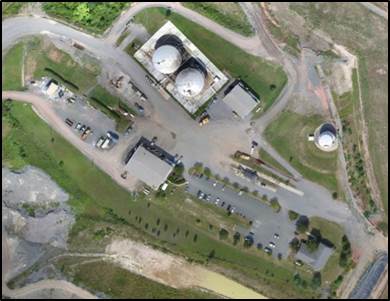
The view from above.
Identifying features on a project site slated for demolition and reconstruction at another location. The imagery from the software is clear at either 20 or 40 scale (1” = 40’).

Measuring design impact.
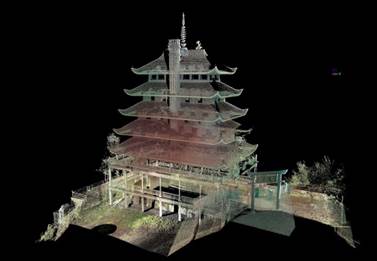
SSM utilized high definition laser scanning equipment and software to quickly and accurately capture the existing structure and landscape conditions for an Amphitheater Design at Swarthmore College. The Revit model and accompanying point cloud allows the team and owner to design and then view the effects their design will have on the multi-terraced levels, stone retaining walls and mature trees.

When access is limited.
The SSM civil and structural engineering team utilized high definition surveying to streamline a project with critical timelines for DeMet’s Candy Company. What started as a simple condition assessment of the exposed steel beams, led to in situ repairs of multiple beams, severely eroded foundations, casting new retaining walls and underpinning. The building literally spans over an active trout stream, which led to access issues for work and equipment. Potential stream impacts required proper documentation and permitting. All of the work was designed and carried out without the aid of heavy machinery. The largest piece of equipment that could gain access to the work area was a small skid loader.

Connect the Dots
Despite the accuracy and speed, the widespread use of high definition scanning (HDS) for documentation of existing buildings has been hindered by the often asked question of “now what do I do with the point cloud?” Many HDS service providers can deliver a point cloud, but have limited experience in developing useful 2D or 3D models of all of the building systems, or the ability to create other useful visual tools for data analysis.
Connecting the dots, or technically speaking, the 3D coordinate data points, was a laborious, time-consuming exercise in the advent of the tool, but thanks to the integration of Point Cloud engines by major players like AutoDesk and Bentley, third-party software is quickly gaining maturity to allow more automated extraction of piping, structure and envelope. If the challenge of what to do with the Point Clouds was a deterrent to utilizing HDS, it’s worth a fresh look at the vastly improved work flows and deliverables.
Managing the Data Center
Are you faced with cool spots or hot spots? Are you providing more cooling than necessary? It may be time to focus on the details of air distribution and find out how a small change in air flow can affect your temperature.

Maximizing Efficiency and Reducing Operational Costs
Are you faced with cool spots or hot spots? Are you providing more cooling than necessary? It may be time to focus on the details of air distribution and find out how a small change in air flow can affect your temperature.
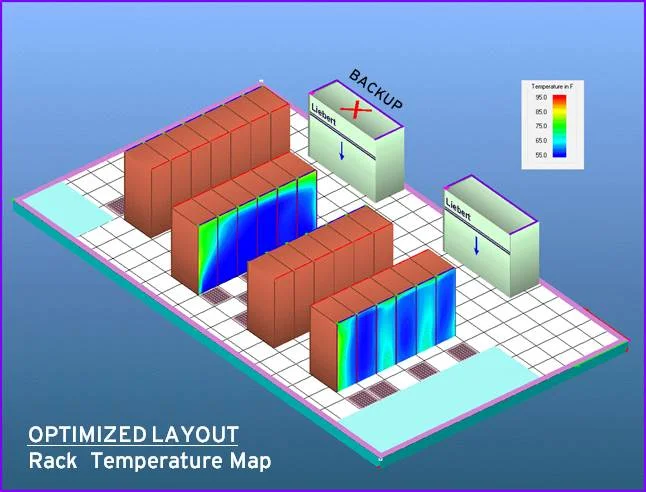
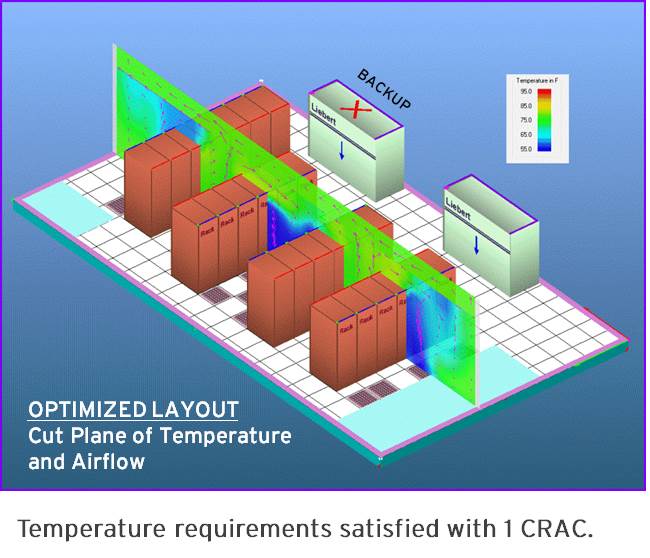
Our engineers utilize CFD analysis to optimize the cooling system and layout. The data power load and the cooling system are matched and arranged to achieve maximum energy efficiency. This keeps the cost of cooling both in equipment and operation down while maximizing the data load capability.
We create a model that replicates the physical data center layout including power densities and cooling equipment locations and capabilities and the analysis is run to determine the resulting temperatures and airflows in the space. Using programs specifically designed for use in analyzing air movement and heat transfer, we can create a virtual simulation of the conditions within a data center allowing the engineer to model different scenarios that may occur such as the failure of a cooling unit.
A Little Change can Make A Big Difference
- Maximize efficiency and reduce operational costs: Don’t buy more cooling than you need. Eliminate hot spots.
- Save energy and money: Properly cool your servers. Maximize your load density. Realize an efficient space layout.


Managing the Risk associated with Hazardous Materials
The storage, issue, use, and disposal of flammable and combustible materials falls under the rules and regulations promulgated under OSHA and the National Fire Protection Association.

The storage, issue, use, and disposal of flammable and combustible materials falls under the rules and regulations promulgated under OSHA and the National Fire Protection Association.
The Hazard Communication Standard
(29 CFR 1910.1200(g)) was revised in 2012 to require that the chemical manufacturer, distributor, or importer provided Safety Data Sheets (SDSs), formerly MSDSs or Material Safety Data Sheets, for each hazardous chemical to downstream users to communicate information on these hazards. The information contained in the SDS is largely the same as the MSDS, except now the SDSs are required to be presented in a consistent user-friendly, 16-section format.
The SDS includes information such as the properties of each chemical; the physical, health, and environmental health hazards; protective measures; and safety precautions for handling, storing, and transporting the chemical.
SDS Sections
- Identification. Identifies the chemical on the SDS as well as the recommended uses.
- Hazard(s) Identification. Identifies the hazards of the chemical presented on the SDS and the appropriate warning information associated with those hazards.
- Composition/Information on Ingredients. Identifies the ingredient(s) contained in the product indicated on the SDS, including impurities and stabilizing additives. This section includes information on substances, mixtures, and all chemicals where a trade secret is claimed.
- First-Aid Measures. Describes the initial care that should be given by untrained responders to an individual who has been exposed to the chemical.
- Fire-Fighting Measures. Provides recommendations for fighting a fire caused by the chemical.
- Accidental Release Measures. Recommendations on the appropriate response to spills, leaks, or releases, including containment.
- Handling and Storage. Guidance on the safe handling practices and conditions for safe storage of chemicals.
- Exposure Controls/Personal Protection. Indicates the exposure limits, engineering controls, and personal protective measures that can be used to minimize worker exposure.
- Physical and Chemical Properties. Identifies physical and chemical properties associated with the substance or mixture.
- Stability and Reactivity. Describes reactivity hazards of the chemical and the chemical stability information.
- Toxicological Information. Identifies toxicological and health effects information or indicates that such data are not available.
- Ecological Information. Provides information to evaluate the environmental impact of the chemical(s) if it were released to the environment.
- Disposal Considerations. Provides guidance on proper disposal practices, recycling or reclamation of the chemical(s) or its container, and safe handling practices.
- Transport Information. Provides guidance on classification information for shipping and transporting of hazardous chemical(s) by road, air, rail or sea.
- Regulatory Information. Identifies the safety, health, and environmental regulations specific for the product that is not indicated anywhere else on the SDS.
- Other Information. Indicates when the SDS was prepared or when the last known revision was made.
Employer Responsibilities
Employers must ensure that the SDSs are readily accessible to employees for all hazardous chemicals in their workplace. This may be done in many ways. For example, employers may keep the SDSs in a binder or on computers as long as the employees have immediate access to the information without leaving their work area when needed and a back-up is available for rapid access to the SDS in the case of a power outage or other emergency. Furthermore, employers may want to designate a person(s) responsible for obtaining and maintaining the SDSs. If the employer does not have an SDS, the employer or designated person(s) should contact the manufacturer to obtain one.
FOR MORE INFORMATION:
https://www.osha.gov/Publications/OSHA3514.html


Preparing for MS4 Regulations
Under the new Municipal Separate Storm Sewer Systems (MS4) regulations that will take effect in 2018, new permittees will need to comply with additional obligations to meet the revised general stormwater permit requirements under PAG-13.

Under the new Municipal Separate Storm Sewer Systems (MS4) regulations that will take effect in 2018, new permittees will need to comply with additional obligations to meet the revised general stormwater permit requirements under PAG-13.
Municipal employees, engineers, and contractors can prepare by reviewing the updated Minimum Control Measures (MCMs), and organizing current practices and training to determine possible gaps that fall short of their permit conditions.
Minimum Control Measures
There are 6 areas of stormwater pollution concerns that will be addressed through these MCMs.
- Public Education- Provide education to the public about stormwater pollution and reduction.
- Public Involvement - Involve the public in developing and implementing the municipality’s MS4 stormwater program.
- llicit Discharge Detection & Elimination - Identify and remove unpermitted discharges to municipality’s storm system.
- Construction- Reduce or eliminate stormwater runoff from construction sites in the municipality.
- Post-Construction - Reduce or eliminate stormwater from site where construction has been completed.
- Pollution Prevention/Good Housekeeping- Reducing or eliminating runoff from municipal services and activities.

MS4 Preparations: Explore Mapping Options
If your system isn’t captured in Geographic Information Systems (GIS), now is the time to contemplate upgrading your mapping. Consider capturing all the components of your MS4 conveyance system, which includes pipes, swales, catch basins, roads, and inlets.
Transform your water, sewer, storm water, or transportation infrastructure data into an easy-to-use operations asset management system. SSM’s GIS Asset Management approach captures vital infrastructure data points with your system with survey-grade accuracy.
The data is verified and compiled into a geo-spatial database. By creating customized mobile web applications, the data is accessible to you in the office, or in the field. Field-critical data, such as material description, installation date, inspection reports and service history, available at your finger-tips when you need it most.
Liberate your GIS Data - VIEW A LIVE DEMO
How to Prevent Sewer Overflow
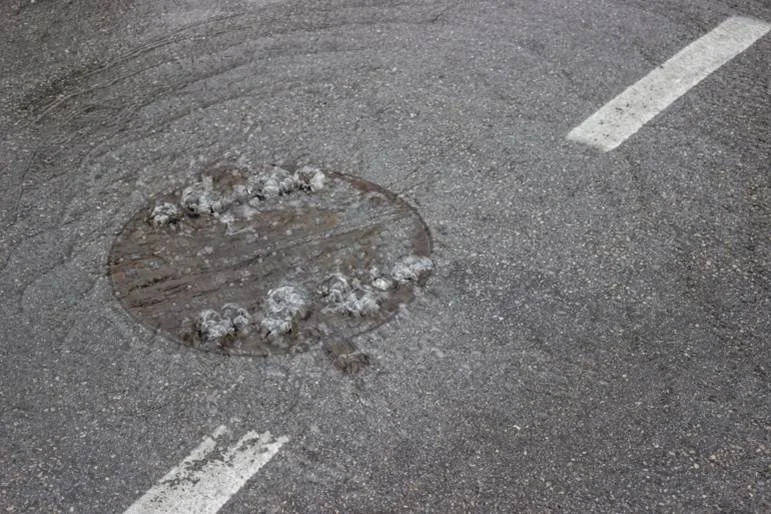
Excessive infiltration/inflow may cause sanitary sewer overflows during wet weather.
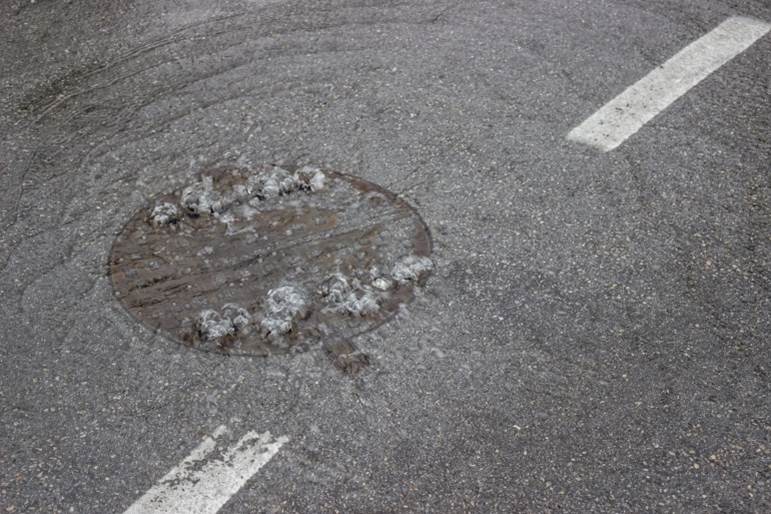
Excessive infiltration may cause sanitary sewer overflows during wet weather
Inflow and Infiltration is caused by storm water or groundwater entering the sanitary sewer collection system. Inflow is caused by rainfall entering a collection system through direct connections such as roof leaders, basement and yard drains, sump pumps, manholes and cross connections with storm water lines. Infiltration is caused by groundwater entering a collection system through defects in the sewer mains or laterals and manholes.
Inflow and Infiltration can impact a sanitary sewer system in several ways including:
- Causes sanitary sewer overflows
- Reduces the ability of collection system and treatment plants to transport and treat sewage
- Increases costs at the treatment plants, which in turn increases the rates to the customers
A good preventative maintenance program is key to identifying problems within the collection system and keeping the sanitary sewer system in good working order. This can help to reduce the chances of a sanitary sewer overflows and increase capacity in both the collection system and treatment plant. A proactive approach to maintaining a collection system can save money and help to protect the environment.
Helping our Clients Face the Rain
St. Lawrence Borough | SSM assisted the Borough in completing sanitary sewer rehabilitation projects for the past 40 years. We completed a sewer rehabilitation project that included lining of over 1,500 LF of sanitary sewer main, several point repairs to the sewer main and rehabilitation of a leaking manhole. This project eliminated approximately 20 gpm of infiltration into the Borough sanitary sewer collection system.

Investing in Clean Water
Spotts, Stevens and McCoy works in all aspects of Water Resources. Investing in clean water is a good business decision.

Spotts, Stevens and McCoy works in all aspects of Water Resources. Investing in clean water is a good business decision.
In the headwaters of the Schuylkill River, the opening day of Trout Season is becoming a cherished family tradition. This is new for the region, since decades of low pH and heavy metals from Abandoned Mine Drainage (AMD) did not allow for either natural reproduction or trout-stocking. Through the efforts of organizations like the Schuylkill Headwaters Association, AMD is being effectively treated. As a result, the water quality of the Schuylkill River headwaters are rebounding and able to support trout.
After the headwaters, the Schuylkill River flows south through Berks County and faces additional challenges from agricultural runoff. Organizations such as the Schuylkill Action Network and community water providers are working directly with farmers to reduce the volume of nutrient and sediment contaminants in the watersheds. Best Management Practices (BMPs) such as manure storage units are helping to decrease close to 300,000 pounds of nitrogen-nitrate from the Maiden Creek Watershed, alone. As a result, nitrates in the groundwater are steadily declining, the community is taking notice.
As the Schuylkill River flows toward Philadelphia, more watershed restoration efforts are underway. Based on population density, federal regulations require communities to monitor and reduce contaminants from entering waterways from stormwater runoff. Known as the Municipal Separate Storm Sewer System (MS4) Program, Pennsylvania has close to 1,000 MS4 communities. Many are located in the lower Schuylkill River Watershed. These regulated communities are working on long-term BMPs to improve the quality of stormwater discharge.
The AMD remediation, agriculture BMPs and MS4 stormwater controls are just a few of the restoration activities underway in the Schuylkill River Watershed. Some of the watershed restoration efforts are voluntary like Source Water Protection Program where community water suppliers are investing in protecting drinking water. Other cleanup activities are mandatory like the MS4 Program. Whatever the reason, investing in clean water is paying dividends. All you need is to watch the pure joy on the face of a seven year old catching his first trout in the headwaters of the Schuylkill River
Site Development and Retrofit Methods to Reduce Stormwater Costs
Managing the water that falls on the land is a complex issue, and has evolved beyond just installing pipes to carry away runoff from a very small area.

Managing the water that falls on the land is a complex issue, and has evolved beyond just installing pipes to carry away runoff from a very small area.
In recent years, stormwater management has received renewed attention from municipalities, regulators, developers, and environmental protection advocates. The stormwater paradigm has shifted, so that communities not only view stormwater as a force of nature that requires careful management but as a resource.
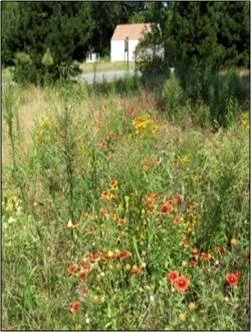
Stormwater impact fees are poised to become a common vehicle for municipalities to address the cost of mitigating impacts of pollutants such as fertilizers, chemicals, oils, and pesticides on waterways due to discharge of stormwater to their stormwater systems (MS4’s). Site retrofits for existing landscapes, and Low Impact Development (LID) techniques for new development can reduce these fees and protect water quality through infiltration, filtering, storage and evaporation, and mimicking site-specific hydrology.
Reducing impervious surfaces, replacing pipes with grassed swales, green roofs, rain gardens, trees, pervious surface alternatives, and bioretention are some of the cost effective and attractive ways to benefit the bottom line, and the environment.