
Dog Days of Summer
By carefully selecting your dog park area, fencing properly, providing a clear set of rules, and plenty of trash cans, you can avoid the most common problems associated with dog parks and add value to the residents of your community.

People love parks! From toddlers to the elderly, you will see people playing in the grass, slipping down the slides, shooting a basket, tossing a softball, enjoying a picnic or taking a quiet nature walk. One common visitor who is often overlooked though in the planning phase for a park is the family dog! Creating a dog-friendly space in your neighborhood park would enable man’s best friend to exercise and have a dog day afternoon.
By following a few simple guidelines, Park Directors can offer the public a service that can really benefit all, by giving the dog its day in a secluded environment designed especially for them.
Pick the place. Dogs need lots of space to run, play, and learn to socialize with people and other pets. A dog park may range from one to ten acres in size. Ideally, the area would be fenced to protect the dogs from accidental run-ins with traffic, to keep overly curious pets out of neighbor’s lawns, and control contact with other park visitors. A varied landscape with short and tall grass, shade trees, and gravel near the entry-ways is recommended.
Don’t forget the amenities. A few basic additions can make your dog park successful. Water, for a quick drink, plenty of trash cans for human and doggy waste, fencing or boundary markers, a little shade, a place for owners to sit, and access to park restrooms make for a great day at the park.
Engage the community. Once a location has been selected, and a basic design has been made, it’s time for the park users to create a list of rules for their dog park. Organizing a dog park volunteer committee to hold clean up and hole-filling days helps create a sense of park ownership and general good-will between the park staff, park users and neighbors.
By carefully selecting your dog park area, fencing properly, providing a clear set of rules, and plenty of trash cans, you can avoid the most common problems associated with dog parks and add value to the residents of your community.
Checkout some online resources for more insight into the design of dog parks, their benefits, how they were created, and common issues.
- www.dogpark.com – everything you ever needed to know!
- https://images.akc.org/pdf/GLEG01.pdf - American Kennel Club publication, "Establishing a Dog Park in your Community”
- http://www.doodycalls.com/blog/tentips-for-planning-and-building-a-dog-park-in-your-community/ - Ten Tips for Planning and Building a Dog Park in your Community

Do you have an Energetic and Strong Community?
Your community maintains its strength by developing a recreational plan with goals and measurable achievements.
Your community maintains its strength by developing a recreational plan with goals and measurable achievements.
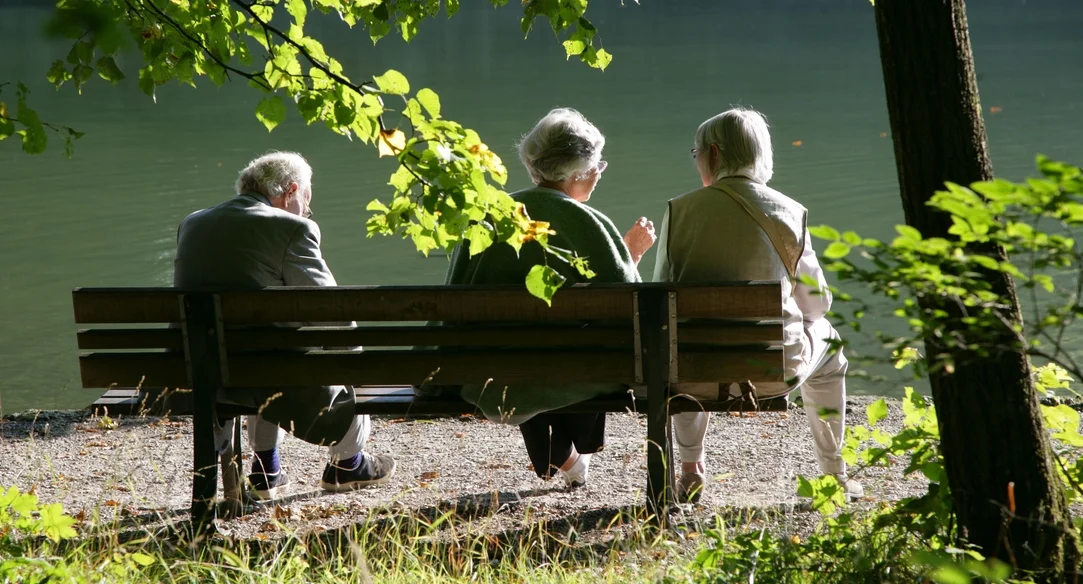
Do you have regional parks, community parks, school parks, neighborhood parks and mini-parks? Your community is unique. The level of service you provide to your residents must be tailored to the appropriate range, quantity and quality of recreation facilities within your fiscal limits. Both active and passive opportunities are essential to the development and the maintenance of a strong community. SSM can help you maintain your community strength by working with you to achieve your park and recreation goals. Your park system should work the same way. It is maintained and strengthened by integrating various park sizes and types to meet the specific needs of your community. The key to developing a strong park system is to determine your needs and then develop a plan that provides the appropriate types of recreational opportunities in the right locations.
Are you flexing the right park muscles to meet your community’s fitness plan? A mini-park is used for isolated or limited recreational needs. These are small parks (less than an acre) and are found in a residential setting. These could be found in a subdivision or at a senior center or daycare center. If the community muscle you need to flex focuses on informal active or passive recreation, then a neighborhood park may need to be added to your park system. The neighborhood park covers a larger area, ideally between 5 and 10 acres, serving a specific neighborhood of up to a half mile service area.
Community parks serve a broader purpose than neighborhood parks. These parks are designed to accommodate a variety of activity and community-based recreation needs. They typically are between 25 and 50 acres and serve two or more neighborhoods within a three mile service area.
Regional parks are generally large parks that draw visitors from a region or several communities that can be an hour or more away. These parks sometimes have historic significance or a unique attribute that make them special and often have a commercial component as well.
CASE STUDY
CHALLENGE: A municipality needs help to determine what type and size of park would meet their community’s needs.
SOLUTION: SSM assisted in determining their needs and then developed a comprehensive approach to develop a series of parks. The size of the municipality warranted two large regional parks and several smaller neighborhood parks. The regional park needed to be centrally located to provide all residents equal access. It was determined that two different types of regional parks, a passive and an active park, would be the best fit.
- The passive regional park was composed of trails, open space, learning areas, and tranquil resting areas. The park was designed to provide opportunities for exploring, with many options to keep the experience fresh and within the capabilities of a variety of age groups and genders.
- The second regional park was developed to provide space for active recreation and was composed of ball fields, playgrounds, tennis courts, basketball courts, Frisbee golf and buildings for youth organizations. The active park was also sensitive to the various needs of the community.
- In addition, it was determined that four smaller neighborhood parks were needed, based on concentrations of housing.
- Each neighborhood park was unique.
- One was located near an over 55 community; it resembled a lush garden with benches across from each other to encourage communication. The plant species were selected to provide interest throughout the seasons.
- The other parks were located in neighborhoods with many active children. Each of these parks included a playground with a different theme, benches for parents to sit and watch their children and walking paths.

BIKE SHARE: Making Communities Better Places to Live, Work and Visit
Maybe you’ve noticed that bicycles for rent are popping up everywhere around the country. It seems that all big cities and even smaller communities have latched on to this new concept of bike share.
Maybe you’ve noticed that bicycles for rent are popping up everywhere around the country. It seems that all big cities and even smaller communities have latched on to this new concept of bike share.

Why bike share? According to the Urban Land Institute, 52% of Americans – and 63% of millennials – want to live where they won’t often need personal cars. Why? Because they want convenience and options. They want to be able to choose the best way between A and B without having to drive. Personal vehicle ownership has been on the decline with the introduction of new mobile technologies. Over 20% fewer people apply for driver’s licenses than they did 20 years earlier. With the rise of shared mobility and autonomous cars coming soon, the need to own a car is decreasing rapidly, especially in cities. Founded in just 2009 and having powered over 3 billion rides, Uber has delighted customers with a simple service - get a car with your phone, with one touch. The same concept is being applied to bicycles.
One company offering bike share programs is Cambridge, Massachusetts-based Zagster. Founded in 2007, Zagster is the fastest-growing bike-share provider in North America, with more than 160 bike shares in 35 states. “Technology is reshaping bike share completely. We’re living in a mobile-first world where experiences are powered through apps. People can take the experience with them on a bike,” says Jon Terbush, communications manager at Zagster.
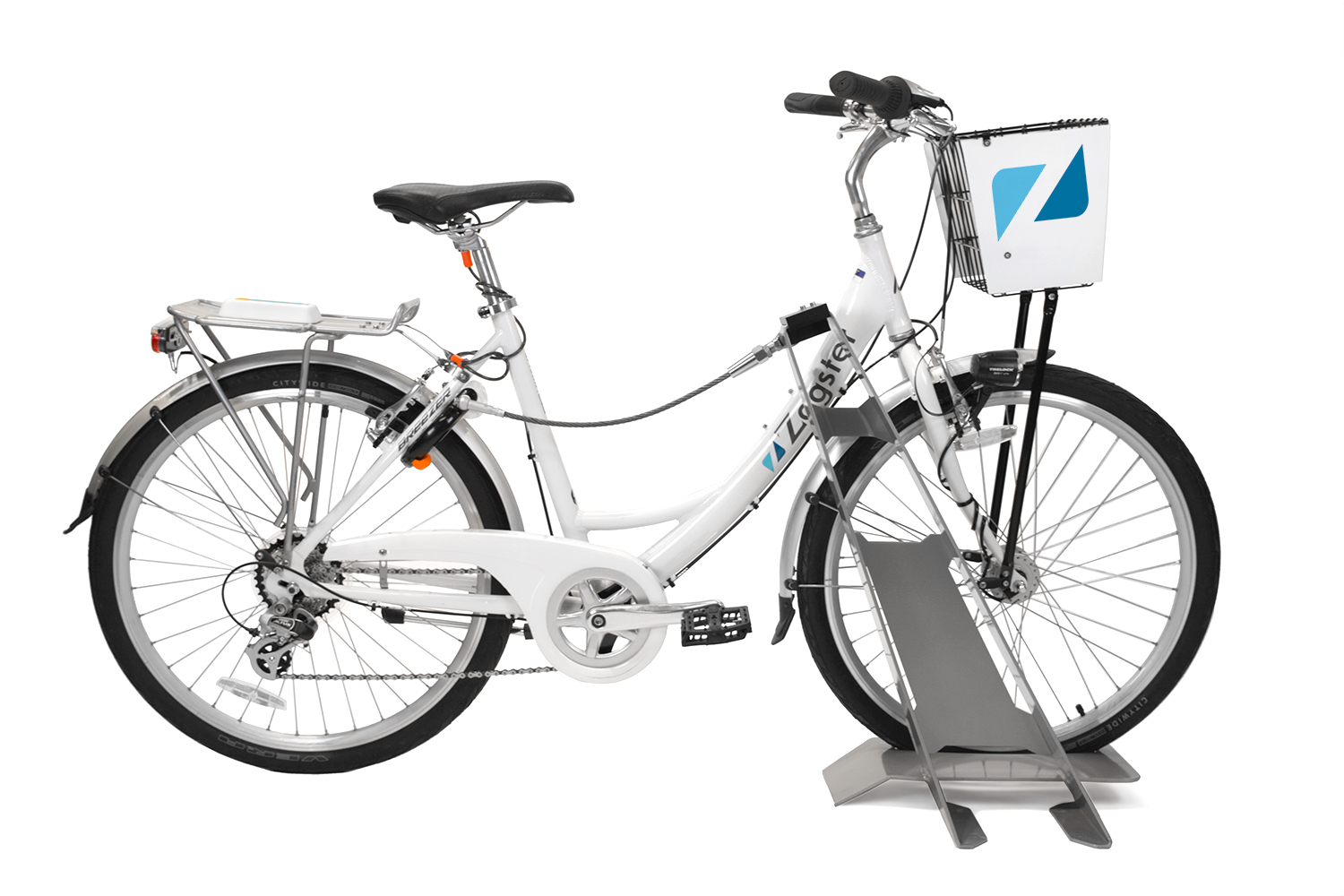
Unlike big-city, kiosk-based bike shares — like Citi Bike, in New York — Zagster’s programs are app-based and use on-bike locking technology. Riders unlock bikes using the free Zagster smartphone app or via text message. Zagster handles everything involved in bike sharing — bikes, stations, apps, fleet operations, marketing, maintenance and repairs, rider support, insurance, data analysis, and account management.
Five years ago, only 16% of the top 25 best places to live had bike share programs. Today, according to US News & World Report, 23 of the top 25 best places to live, now have bike share. Bike sharing seems to be at its tipping point. Terbush added that, “The growth we’ve seen in the market over the past three to five years is only going to accelerate, and I think that’s why bike sharing isn’t just in big cities anymore, it’s moving into smaller cities and smaller spaces in general. There really is a huge demand for it across the board. If we give people access to bikes, they will ride them.”
From quality of life, to improved transportation options, to health and wellness, communities have invested in bike share for many reasons. Communities are also finding that bike share programs have the ability to raise property values. In Washington, D.C., bike share has reduced traffic congestion by 3%, with each bike annually offsetting on average of 250 miles of car travel. Each ride in Minneapolis' bike share added $11 to the local economy. Bike sharing helps people reach businesses and introduces them to new ones.
Zagster recently installed bike share stations at several Pennsylvania locations - Reading Health System, Reading Housing Authority, Penn State Hershey Medical Center, and the City of York. And, programs are coming soon to the Penn State’s main campus and the City of Lancaster.
FOR MORE INFORMATION
Zagster | www.zagster.com
David Reed, Sales Consultant | P: 617-714-9848 | dreed@zagster.com
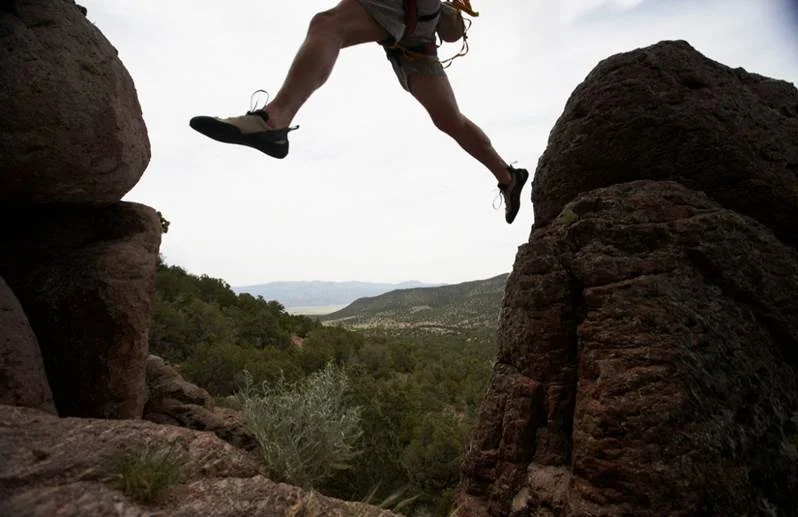
Are there Opportunities for your Residents to Stretch their Legs?
SSM can help you network your community by planning with you for greenways, open sape, and trails.
A greenway, open space and trail network connects people to nature, each other, village and town centers, parks, historic sites, and the other resources found in your community. Individual health is promoted by providing opportunities for walking, bicycling and jogging; and green infrastructure promotes community health by increasing the quality of life, contributing to economic development, providing an alternative means of transportation, protecting landscapes, and protecting wildlife habitats. Is your community connected?
Planning a greenway, open space and trail network provides opportunities for your residents and visitors to stretch their legs, but is also vital to protecting natural resources and can contribute to economic revitalization, and encourage tourism. Such planning can be done as a component of a comprehensive plan or as a stand-alone plan.
A greenway is a corridor of open space, and can take the form of a conservation greenway, recreational greenway, riparian buffer, landscape corridor, or greenbelt around a developed area. Ideally, there will be a continuous system of greenways planned throughout the community.
The network plan itself includes an inventory of existing resources, a vision, mapping of the network and destinations, and an action program to realize the vision. The action program is critical to implementing the plan, and typically includes recommendations for zoning and subdivision and land development ordinance amendments to protect open space and facilitate completion of the trail system, official mapping of target open areas, recreational facilities, and trails, and other greenway preservation and trail construction strategies.
SSM can help you network by planning with you for greenways, open space, and trails. SSM’s services include preparing conceptual trail plans and greenway and open space components as part of comprehensive plans; preparing stand-alone plans; rails-to-trails planning; designing walking, bicycling and equestrian trails in master park plans; designing elements of trails, such as pedestrian bridges; preparing official maps; and drafting ordinance amendments.
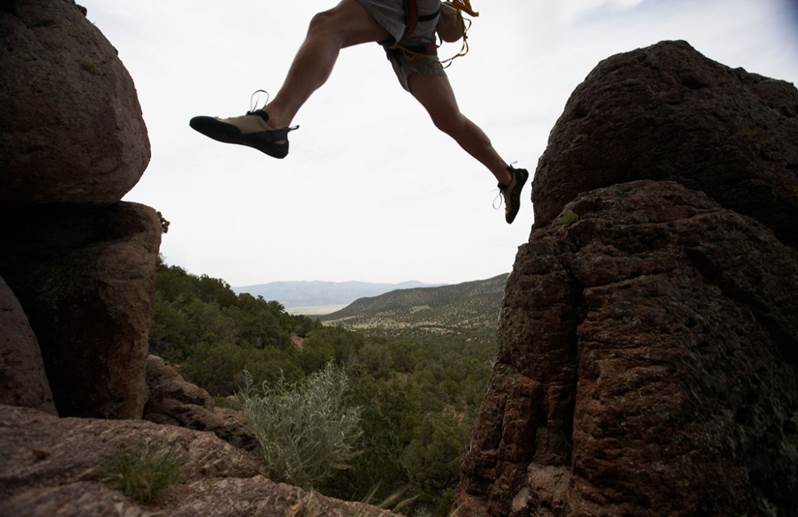
CASE STUDY
CHALLENGE: A community contains resources including two State Parks, State Game Lands, a recreational reservoir, numerous ponds and lakes, forested watersheds, extensive wetlands, and two ski areas. The Township faces threats to its recreation-resort oriented character and natural resource and recreation-based economy from 3,000 proposed dwelling units and a potential new interchange on a nearby interstate highway.
SOLUTION: In response, the Township is preparing a Comprehensive Plan Update which contains a Greenways and Open Space component.
The Greenways and Open Space Plan
- Plans a continuous open space system throughout the Township protecting State Park and State Game Lands, Natural Areas Inventory sites, water bodies and water courses, wetlands, forested watersheds, and private recreation areas.
- Identifies target open space areas for acquisition, conservation easements, zoning protection, and placement on the Official Map.
- Plans an expanded trail system which connects existing trails; provides for pedestrian access to commercial areas; links residential centers to existing trails, existing and proposed recreation facilities, natural areas and other residential areas; designates trail heads; and connects to recreation facilities and trails in adjoining municipalities.

School's Out for Summer
If new athletic or play equipment is not in your budget this year, why not give your park a “facelift”.
If new athletic or play equipment is not in your budget this year, why not give your park a “facelift”.
Fill the cracks in the pavement. For macadam pavement, if the crack is deep, fill the bottom with gravel before placing filler material. Leave gravel about 4” from finished grade. Finish-off with an asphalt sealer. If your concrete pavement is cracked, fill bottom of deep cracks with gravel first. For cracks up to ¾” wide, a typical crack filler product is sufficient.
Replace rotted timber edging. If a portion of the edging is damaged, replace only that portion. If most of it is damaged, then you have the option of replacing it in kind or replacing it with recycled plastic lumber or plastic/steel edging.
Prepare for rain. Poor storm drainage can be as simple as unclogging the inlet drain grate if leaves or trash have built up. Gutters on park facilities may be clogged with leaves that should be cleared to promote flow.
Look for signs of erosion. Since erosion usually results in loss of soil, the best fix is to cover the soil to prevent loss of material. Grass lawn or groundcover such as crown vetch or ivy is adequate possibilities. If the area is small and not too steep, it can be planted with shrubs and mulched.
Develop a maintenance schedule. Eliminate the weeds. Overgrown weeds can be quite the eyesore in your park. Pull the weeds in smaller areas. If there are weeds in non-vegetated areas such as sidewalk joints and pavement cracks, a retail herbicide can be used.
Replenish the mulch. Playground guidelines state that in order to achieve full impact attenuation ability with regard to playground safety surfacing, twelve inches (12”) minimum of mulch must be held in place at all times. Daily and weekly maintenance of problem areas (under swings and at the chute bottom of slides is necessary to keep the depth of woodchips to their functional level.
Apply a fresh coat of paint. Basketball Hoops: replace your goal and/or backstop if they look tattered or bent out of shape. If still in good condition, perhaps a coat of white paint on the backboard will do the trick. Simply clean the backboard with a detergent solution, wire brush off any loose scale, prime and finish with white enamel coating.

Enhance the Workplace from the Outside In
Do you want your team to benefit from a break without having to leave your property?

Add an outdoor speaker, and your staff is still connected . . . even if they're unplugged for 15 minutes.
Are you looking for new ways to improve your employee experience? Do you want to boost productivity, and build strong teams? Do you want your team to benefit from a break without having to leave your property?
Before you invest in another table tennis table, scooter or bean bag chair, take a look out the window! Sometimes all it takes is a breath of fresh air. Consider the benefits of investing in outdoor space, to create a setting for employees to relax, refresh, and recharge.
Entice your employees outside by creating a patio area near an entrance or the cafeteria. A few picnic tables are enough to get started. Perhaps develop the area with some privacy screening, comfortable seating, and some shaded areas. For added benefits, consider outdoor power sources (for laptops and cell phones). WIFI is a great addition to the space whether your workers are going to get some work done in the space or maybe spend some leisure time reading or shopping online.
Remember direct sunlight and electronics don’t work well together. Be sure you’ve offered some shaded areas (trees, umbrellas, roofing) and reap the benefits of temperature control as well.
Is there space to move about the property? A trail that winds through your property provides exercise options from relaxing strolls to quick jogs. Add some seating along the way or an activity station to add to the experience. Sometimes you just need a few minutes to recharge and a privacy nook is a welcome site. Use the walking trail to guide users to the treasures on your property, whether it’s a water feature that provides tranquility, a bird-watching area, or a private spot under a tree.
Don’t limit your thinking to ground-level attractions. Do you have a balcony or rooftop access? Whether it’s a flower or vegetable garden or shaded seating, you can provide a fresh air place for employees to break outside the office. Add a grill to the space and host company gatherings.
Add an outdoor speaker, and your staff is still connected…even if they’re unplugged for 15 minutes.