

Saucony Watershed Restoration: Groundwater Evaluation
Safe drinking water begins at the source.

VIEW THE PRESENTATION
Green Valley Watershed Association February 2017 Meeting
Sharing management strategies for optimum performance of stormwater Best Management Practices.
FOR MORE INFORMATION: Eric Grindrod, PG, Senior Geologist
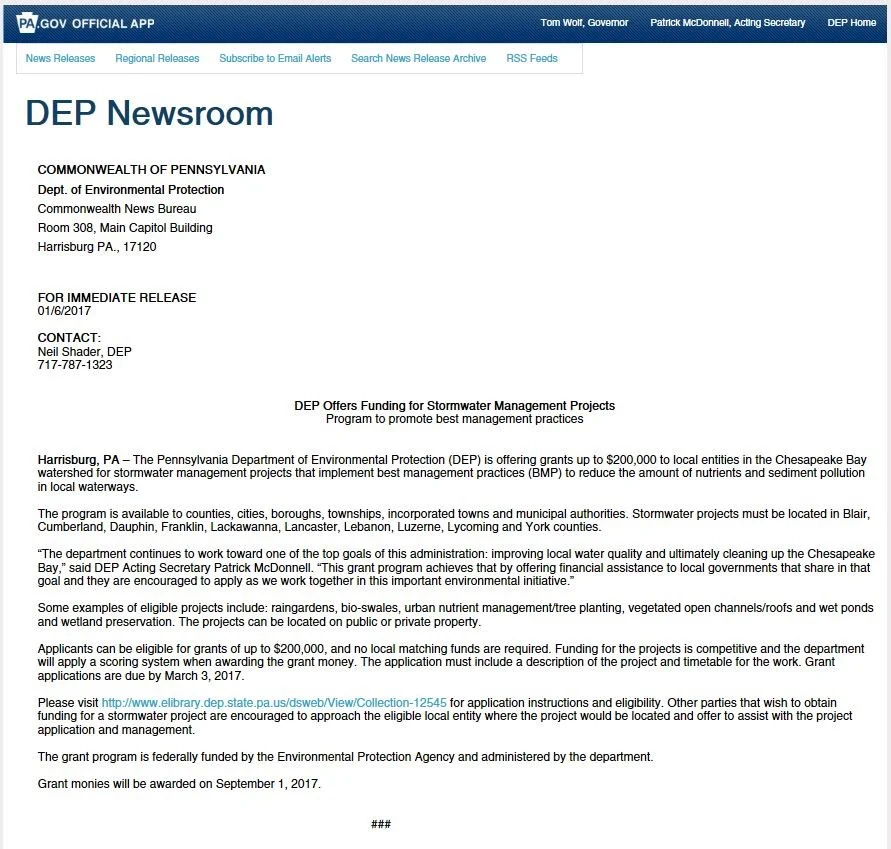
DEP Offers Funding for Stormwater Management Programs
The Pennsylvania Department of Environmental Protection (DEP) is offering grants up to $200,000 to local entities in the Chesapeake Bay watershed for stormwater management projects that implement best management practices (BMP) to reduce the amount of nutrients and sediment pollution in local waterways.

DOWNLOAD ARTICLE
Harrisburg, PA – The Pennsylvania Department of Environmental Protection (DEP) is offering grants up to $200,000 to local entities in the Chesapeake Bay watershed for stormwater management projects that implement best management practices (BMP) to reduce the amount of nutrients and sediment pollution in local waterways.
The program is available to counties, cities, boroughs, townships, incorporated towns and municipal authorities. Stormwater projects must be located in Blair, Cumberland, Dauphin, Franklin, Lackawanna, Lancaster, Lebanon, Luzerne, Lycoming and York counties.
“The department continues to work toward one of the top goals of this administration: improving local water quality and ultimately cleaning up the Chesapeake Bay,” said DEP Acting Secretary Patrick McDonnell. “This grant program achieves that by offering financial assistance to local governments that share in that goal and they are encouraged to apply as we work together in this important environmental initiative.”
Some examples of eligible projects include: raingardens, bio-swales, urban nutrient management/tree planting, vegetated open channels/roofs and wet ponds and wetland preservation. The projects can be located on public or private property.
Applicants can be eligible for grants of up to $200,000, and no local matching funds are required. Funding for the projects is competitive and the department will apply a scoring system when awarding the grant money. The application must include a description of the project and timetable for the work. Grant applications are due by March 3, 2017.
Please visit http://www.elibrary.dep.state.pa.us/dsweb/View/Collection-12545 for application instructions and eligibility. Other parties that wish to obtain funding for a stormwater project are encouraged to approach the eligible local entity where the project would be located and offer to assist with the project application and management.
The grant program is federally funded by the Environmental Protection Agency and administered by the department.
Grant monies will be awarded on September 1, 2017.
FOR MORE INFORMATION: Mark Stabolepszy, PE Director Municipal Engineering and Planning

2016 Maryland Groundwater Symposium
Tackling Hydrogeologic Complexity
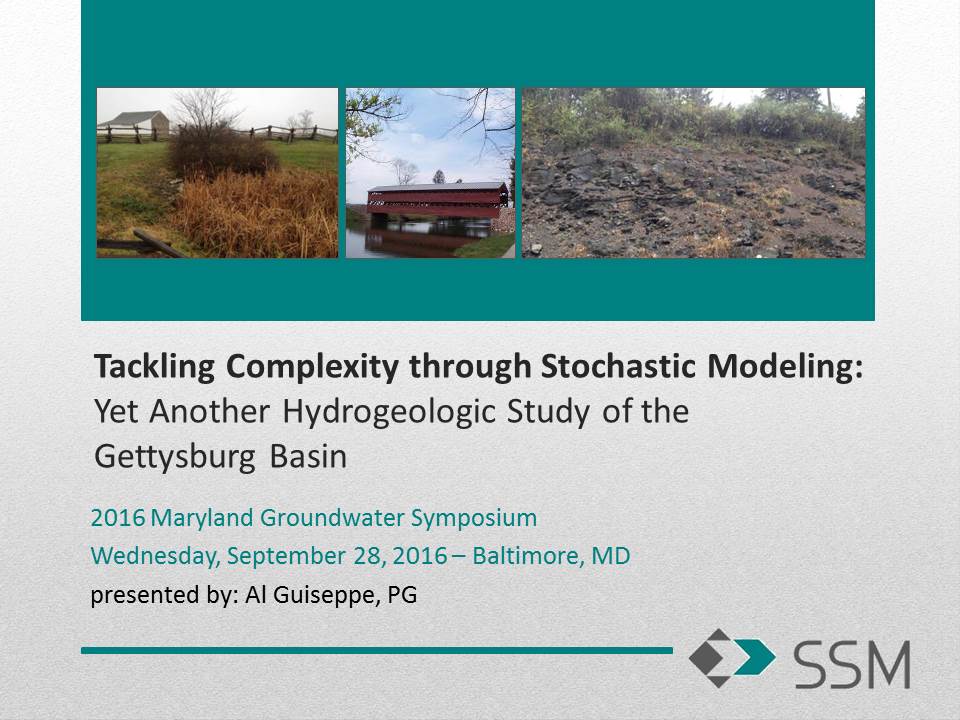
Tackling Complexity through Stochastic Modeling
Yet Another Hydrogeologic Study of the Gettysburg Basin
Tackling Hydrogeologic Complexity
- Intermediate-scale geologic features exert a large influence on the groundwater flow patterns.
- Suspected seasonal reversals of groundwater flow direction complicate the groundwater flow regime mapping.
- Stochastic modeling techniques were employed to frame the unquantified variations inherent within this unique hydrogeologic system.
- Source water protection zones were generated by aggregating thousands of flow simulations that meet observed criterion ranges.
FOR MORE INFORMATION: Al Guiseppe, PG, Director Water Supply and Development

Source Water Plan Updates
If your source water protection plan was developed four or more years ago, new tools and technology can improve your plan and make a positive impact on source water protection.

Over the last 10 years, many community water systems participated in various source water protection programs offered by the PA Department of Environmental Protection.
These programs provided free technical assistance for a rigorous delineation of multiple water sources, identification of potential sources of contamination, and the development of a professional plan to address water quality issues. As these plans become older, many aspects of the plan become outdated or not applicable to current practices. If your plan was developed four or more years ago, new tools and technology can improve your plan and make a positive impact on source water protection.
SSM offers a menu of services that keeps your Source Water Protection Plan relevant to your system’s present needs. By using technology advances such as improved Geographic Information Systems (GIS) capability and new publicly-available information, your plan can be on the cutting edge of protection strategies.
- Enhanced groundwater and surface water computer modeling. Is there a particular concern in your area? SSM can use your plan delineation to model flow from a particular operation, or use a more rigorous computer model to track specific contaminants to your water sources.
- Review and update potential sources of contamination (PSOC) inventory. PSOCs can change quickly. Using updated databases, we will help you identify and analyze important changes in PSOCs that may affect your water sources.
- Resource extraction mapping for oil & gas wells and mining areas. SSM can research unconventional well development in your area for the best protection of your groundwater sources.
- Land-use analysis. Current sources of information can help map existing non-point source activities in your protection zones, such as residential, agriculture, and industrial areas.
- Review and add management options that update your system’s strategies for protecting your water sources. Management strategies should be evaluated regularly to ensure they are effective in protecting your water sources.
- Reinvigorate your steering committee. SSM can assist with organizing and conducting strategy meetings that brings new ideas and partners together to improve your plan.
- Contingency planning. After the January 2014 contamination incident in the Elk River and other events , Disaster Planning is the new hot topic. SSM staff can help develop partnerships with emergency responders and early warning networks through training and GIS assistance.
- Update your plan components. SSM can write an addendum to your existing plan, bringing all of your priorities and updates together in one, concise report.
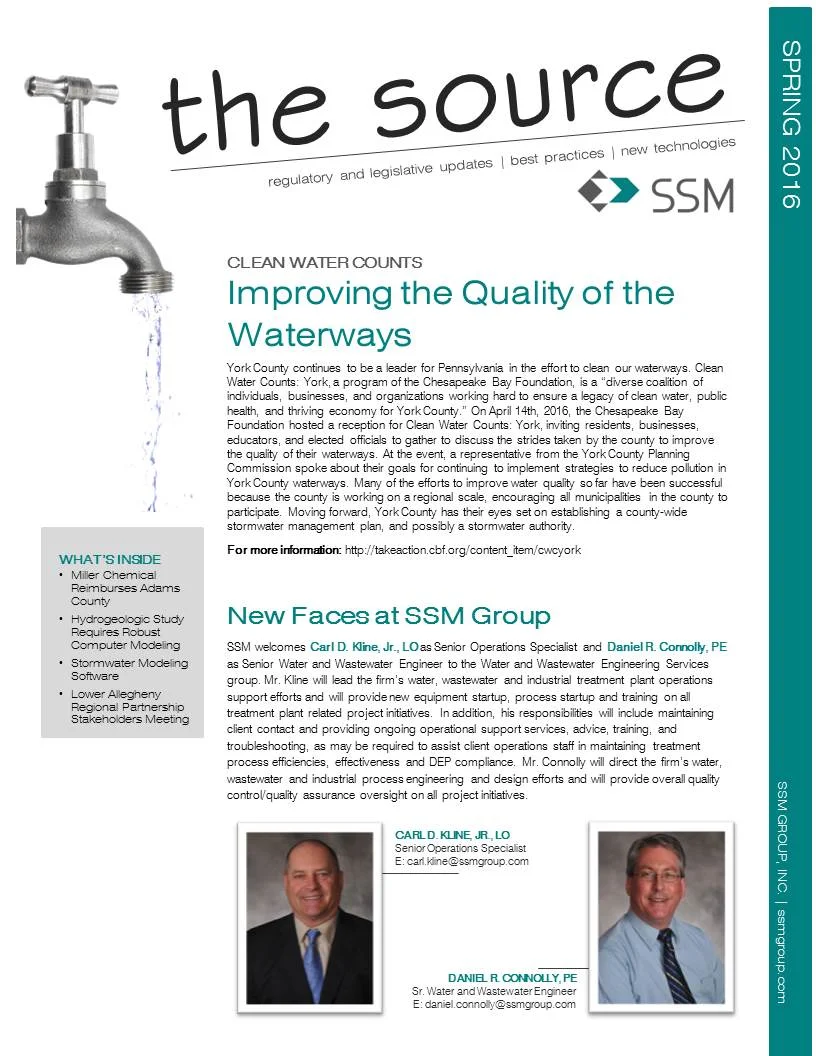
The Source - Spring 2016
regulatory and legislative updates, best practices, and new technologies for source water protection
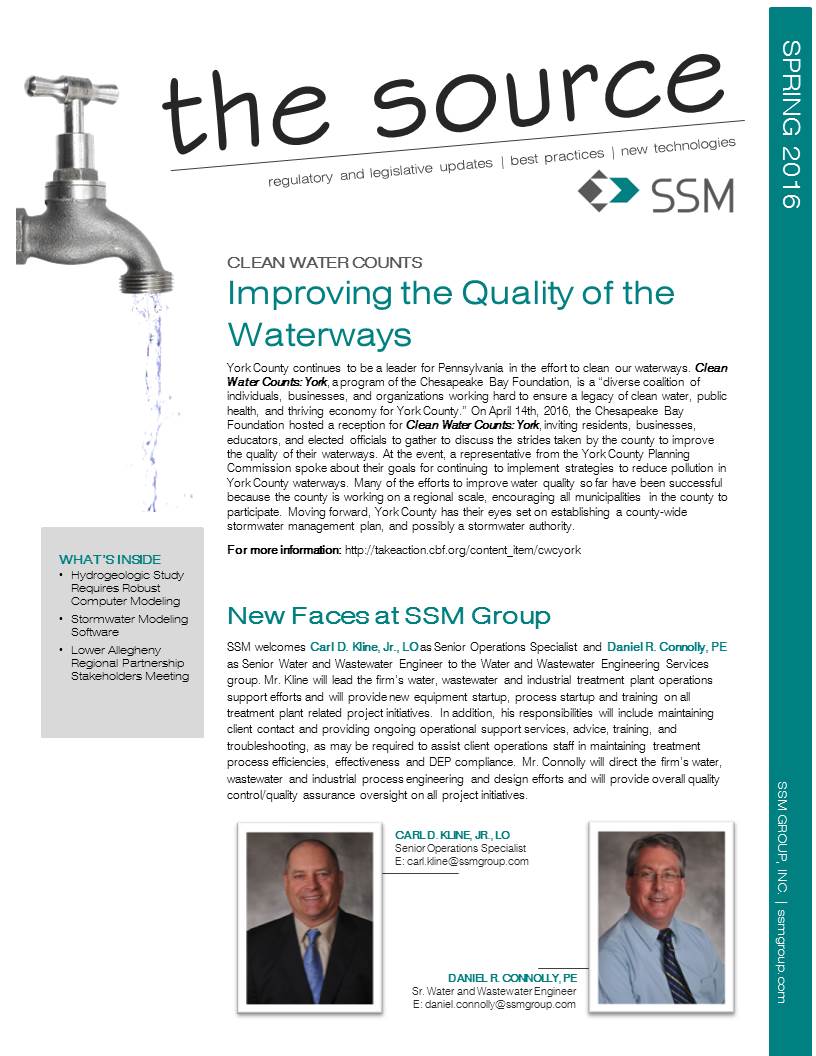
regulatory and legislative updates, best practices, and new technologies.
What's Inside this Issue
- Hydrogeologic Study Requires Robust Computer Modeling
- Stormwater Modeling Software
- Lower Allegheny Regional Partnership Stakeholders Meeting

2016 PA Groundwater Symposium
Tackling Complexity through Stochastic Modeling
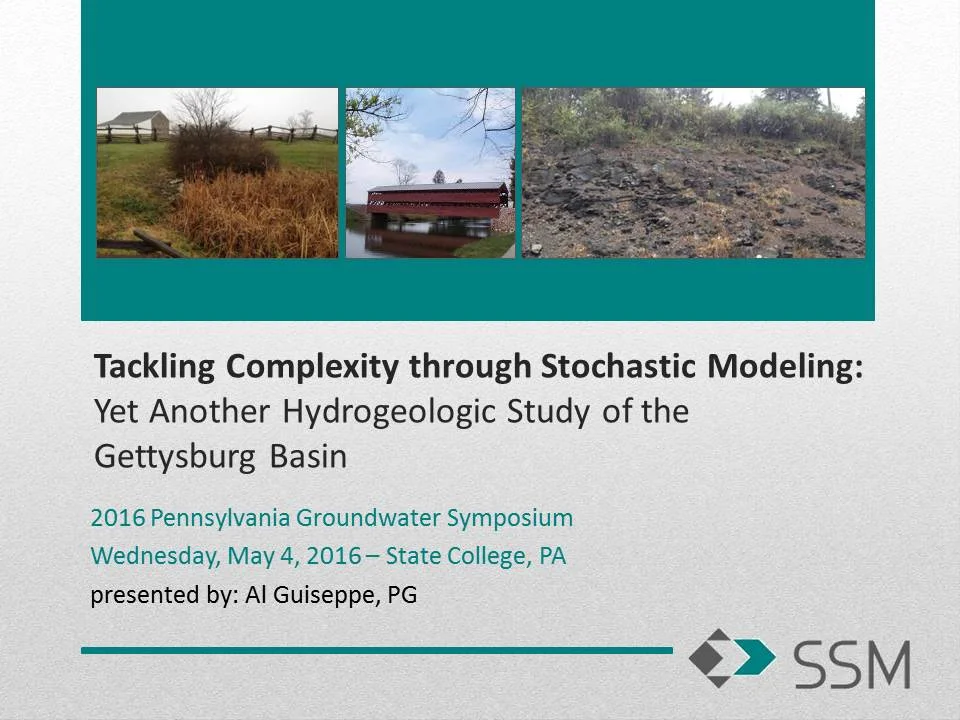
Tackling Complexity through Stochastic Modeling
A Hydrogeologic Study of the Gettysburg Basin
Tackling Hydrogeologic Complexity
Intermediate-scale geologic features exert a large influence on the groundwater flow patterns.
Suspected seasonal reversals of groundwater flow direction complicate the groundwater flow regime mapping.
Stochastic modeling techniques were employed to frame the unquantified variations inherent within this unique hydrogeologic system.
Source water protection zones were generated by aggregating thousands of flow simulations that meet observed criterion ranges.
FOR MORE INFORMATION:
Alfred Guiseppe, PG, Director Water Supply and Development
DOWNLOAD PRESENTATION HANDOUTS
2016 PA Groundwater Symposium: In celebration of National Drinking Water Week, Penn State Extension and the Pennsylvania Department of Environmental Protection along with numerous other sponsors presented the 2016 Pennsylvania Groundwater Symposium at the Ramada Inn Conference Center in State College, PA The Symposium theme, The Changing Climate of Groundwater, provided a forum for researchers, students, professionals and educators working in the groundwater field to exchange information and promote protection of groundwater resources throughout the state.
SSM Group, Inc. Announces Management Changes - Brian Kelly named President and CEO

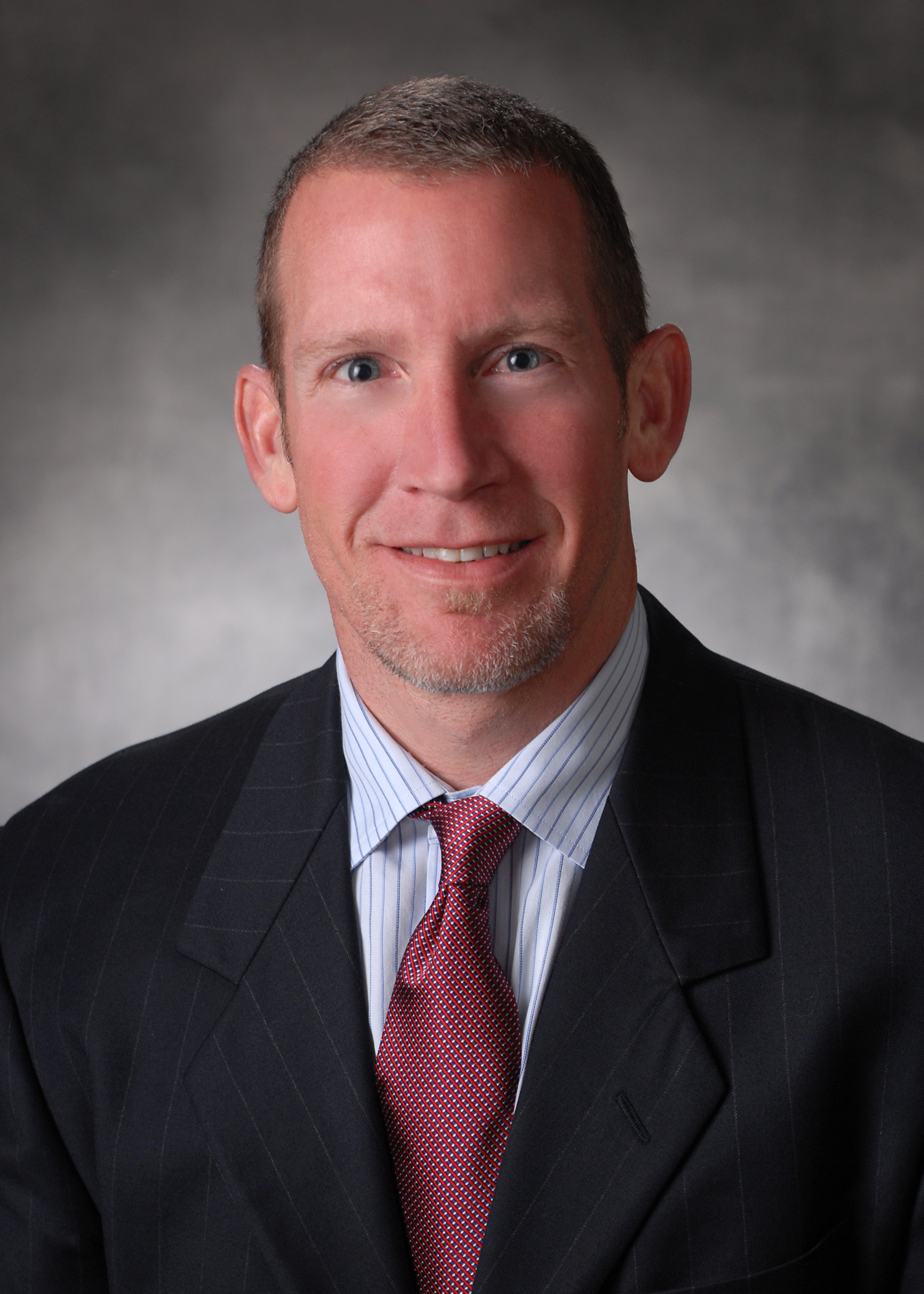

SSM Group, Inc. recently announced a corporate management restructure. Brian R. Kelly has been named President and Chief Executive Officer of the firm. Kelly, who formerly served as the company’s Executive Vice President with responsibility of running the firm’s operations, replaces J. Carlton Godlove, II, who has left the company to pursue other interests.
Kelly is one of four McCoy family members who assumed control and management of the firm in 1996. Kelly has an Associate Degree in Mechanical Engineering Technology from The Pennsylvania State University. Prior to joining the SSM management team, Kelly was employed at AT&T for more than 17 years in various roles. Kelly resides in Reading with his wife, Kay McCoy Kelly, who is a daughter of the company’s founder, Lewis J. McCoy, Sr. In a prepared statement, Kelly said, “I look forward to leading the company as we embark upon strategic growth and expansion. I am very proud of our exceptionally talented senior leadership team and all of our employees, and I am confident that, with their help and support, we will continue to grow the company and succeed at fulfilling our corporate mission – ‘Enhancing the quality of life for our clients, our employees, and all of the people touched by our work.’ Our work is so important because it touches this generation and future generations with a scope broader than we can imagine – and it leaves a legacy that will live far beyond us.”
“Approximately six months ago we appointed a team of independent professionals to work with us as members of an Advisory Board: Thomas A. Beaver, CPA, former managing partner at RKL; Patricia L. Langiotti, President of Creative Management Concepts; and Mike Shor, former executive with Carpenter. These Advisory Board members have played a key role in helping us plan for our future,” Kelly said.
Kelly also announced that shareholder, Patrick M. McCoy, PE, has been promoted to Executive Vice President. “Patrick will lead the company’s business development and sales and marketing efforts and he will be a strong right-hand man,” Kelly said. Patrick McCoy has been with the firm since 1996. He graduated from Drexel University, like his father, and holds Bachelor’s degrees in Civil Engineering and Architectural Engineering. McCoy formerly led the company’s Facilities and Site Engineering Division which provides services to worldwide companies such as IBM. Prior to joining SSM, he was with Ortega Consulting, Media, PA, and Gredell & Associates, Wilmington, DE.
Shareholder Lewis J. (Lou) McCoy, Jr. of Reading, who joined the firm in 1985, will continue in his role as Director of Human Resources.
Catherine (Kitty) Bell, who joined the firm in 2004, is being promoted to Divisional Vice President. Formerly the firm’s Vice President of Facility Engineering, she assumes an expanded role, with additional management responsibility for Site Engineering and Survey and Data Capture disciplines (formerly managed by Patrick McCoy). Bell resides in Reading, PA.
SSM Group, Inc. is an engineering and consulting firm founded by Lewis J. McCoy, Sr. in 1967. The company continues to be family owned and operated. Headquartered at 1047 North Park Road in Wyomissing with satellite offices in Harrisburg and the Lehigh Valley, SSM has just under 100 employees and provides services to various types of local, regional and national businesses that include commercial, industrial, manufacturing and telecommunications as well as healthcare and higher education institutions. The company also provides services to numerous local, regional, and county government entities. While the company’s primary market is a regional footprint including Berks County and the Lehigh Valley, SSM serves clients throughout PA and the Northeastern United States as well as to some international clients.
FOR MORE INFORMATION:
Brian Kelly, President and CEO
brian.kelly@ssmgroup.com | P: 610-621-2000
Aaron Pysher, GIT Joins SSM Group

SSM welcomes Aaron Pysher, GIT as Graduate Geologist. Aaron is a Geologist-In-Training (GIT) responsible for field and technical support of various water resources projects including public water supply development, infiltration testing, sinkhole investigations, and groundwater modeling and analysis. He received his BS in Professional Geology from Bloomsburg University of Pennsylvania
The Source - November 2015

Regulatory and legislative updates, best practices, and new technologies.
WHAT’S INSIDE
- Unassessed Waters Project Successful in Berks County
- Strategies for Successful Implementation
- Consider the Source Campaign
- New Faces in Sourcewater Protection
- Good Water = Good Life
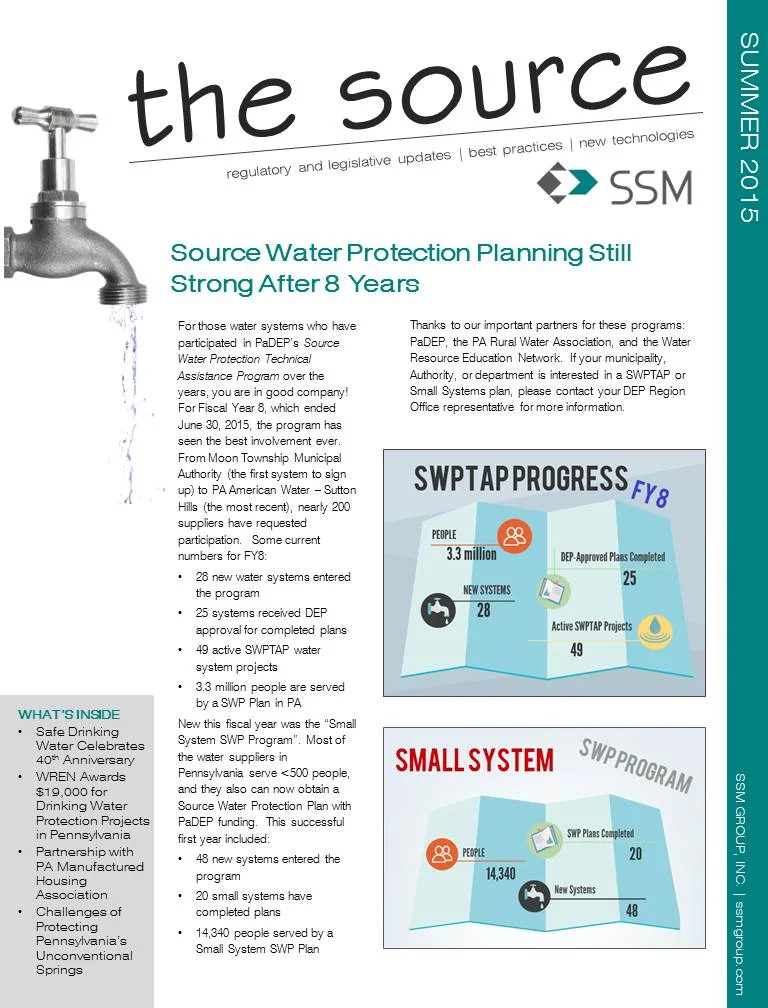
The Source - July 2015
July 2015 Inside this Issue:
- Safe Drinking Water Celebrates 40th Anniversary
- WREN Awards $19,000 for Drinking Water Protection Projects in Pennsylvania
- Partnership with PA Manufactured Housing Association
- Challenges of Protecting Pennsylvania’s Unconventional Springs
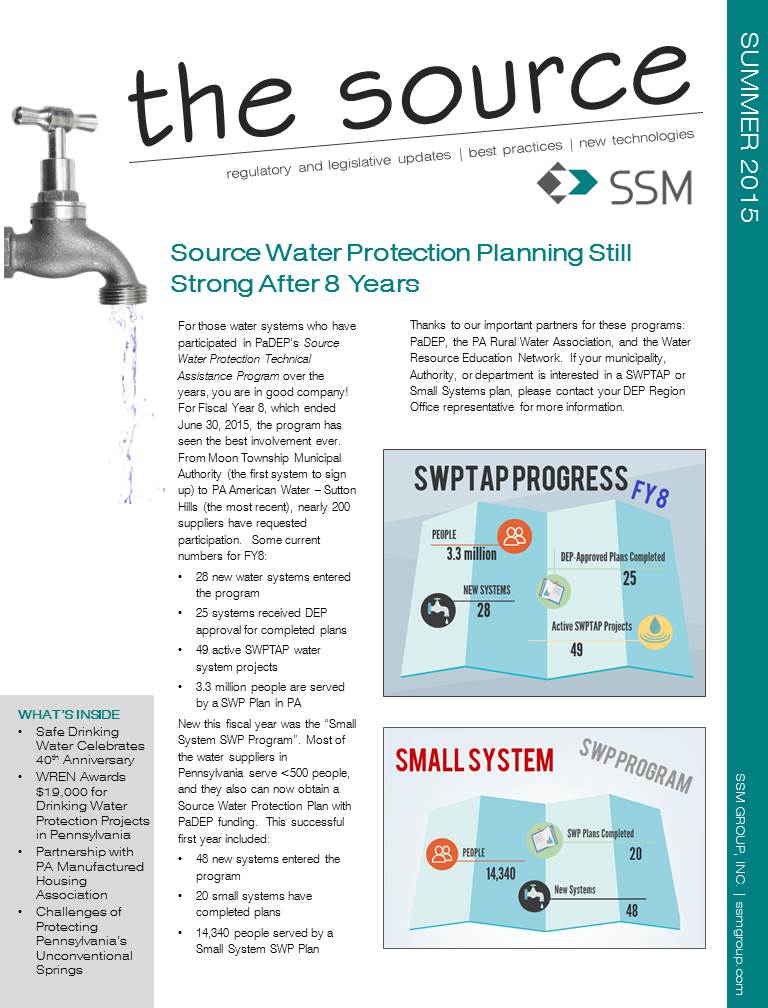
JULY 2015 | The Source
Regulatory and legislative updates, best practices, and new technologies.
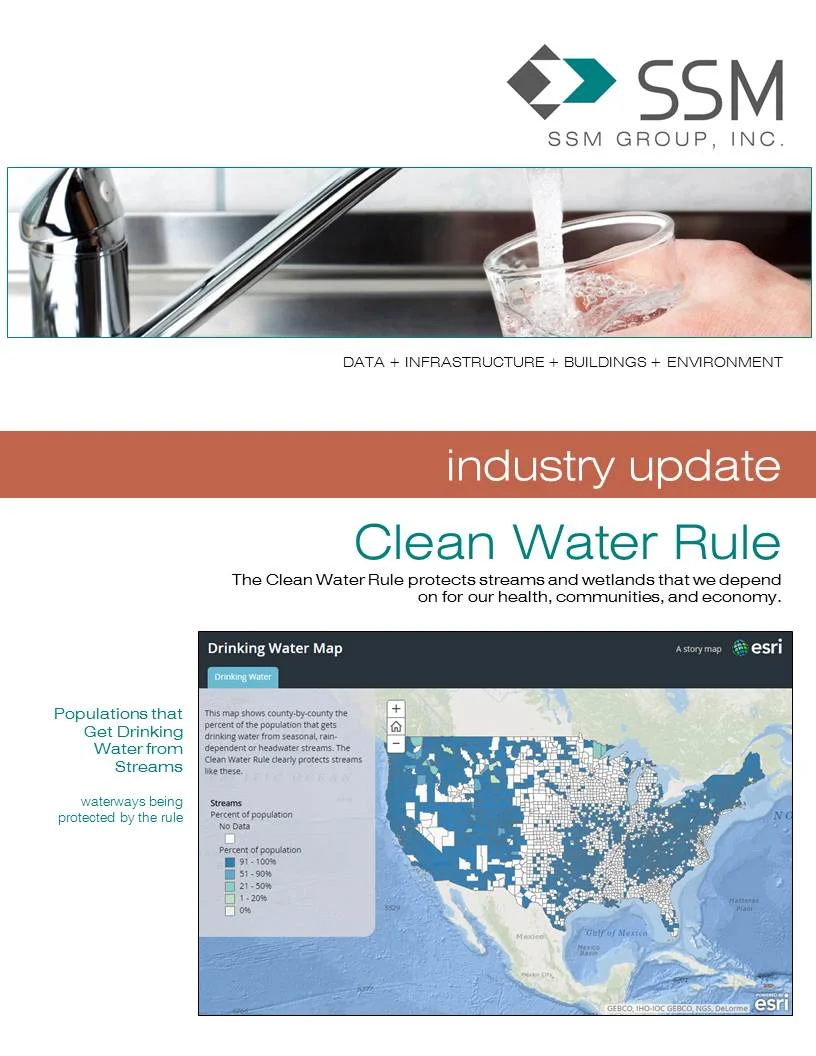
Clean Water Rule
The Clean Water Rule protects streams and wetlands that we depend on for our health, communities, and economy.

INDUSTRY UPDATE: Clean Water Rule

There’s been much buzz surrounding the Clean Water Rule, recently issued by the U.S. Environmental Protection Agency and U.S. Army Corps of Engineers. While the rule aims to clarify permitting regulations already in place with the Clean Water Act of 1972, many are worried it will create new stringent and burdensome regulations. Sixteen states have filed lawsuits against the U.S. Environmental Protection Agency over the rule. In an attempt to protect streams and wetlands, the Clean Water Rule simply enhances the Clean Water Act, responding to more than a decade’s worth of requests to more clearly define the water bodies and waterways referenced in the Clean Water Act.
According to the U.S. Environmental Protection Agency, clarification of the definitions of the waters protected by the Clean Water Act, will protect valuable water resources and help make permitting less costly, easier, and faster for business and industry. This is because it eliminates much confusion over which waterways are regulated, and how they are to be regulated. This reduces the time and resources required to submit and approve a permit. While environmental groups and some businesses support the rule, claiming the clean water is central their operations, other interests have mounted opposition to the rule, citing it as an example of burdensome federal overreach.
The Clean Water Rule is the result of more than 400 meetings with stakeholders from all over the country, over 1 million public comments, and the latest scientific research showing that the health of small tributaries and wetlands play an integral role in the health of larger, downstream bodies of water. By ensuring that our smaller tributaries and wetlands are covered by Clean Water Rule, the drinking water sources of more than 117 million Americans will now be protected that may not have had sufficient coverage under the Clean Water Act alone.
Only types of waters already addressed by the Clean Water Act are included in the Clean Water Rule, which does not create any new permitting requirements for agriculture. It also maintains all previous exemptions and exclusions, including activities like planting, harvesting, and moving livestock. The rule does not regulate most ditches, groundwater, shallow subsurface flows, or tile drains, and only requires a Clean Water Act permit if a protected water is going to be polluted or destroyed by an activity. Moreover, the rule does not place regulations on land use.
Not only is the rule important for the health of the surface water sources we utilize for drinking water, the water ways protected by this rule are beneficial to many aspects of our communities. Wetlands and streams trap floodwaters, recharge groundwater supplies, filter pollution, provide habitat for fish and wildlife, and are important for recreation and commercial value.
FOR MORE INFORMATION
Alfred Guiseppe, PG

Katie Baltzley joins SSM Group, Inc.
Katie Baltzley joins SSM Group, Inc.

SSM Group, Inc., a multi-disciplined engineering and consulting firm based in Reading PA, welcomes Katie Baltzley as a GIS Technician in the Water Resources Department. Baltzley will be responsible for creating and managing GIS data in support of a variety of environmental, municipal, and industrial projects including producing maps and customized GIS applications for our Water Resources, Source Water Protection, and Comprehensive Planning projects. She received her BA degree in Geography from Millersville University.
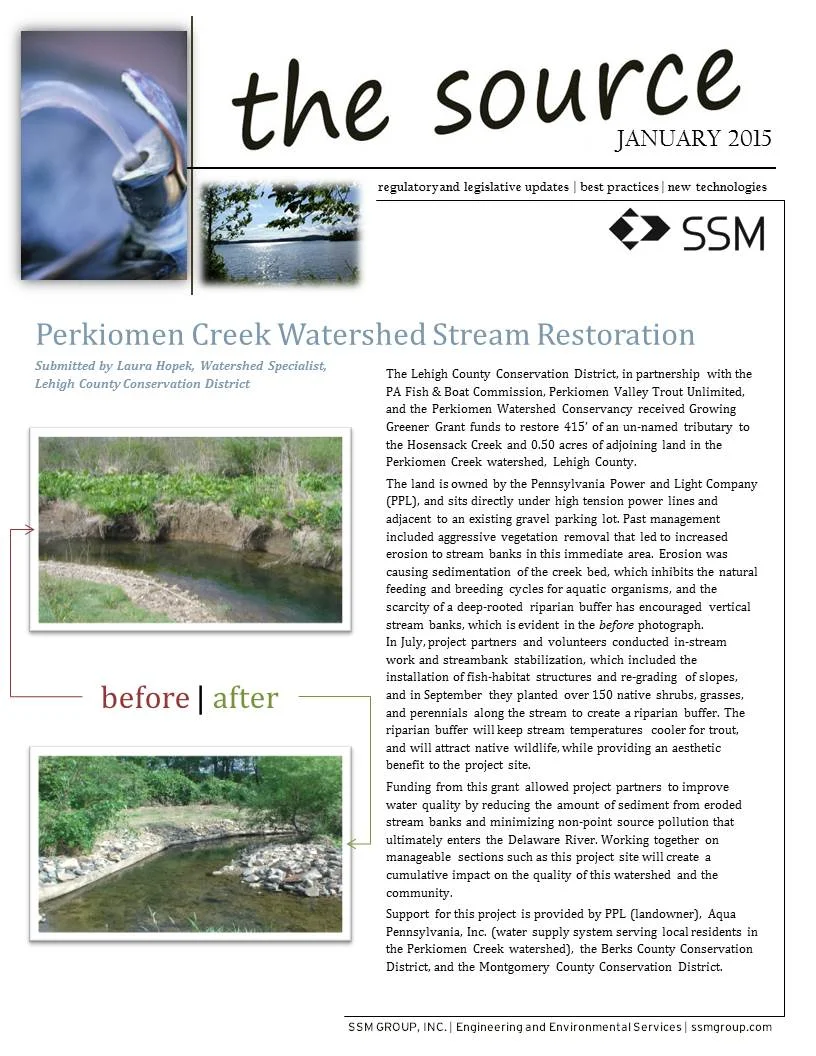
the Source - January 2015
Source Water Protection News: regulatory and legislative updates, best practices, new technologies
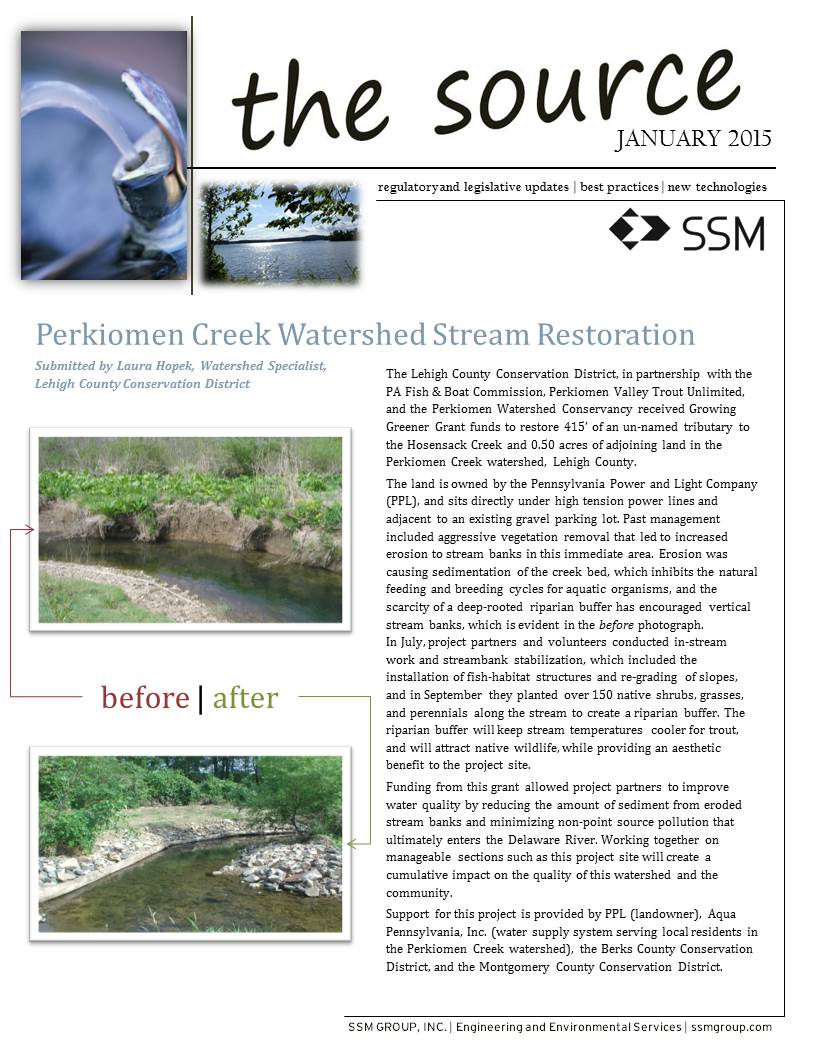
Source Water Protection News
Regulatory and legislative updates, best practices, and new technologies.
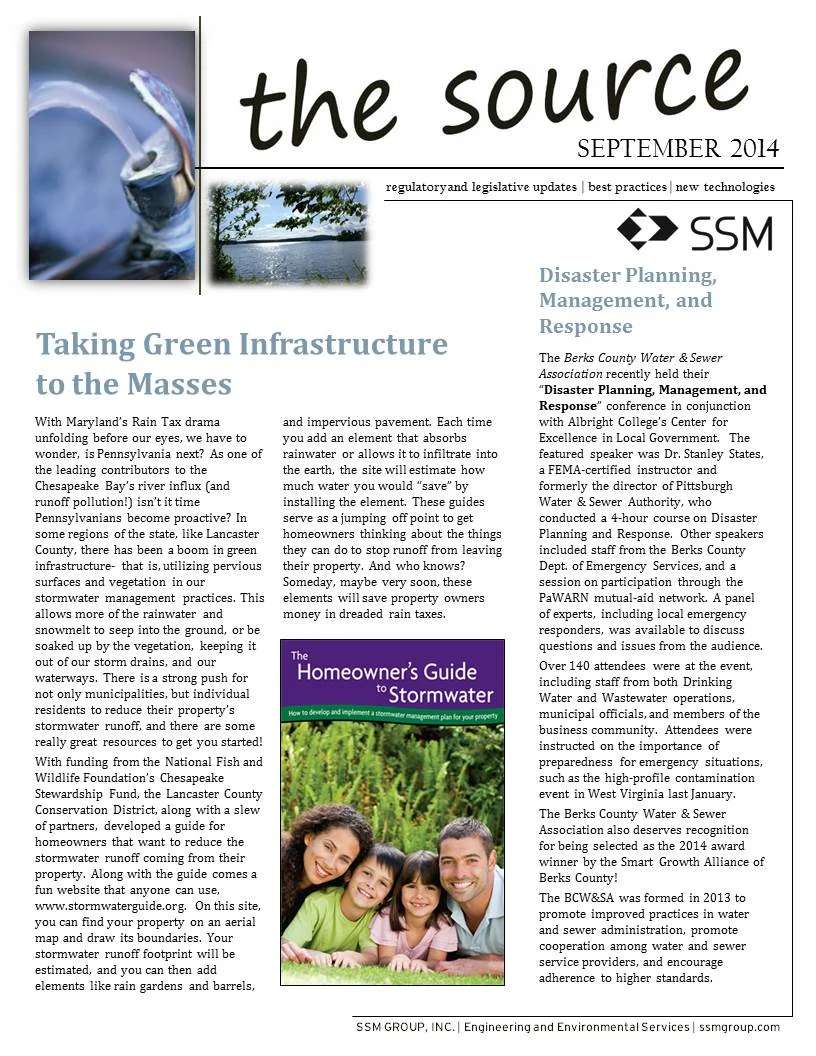
the Source - September 2014
Regulatory and legislative updates, best practices, and new technologies.

Source Water Protection News
Regulatory and legislative updates, best practices, and new technologies.
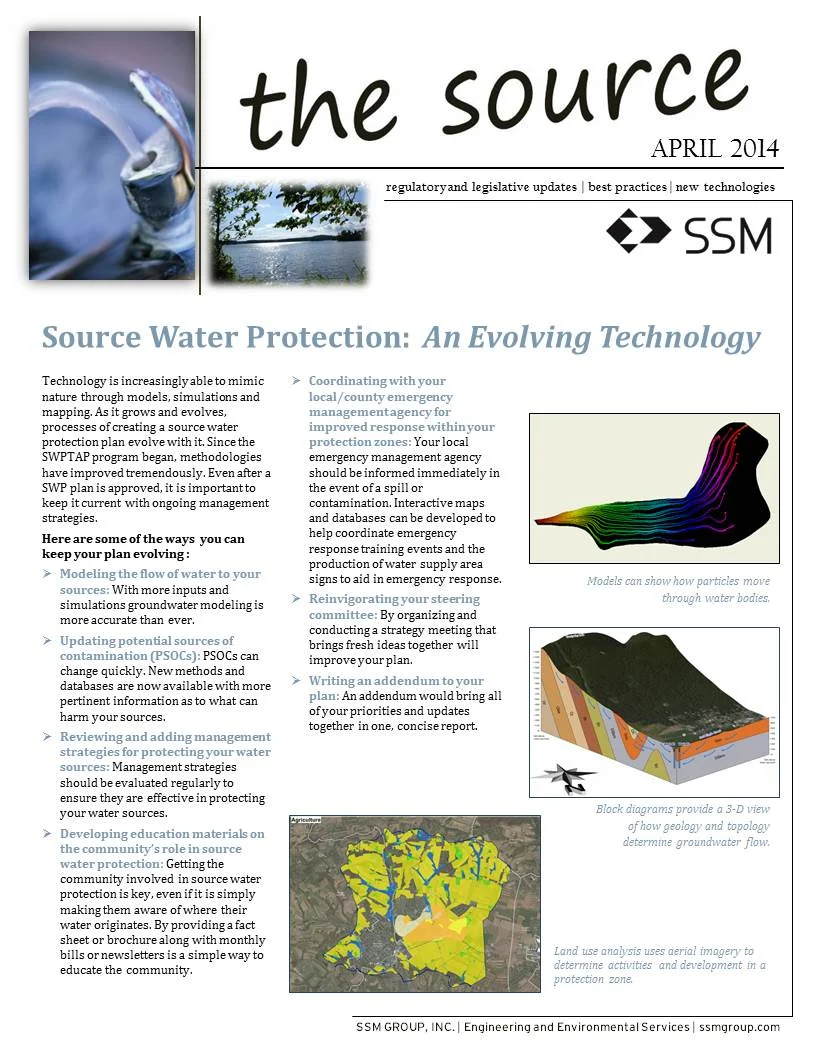
the Source - April 2014
Regulatory and legislative updates, best practices, and new technologies.

Source Water Protection News
Regulatory and legislative updates, best practices, and new technologies.
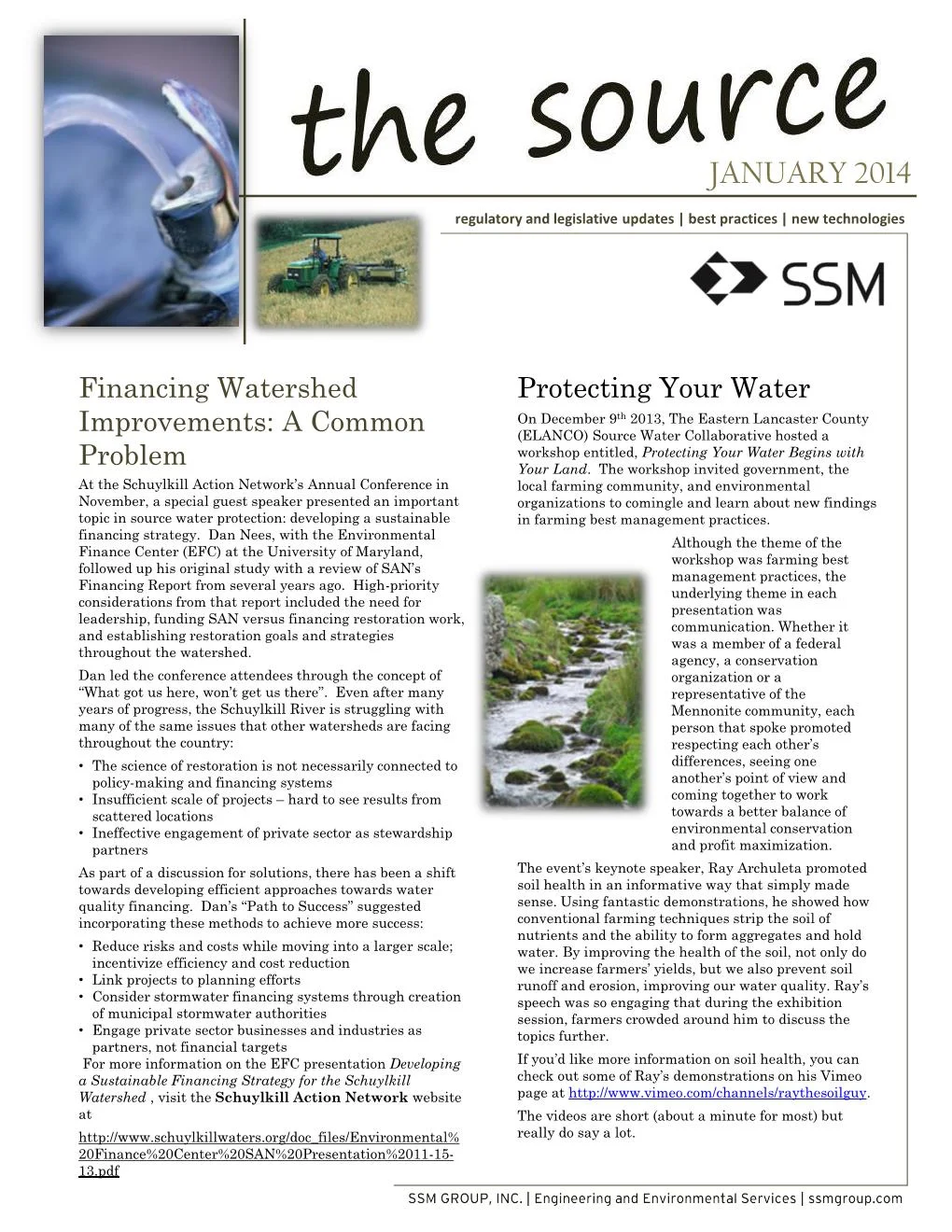
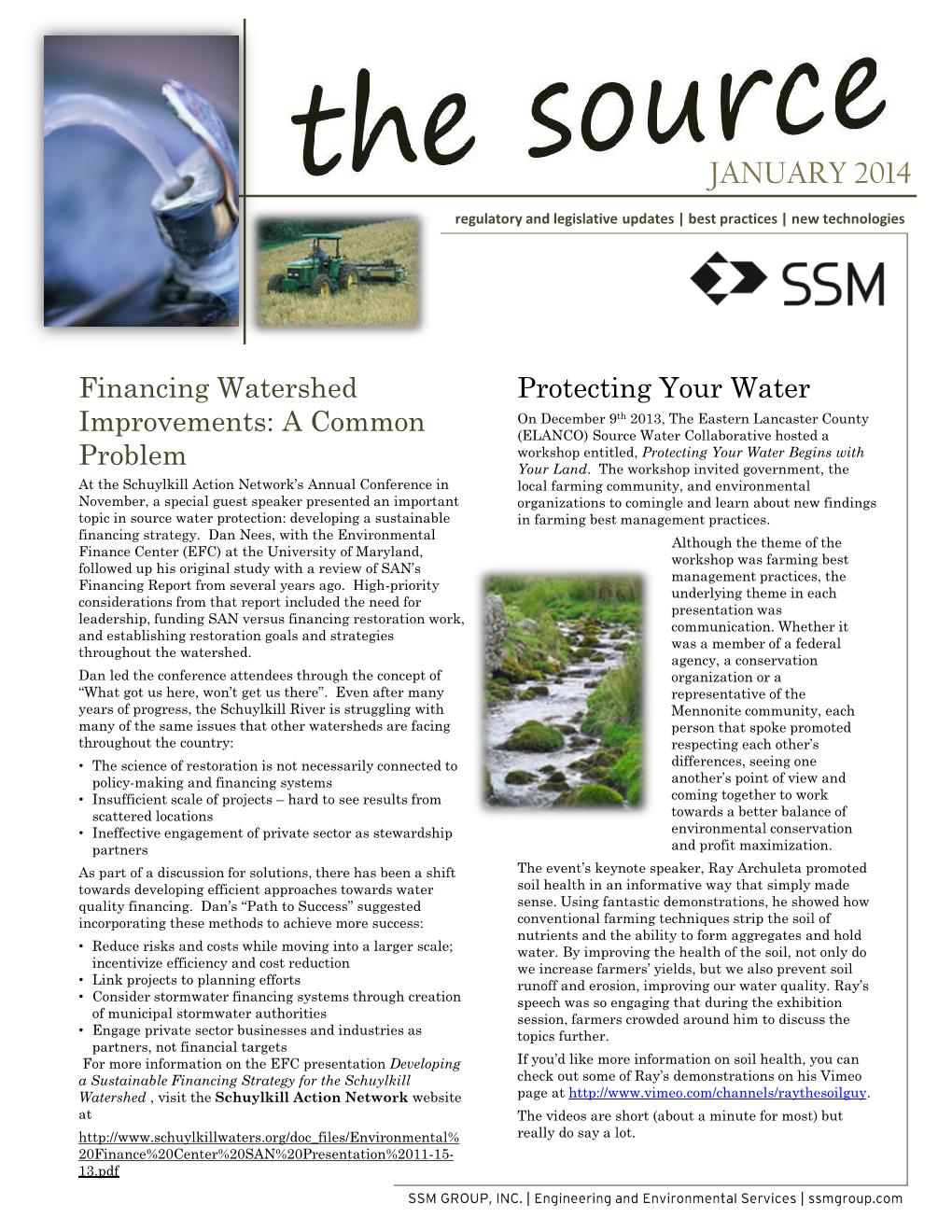
the Source - January 2014
Regulatory and legislative updates, best practices, and new technologies.
Source Water Protection News
Regulatory and legislative updates, best practices, and new technologies.
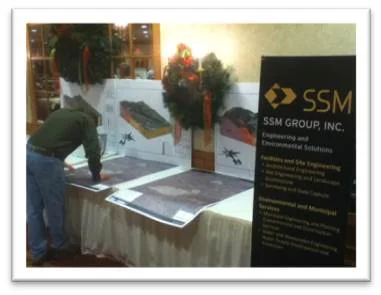
Protecting your water begins with your land
The Eastern Lancaster County (ELANCO) Source Water Collaborative hosted a workshop entitled, Protecting Your Water Begins with Your Land. The workshop invited government, the local farming community, and environmental organizations to comingle and learn about new findings in farming best management practices.

Elanco Source water collaborative
ELANCO Source Water Collaborative
The Eastern Lancaster County (ELANCO) Source Water Collaborative hosted a workshop entitled, Protecting Your Water Begins with Your Land. The workshop invited government, the local farming community, and environmental organizations to co-mingle and learn about new findings in farming best management practices.
Although the theme of the workshop was farming best management practices, the underlying theme in each presentation was communication. Whether it was a member of a federal agency, a conservation organization or a representative of the Mennonite community, each person that spoke promoted respecting differences, seeing from all points of view and coming together to work towards a better balance of environmental conservation and profit maximization.
The event’s keynote speaker, Ray Archuleta promoted soil health in an informative way that simply made sense. Using fantastic demonstrations, he showed how conventional farming techniques strip the soil of nutrients and the ability to form aggregates and hold water. By improving the health of the soil, not only do we increase farmers’ yields, but we also prevent soil runoff and erosion, improving our water quality. Ray’s speech was so engaging that during the exhibition session, farmers crowded around him to discuss the topics further.
The workshop was an eye opener, not only for the community, who was there to learn about, or possibly criticize, the suggestions the workshop was providing, but to the educators, environmental activists, vendors and agency workers. No one in the room expected such a successful workshop and for so many different people to get along so wonderfully. It really inspired hope that we can work together on these critical issues.
If you’d like more information on soil health, you can check out some of Ray’s demonstrations on his Vimeo page at http://www.vimeo.com/channels/raythesoilguy.
The videos are short (about a minute for most) but really do say a lot.