

Chemical Safety in Water/Wastewater Treatment Facilities
SE AWWA - Chemical Safety session provides participants with recommendations on conducting Safety Planning and Hazard Communication activities.

SE AWWA Fall Conference
Darryl Jenkins, PE | Vice President Civil and Environmental Engineering presents 'Chemical Safety in Water and Wastewater Treatment Facilities' providing participants with recommendations on conducting Safety Planning and Hazard Communication activities.

Chemical Handling
Recommendations on conducting Safety Planning and Hazard Communication activities.
Berks County Water and Sewer Association Annual Conference
Darryl Jenkins, PE | Vice President Civil and Environmental Engineering presents 'Chemical Safety in Water and Wastewater Treatment Facilities' providing participants with recommendations on conducting Safety Planning and Hazard Communication activities.


2017 PennTec Conference
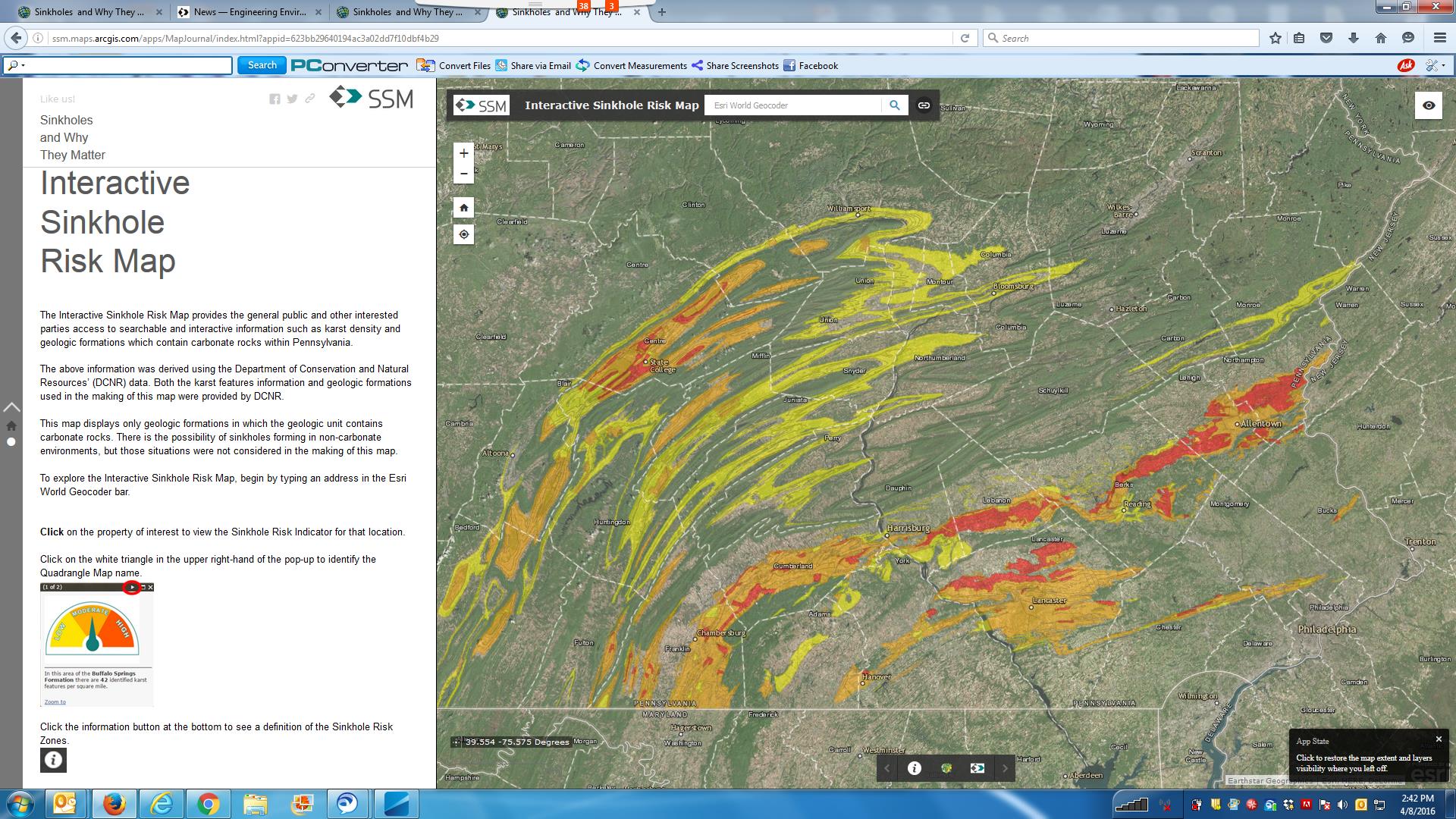
Real-world water/wastewater system examples that use online GIS applications to transform infrastructure data into an easy-to-use operations asset management system.

Online GIS Applications and Asset Management
This presentation provides real-world water/wastewater system examples that use online GIS applications to transform their infrastructure data into an easy-to-use operations asset management system. This low-cost approach captures vital data within a secure geo-spatial database. By creating customized mobile web applications, field-critical data (material description, installation date, inspection reports and service history) is available when needed most and accessible to operators in the office or in the field.
2017 PA-AWWA Conference
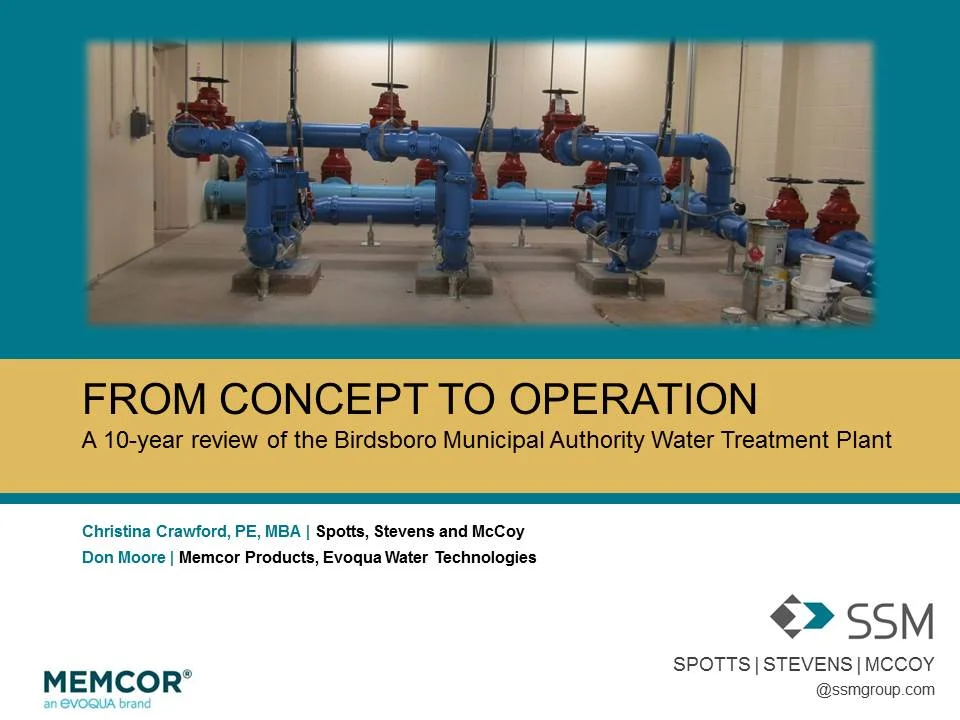
Overview of the timeline, regulatory requirements, construction and operation of the the Water Treatment Plant.

From Concept to Operation: A 10-year review of the Birdsboro Municipal Authority Water Treatment Plant
In 2007 the Birdsboro Municipal Authority began evaluating the need for a new Water Treatment Plant as their existing 1.0 mgd traveling bridge filter plant was starting to show signs of potential failure. The Authority worked through a feasibility/conceptual study, prepared a pilot protocol, performed the pilot and submitted a pilot report. The Authority then moved into design, construction and operation of the membrane filtration plant. This presentation will review the timeline, regulatory requirements, construction and operation of the WTP. The presentation will provide an overview of the process by the engineer and membrane manufacturer
Presenters:
Christina Crawford, PE, MBA | Spotts, Stevens and McCoy | Ms. Crawford has over 16 years’ experience in environmental engineering. Her responsibilities include client management, client retention, water and wastewater design, design specifications, cost opinions, municipal rate evaluations and review of developer plans. Ms. Crawford also assists clients with identifying sources for project funding utilizing Pennvest and other loan/grant programs, and provides assistance to clients during construction for the disbursement of funds and for project close-out. Ms. Crawford has a Master’s Business Administration from Villanova University and BS Environmental Engineering from Old Dominion University. She is a member of the Water Environment Federation, Pennsylvania Water Environment Association (PWEA) and the Young Professionals Chair and Board member for Eastern Pennsylvania Water Pollution Control Operators Association (EPWPCOA).
Don Moore | Evoqua Water Technologies | Don has over 23 years’ experience with water and wastewater membrane systems. He manages the sales and business development process for capital equipment in the US and Canada for the Evoqua Memcor® Membrane Product line. Mr. Moore has a Master’s in Business Administration from Loyola University, MD and a BS in Mechanical Engineering from Virginia Tech. He is a member of the American Membrane Technology Association (AMTA).
Public-Facing Maps: Using GIS as a Community Outreach Tool
Be it road closures, boil water advisories, or utility repairs, public notifications play a vital role in municipal government. Many municipalities have adopted web-based notifications as a way to broadcast information to its citizens.
PSATS 2017 Annual Conference
presented by: Alfred Guiseppe, PG | Director, Water Resources
Overview
Designed to provide attendees with examples of how municipalities across the nation use intuitive, interactive online maps to convey important public information to their community, this session will cover a range of public works topics including public notifications, traffic control, road maintenance, water and wastewater infrastructure improvements, source water protection, potential sources of contamination, stormwater best management practices, and asset management.
Be it road closures, boil water advisories, or utility repairs, public notifications play a vital role in municipal government. Many municipalities have adopted web-based notifications as a way to broadcast information to its citizens. The increased popularity of interactive online maps, like Google Maps, have paved the way for municipalities to employ public-facing maps as a means to push important information to the public. Interactive maps can also serve as a two-way information exchange.
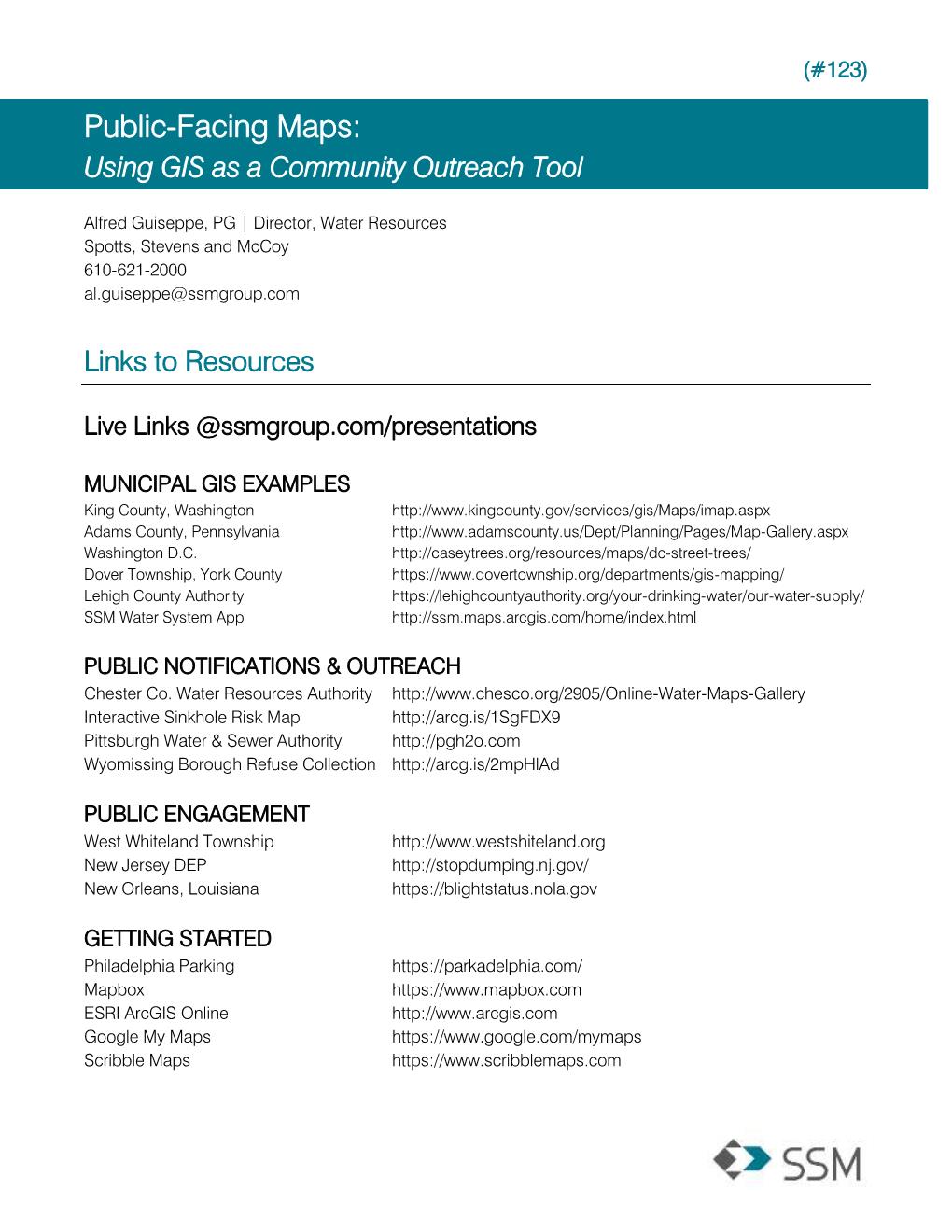
Links to Resources
click on the live links below or Download the Resources Sheet
MUNICIPAL GIS EXAMPLES
PUBLIC NOTIFICATIONS & OUTREACH
Chester Co. Water Resources Authority
Pittsburgh Water & Sewer Authority
Wyomissing Borough Refuse Collection
PUBLIC ENGAGEMENT
GETTING STARTED
2017 PA Rural Water Association Annual Conference
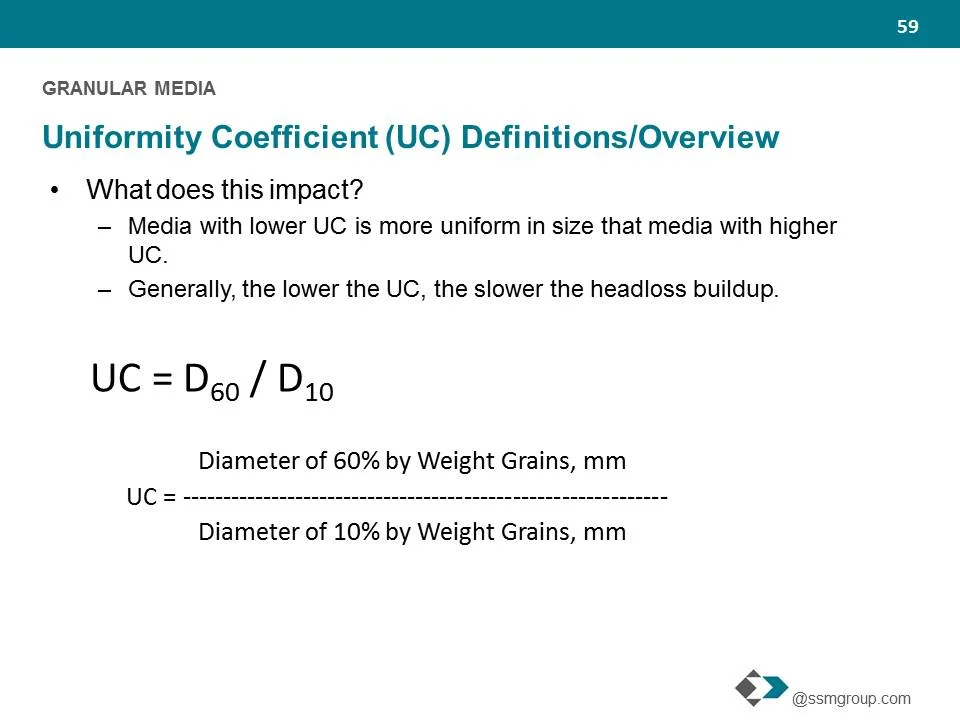
Filtration Operations and Optimization
Treating your Water/Wastewater Operation Like a Business
Treating your Water or Wastewater Operations Like a Business
FOR MORE INFORMATION: Darryl Jenkins, PE

Saucony Watershed Restoration: Groundwater Evaluation
Safe drinking water begins at the source.

VIEW THE PRESENTATION
Green Valley Watershed Association February 2017 Meeting
Sharing management strategies for optimum performance of stormwater Best Management Practices.
FOR MORE INFORMATION: Eric Grindrod, PG, Senior Geologist

2016 Maryland Groundwater Symposium
Tackling Hydrogeologic Complexity
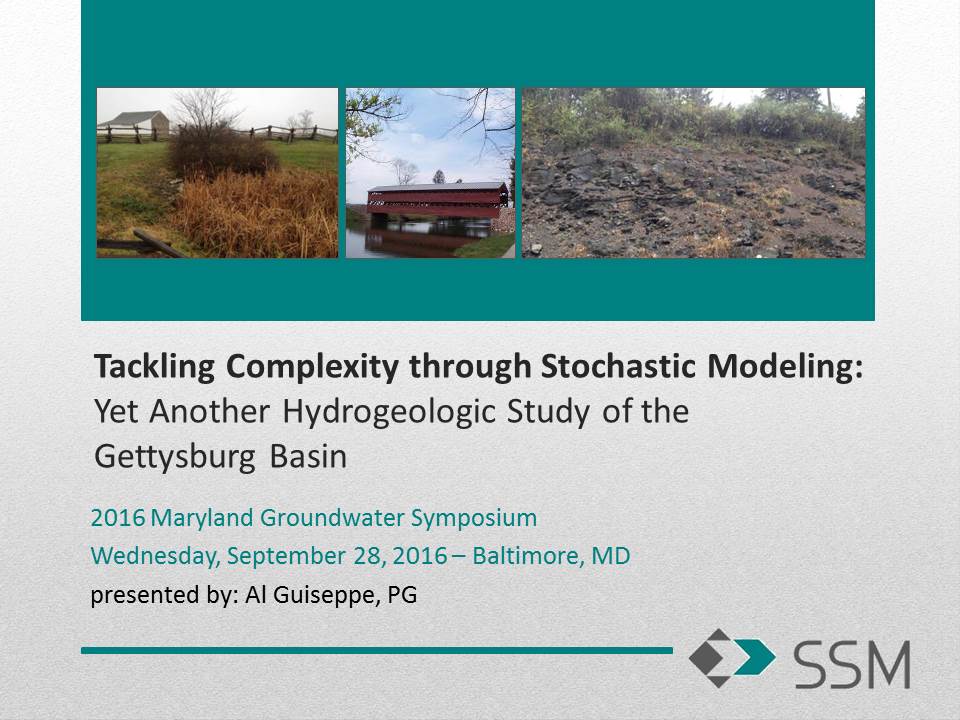
Tackling Complexity through Stochastic Modeling
Yet Another Hydrogeologic Study of the Gettysburg Basin
Tackling Hydrogeologic Complexity
- Intermediate-scale geologic features exert a large influence on the groundwater flow patterns.
- Suspected seasonal reversals of groundwater flow direction complicate the groundwater flow regime mapping.
- Stochastic modeling techniques were employed to frame the unquantified variations inherent within this unique hydrogeologic system.
- Source water protection zones were generated by aggregating thousands of flow simulations that meet observed criterion ranges.
FOR MORE INFORMATION: Al Guiseppe, PG, Director Water Supply and Development

2016 PA Groundwater Symposium
Tackling Complexity through Stochastic Modeling
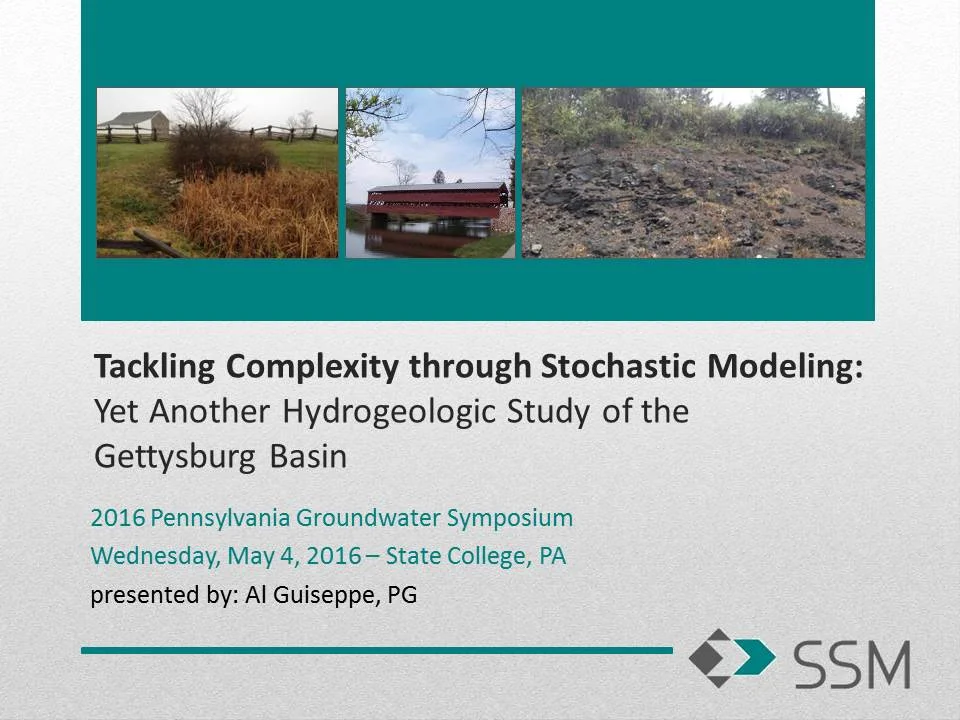
Tackling Complexity through Stochastic Modeling
A Hydrogeologic Study of the Gettysburg Basin
Tackling Hydrogeologic Complexity
Intermediate-scale geologic features exert a large influence on the groundwater flow patterns.
Suspected seasonal reversals of groundwater flow direction complicate the groundwater flow regime mapping.
Stochastic modeling techniques were employed to frame the unquantified variations inherent within this unique hydrogeologic system.
Source water protection zones were generated by aggregating thousands of flow simulations that meet observed criterion ranges.
FOR MORE INFORMATION:
Alfred Guiseppe, PG, Director Water Supply and Development
DOWNLOAD PRESENTATION HANDOUTS
2016 PA Groundwater Symposium: In celebration of National Drinking Water Week, Penn State Extension and the Pennsylvania Department of Environmental Protection along with numerous other sponsors presented the 2016 Pennsylvania Groundwater Symposium at the Ramada Inn Conference Center in State College, PA The Symposium theme, The Changing Climate of Groundwater, provided a forum for researchers, students, professionals and educators working in the groundwater field to exchange information and promote protection of groundwater resources throughout the state.

PEDA 2016 Spring Legislative Conference
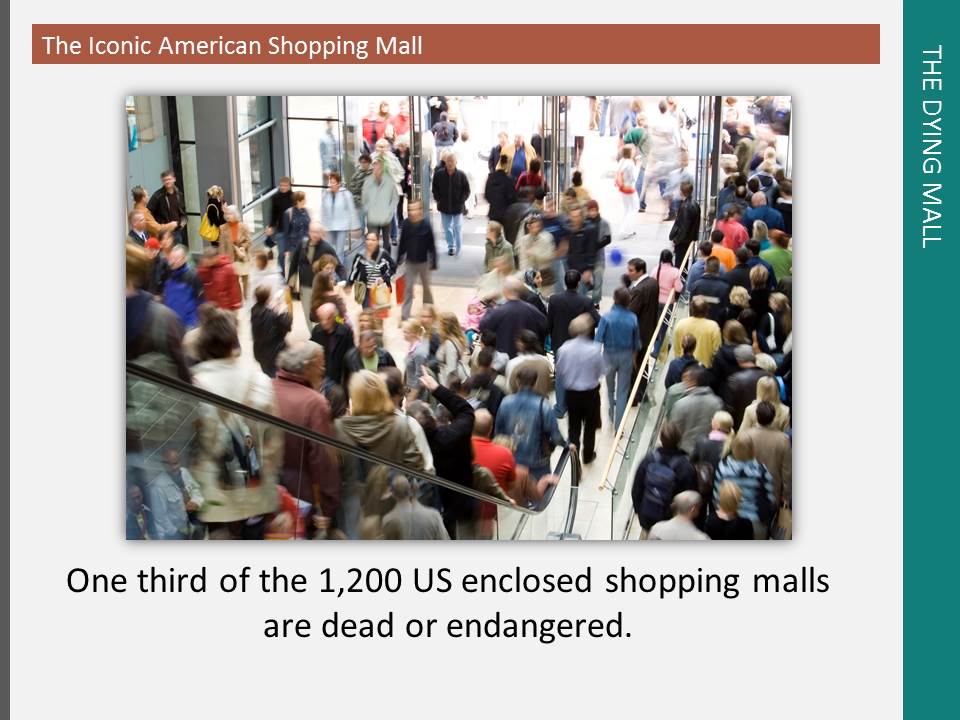
One third of the 1,200 US enclosed shopping malls are dead or endangered.

The Dying Mall: Reinventing Shopping Malls to Revitalize the Community
What’s to become of the shell of America’s shopping mall history?
Malls with high vacancy rates, low consumer traffic, no anchor store, or dated and deteriorating structures are considered ‘dead.’ Green Street Advisors report there are approximately 1,200 enclosed malls across the country and 15% of those malls will fail or be converted into non-retail space within the next 10 years. Online shopping, the recession, and demographic shifts are the key factors leading to this death toll. A change to the way we shop has led some mall owners to change the set-up of their mall, re-arranging like stores together, adding new anchors (like Apple stores) or new features (like daycare or children’s play areas) and changing the food court to a dining terrace with upgrades from fast food to sushi bars. While these approaches may save some shopping malls, the hard truth remains that many of these malls will not return to the glory of their past; but will instead close leaving behind a gigantic concrete shell on an island of macadam.
We'll be talking about the revitalization efforts at the PEDA 2016 Spring Conference!
For more information:
Terry Reed, Vice President Business Development