

The Longest Day of the Year - and the Brightest Opportunity for Solar Power
The longest day of the year means more sunlight—and more power!
Find out how the summer solstice supercharges solar energy, why it’s the future of clean power, and how you can benefit today. Don’t miss the bright side of solar!
The sun is the most abundant energy source on the planet — and it isn’t going away!
The sun produces 173,000 terawatts of solar energy per second, which is 10,000 more than the electricity produced worldwide. With the summer solstice finally here, there’s even more chances to catch some rays.
The June solstice, which typically takes place on June 20, 21, or 22 every year, occurs when the sun is directly over the Tropic of Cancer in the Northern Hemisphere. On this day, the northern regions experience longer daylight hours, while the southern regions see shorter days. This is due to the tilt of the Earth’s axis and its orbital cycle around the sun.
The farther north of the equator one is, the more sunlight they will see on this day. In our area, the sun is expected to be out for 15 hours and 6 minutes. However, in more north regions like New York City, the daylight can last for more than 16 hours!
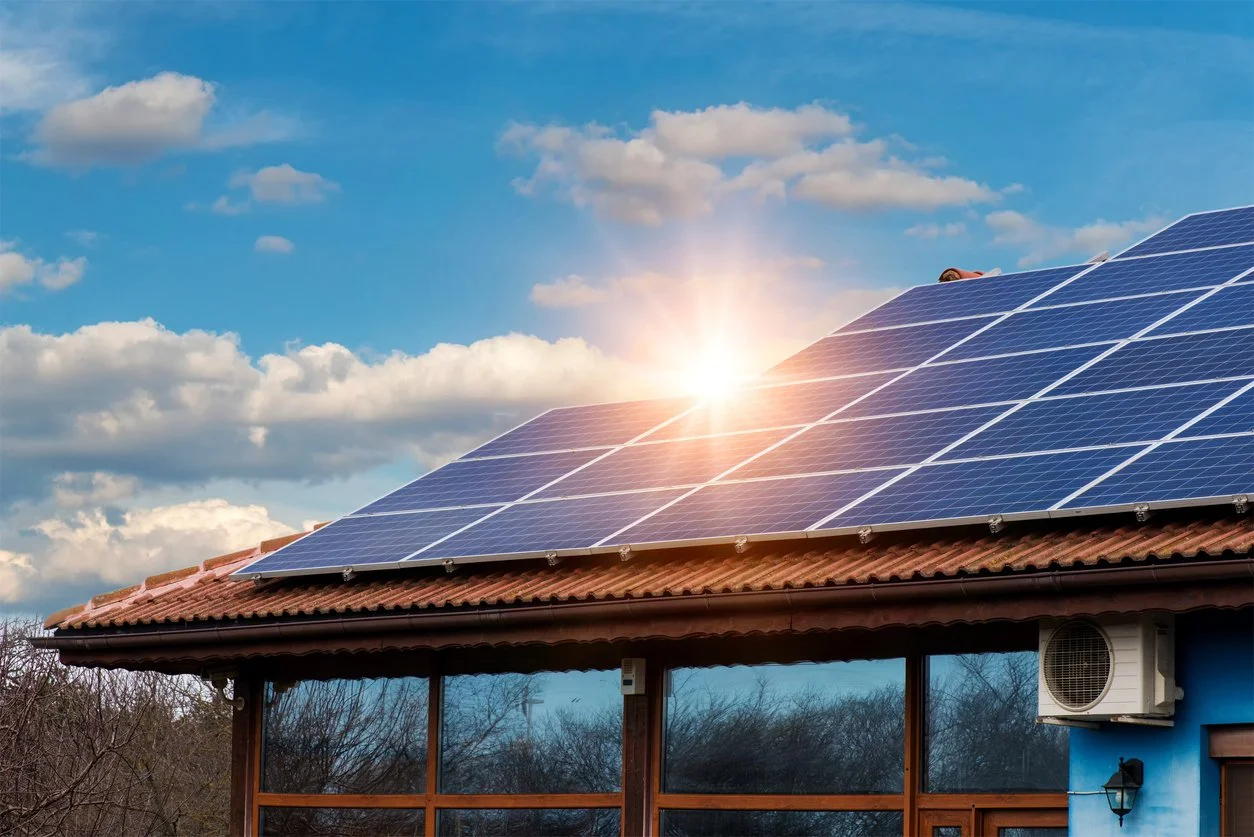
While the sunlight and long summer days offer many enjoyable opportunities for all, it also offers benefits when it comes to solar energy. With more sun available for solar panels to soak up, comes more solar energy that can be produced.
By the end of 2023, nearly 7% of global electricity generation was produced by solar PV, a major leap from 3% in 2020. Along with solar panels’ growing use, they are growing in efficiency, with more than 20% of the sunlight that gets absorbed by them being converted to energy in good-functioning, modern panels.
With their increased efficiency and their ability to last for 40+ years, solar power is becoming more and more widespread. Furthermore, their safer environmental impact — as opposed to the burning of fossil fuels — is also driving people to use them.
At SSM, we take solar power seriously! We provide surveying, civil engineering, electrical and structural engineering, and landscape architecture for the installation of solar PV arrays. We prepare site plans and supporting documents needed for land development approval, as well as create single- and three-line drawings required for utility company interconnection applications. Our team performs technical reviews of roof mounted solar PV systems and roof surveys to draft plans for rooftop installations.
Our work is focused around interconnecting the solar PV array design into the existing power distribution systems.
While solar energy offers a more reliable, environmentally friendly, and efficient source of energy, that’s not all they’re good for. There are so many more benefits that solar power has to offer! Here are more reasons to go solar this summer solstice:
Solar slows climate change- With no toxic gases being produced, solar electricity production doesn’t cause a greenhouse effect.
No pollution- With no byproducts being released into the atmosphere, there’s no waste accumulating.
Reduced carbon footprint- Solar energy is clean, efficient, and sustainable, and has no emissions, causing it to leave no footprint behind.
Saves water- Regular electricity production requires lots of water in the production process, but not in solar conversion.
Less energy lost in transmission- Regular electricity is supplied to substations, then the consumer, allowing for energy to be lost in transmission. Solar energy, however, goes directly to the consumer.
FOR MORE INFORMATION
Seth Nace, PE | Manager, Eleectrical Engineering | seth.nace@ssmgroup.com

Microgrids Explained: Benefits, Challenges, and the Path Forward
Microgrids are becoming increasingly more popular and important when it comes to supplying power.
Microgrids are local power grids that operate independently from the main (usually larger) power grid. They are integrated energy systems consisting of interconnected loads and distributed energy resources (DERs). They can operate as a singular entity or work in tandem with a grid, generating and storing their energy by way of renewable sources such as wind turbines, solar panels, batteries, and water.
Microgrids are becoming increasingly more popular and important when it comes to supplying power.
Microgrids are local power grids that operate independently from the main (usually larger) power grid. They are integrated energy systems consisting of interconnected loads and distributed energy resources (DERs). They can operate as a singular entity or work in tandem with a grid, generating and storing their energy by way of renewable sources such as wind turbines, solar panels, batteries, and water.
Several different types of microgrids exist.
A networked (or “grid-tied”) microgrid is always connected to the main utility grid.
A grid-connected (or “island-able) microgrid is connected to the main grid but can switch off from it and work independently if a power supply issue occurs.
A remote (or “off-grid) microgrid operates independently from the main grid.
Microgrids offer many benefits, the most prominent of which are their reduction of greenhouse gas emissions and their ability to provide power security when the traditional grid goes down. Other benefits include: their energy efficient design that reduces waste and lowers cost for consumers, ability to provide power to remote areas, contribution to a sustainable energy future, and their ability to provide energy closer to its consumption location, lowering transmission losses.
While they offer many benefits, there are a few challenges surrounding microgrids. The upfront cost of building and installing a microgrid can be significant — cost may vary based on size, location, and amount of energy needed. They are also complex to design, build, and operate because of their energy flow adaptability. Further, updated and limited regulations can cause legal restrictions when implementing and operating microgrids.
Fortunately, there are ways to overcome these challenges. Improvements to renewable energy technology makes microgrids more efficient to implement. Developing new management systems and technologies makes microgrids easier to operate and manage as well. When it comes to cost, businesses and investors can help by providing funding.
Many who use microgrids use them because of their resilience, cost optimization, sustainability, and expansion. In the case of storms, wildfires, power quality issues, and more, microgrids provide power when the main grid can’t. They offer an alternative to combat the increasing cost of electricity and high demands from peak power usage. Microgrids also help businesses and governments meet sustainability targets and comply with government mandates. On top of this, adding electric chargers, converting systems from gas to electric, and adding new equipment to increase capacity helps expand microgrids to more regions.
At SSM, we provide surveying, civil engineering, electrical and structural engineering, and landscape architecture for the installation of solar PV arrays. PV arrays are one of the many DERs that provide microgrids power. We perform code reviews, utility coordination, preparation of permit and construction documents, and construction administration. We prepare site plans and supporting documents needed for land development approval, as well as create single and three line drawings. Our work is focused around interconnecting the solar PV array design into the existing power distribution systems.
As technology continues to evolve, the use of microgrids is becoming more and more widespread. But not all microgrids are the same. Because microgrids are so diverse, it’s important to make sure your microgrid fits your requirements and demands!
FOR MORE INFORMATION
Seth Nace, PE | Manager, Eleectrical Engineering | seth.nace@ssmgroup.com

Ensure Compliance with BEPP and Avoid Penalties
If you are a commercial building owner in the City of Philadelphia, you may be required to comply with a recent regulation called the Building Energy Performance Program (§9-3404Building Energy Performance Policy). This ordinance mandates that owners of buildings larger than 50,000 square feet complete a “Building Tune-Up” every five years. The deadline for compliance has passed. If you have not yet addressed this requirement, now is the time to act! Non-compliance may result in violation notices and monthly fines from the Department of Licenses and Inspections (L&I).
The Building Energy Performance Program, created through Building Energy Performance Policy aims to achieve efficient energy and water use in the largest non-residential buildings in Philadelphia.
Like cars, buildings need occasional tune-ups to keep them running smoothly and efficiently. A building tune-up requires a review of energy systems and controls and minor tweaks to bring them up to a good state of performance. On average, these tweaks result in 10–15% annual energy savings for a building. They also provide a more comfortable space for tenants. This policy is projected cut carbon pollution in Philadelphia by nearly 200,000 metric tons. This reduction is equivalent to taking 40,000 automobiles off our roads.
Who is impacted?
Owners of any commercial, non-residential building with indoor floor space of at least 50,000 square feet of indoor floor space must comply with the policy.
Who is not included?
- Residence halls, dormitories, and other non-transient large lodging places
- Parking lots and parking garages, or the portions of otherwise covered buildings used for parking
How do I comply?
Buildings must comply every 5 years from their compliance date.
Buildings have three options for compliance.
- Conduct a “tune-up” of existing building systems
- Certify high performance
- Receive an exemption

Example of what you will receive from the City of Philadelphia L&I for non-compliance
Qualified tune-up specialists:
If conducting tune-ups, building owners must hire approved tune-up specialists to lead their building system assessments and sign off on tune-up reports. In-house or contracted service providers may complete the corrective actions, however, the final tune-up report must be verified and signed by the qualified tune-up specialist.
Spotts, Stevens and McCoy has five certified tune-up specialists on our staff, ready and able to assist in compliance with this regulation.
What is a building tune-up?
The Building Tune-Up is an assessment of existing base building systems and corrective actions to bring the systems up to a state of good repair. The assessment includes all systems of the building that use energy or impact energy consumption.
- HVAC Operations and Controls
- Lighting System Assessment
- Building System Maintenance and Repairs
- Domestic Hot Water and Water Usage
- Building Envelope
The tune-up includes:
- Billing analysis.
- Assessment of Elements: HVAC Operations and Controls, Lighting System Assessment, Building System Maintenance and Repairs, Domestic Hot Water and Water Usage, and Building Envelope
- Determination and Implementation of Corrective Actions
- Post implementation assessment
- Final Tune-up Report
Here to Help:
Marika Selzler Williams, EIT, ENV SP, CEM | Manager, Energy and Sustainability Services
Energy and Sustainability Services | marika.selzler@ssmgroup.com

Reducing the use of Fossil Fuels
Celebrating Zero Emissions Day: a day focused on encouraging the reduction of the use of fossil fuels in daily life and promoting the use of renewable energy.
Since its inception in 2008, Zero Emissions Day has grown into a global movement encouraging individuals to minimize fossil fuel usage. This day aims to raise awareness about the impact of carbon emissions on climate change and air quality.
Ways to Observe Zero Emissions Day:
Walk, Bike, or Carpool: These alternatives help reduce emissions.
Conserve Energy: Turn off lights and computers when not in use.
Utilize Fresh Air: Use windows and economizers to cool buildings at night, decreasing reliance on air conditioning during the day.
On a larger scale, the day encourages organizations and corporations to reduce the use of fossil fuels in daily life and to promote the use of renewable energy.
In June, the Department of Energy released a definition of zero emissions buildings to advance public and private sector efforts to decarbonize the buildings sector. The definition provides industry guidance to support new and existing commercial and residential buildings to move towards zero emissions across the entire sector and help achieve climate goals, while cutting home and business energy costs. This initiative is expected to help advance next-generation clean energy solutions, drive innovation and tackle the climate crisis, while supporting workforce development.
According to DOE, with nearly 130 million buildings in the U.S. costing over $400 billion annually in energy, and an expected 40 million new homes plus 60 billion square feet of commercial space by 2050, the push for zero emissions is crucial.
To achieve zero operational emissions a building must meet the following minimum criteria:
Energy Efficient: The building uses the most efficient technologies and is built to reduce losses.
No On-Site Emissions: The building’s direct greenhouse gas emissions from energy use equal zero.
Powered by Clean Energy: All the energy used by the building, produced both on-site and off-site, is from clean energy sources.
Check out these resources for more information:
U.S. Department of Energy
National Definition of a Zero Emissions Building - Web
National Definition of a Zero Emissions Building - PDF
If you’re curious about solar potential for your business’s roof or parking lot, contact us for assistance! Our team offers comprehensive support, from feasibility studies to design and construction, ensuring a smooth transition to solar power.
FOR MORE INFORMATION
Marika Selzler, EIT, ENV SP, CEM | Manager, Energy and Sustainability Services
marika.selzer@ssmgroup.com

Did you know that with 5,000 square feet of open roof or parking area, the average 3-floor commercial building can produce 67% of its electricity consumption with on-site, emission-free solar energy. This can save over $1,000 every month on energy costs!
PA Department of Environmental Protection Launches Energy Efficiency Grant and Loan Program
The PA Department. of Environmental Protection (PA DEP) launched a new program to help local governments develop and implement energy efficiency upgrades for their buildings. The Municipal Opportunities for Retrofits and Energy Efficiency (MORE) program offers grants to $50,000 each and loans to PA municipalities and municipal authorities that are ineligible for direct EECBG allocations. Applications are open now, and awards are first come, first served.

The PA Department of Environmental Protection (PA DEP) recently launched a new program to help local governments develop and implement energy efficiency upgrades for their buildings. The Municipal Opportunities for Retrofits and Energy Efficiency (MORE) program offers grants to $50,000 each and loans to PA municipalities and municipal authorities that are ineligible for direct EECBG allocations. Applications are open now, and awards are first come, first served.
Approximately $1.8 million in grant funds will be offered through October 25, 2024, $1 million of which is on reserve through August 30 for “priority” communities based on need.
The intent of the MORE program is to help local PA governments pay for energy efficiency upgrades, building retrofits, and onsite renewable energy generation (when paired with energy efficiency), while lowering utility bills and fighting climate change pollution. Grant funds may be used to conduct an ASHRAE Level 2 Energy Audit, design Energy Conservation Measures (ECMs), develop the MORE loan application, and buy down the loan interest rate to as low as 0% with any remaining funds. ASHRAE Level 2 Energy Audits performed within the last 5 years can be used.
The MORE loan application period opened June 3, 2024, and will remain open as long as funds are available. The minimum loan available is $5,000, and the program offers repayment terms up to 15 years. The loan application requires submission of the Level 2 audit and ECM design.
MORE program participants are strongly encouraged to apply for the grant first, as it is intended to reduce the hurdles of securing financing for energy efficiency projects.
Who is eligible for MORE? Eligible applicants for the MORE Program are PA local governments that are ineligible for an Energy Efficiency & Conservation Block Grant (EECBG) from the U.S. Department of Energy (DOE). A full list of local governments allocated EECBG awards that are not eligible for a MORE grant can be found here.
Eligible local government entities include:
Counties
Cities
Boroughs
Towns
Townships
Municipal Authorities
Program Timeline - The MORE Grant application will only be open from June 3, 2024 to October 25, 2024, but the MORE loan will continue accepting applications as long as funds are available. As a revolving loan fund, the MORE Loan does not have a closing date.
June 3, 2024: MORE grant and MORE loan opened
August 30, 2024: Priority applicant window for the MORE grant closes
October 25, 2024: MORE grant application closes
FOR MORE INFORMATION
Energy & Sustainability Services
Paul Spiegel, P.E., LEED AP | paul.spiegel@ssmgroup.com

The Impact and Benefits of Solar Power
As we celebrate the first days of summer, it's the perfect time to explore how solar power can benefit our world.

In honor of the first day of summer, it’s a great opportunity to discuss the impact and benefits of solar power.
Benefits of Solar Energy
Financial Savings: Property owners can claim at least 30% of the cost of their solar system on their federal income taxes—including non-taxable entities. This benefit is thanks to the Investment Tax Credit (ITC), and can make solar installations significantly more affordable. Pennsylvania utilities such as PECO offer additional rebates.
Environmental Benefits: Using more solar power is good for the planet! It reduces air pollution, reduces our carbon footprint, generates renewable energy and offers energy independence, thanks to the abundant free energy from the sun. As solar power replaces fossil fuels released from conventional grid electricity generation, our impact on climate change lessens.
Benefits Grid Capacities: Utility companies encourage home and business owners to take advantage of the sun’s power. Solar installations typically generate additional electricity into the grid during high demand periods. This allows utility companies to reduce reliance on gas and coal generation. In addition, home and business owners can sell their extra generated energy to utility companies in exchange for credits on utility bills.
Increases Property Value: Buildings with solar arrays have a higher market value than similar properties without. According to the National Renewable Energy Laboratory (NREL), a home’s value can increase by $20 for every $1 saved on annual utility bills.
Minimal Maintenance: Since solar installations typically don’t have complex electronics or moving parts, maintenance is extremely minimal. It’s recommended that solar installations receive a check up every three to five years to make sure everything is still working smoothly, but panels are cleaned from the rain in this region.
SSM’s Energy Services
SSM's Energy Services support clients through the entire process, from feasibility studies and financial assessments to full design, permitting and construction, ensuring a seamless transition to solar power.
Feasibility: SSM evaluates variables to ensure that solar energy is the right move: how clients use energy, the size of systems needed to match the amount of energy they use and the placement of a solar array suited to the site’s unique rooftop, parking lot or ground area.
Financial: SSM also assists with the financial affordability of solar installations including evaluating the projected return on investment including available financial incentives through federal, state or utility organizations in the form of grants, rebates and tax credits.
Design: SSM takes care of the full design process for solar installations. This process includes full electrical and structural design of the arrays and specifications as needed for contractor bidding.
Permitting: SSM prepares documentation for and submits local permits as well as utility interconnection, coordinating with the local utility’s protection requirements.
Construction: SSM can oversee the construction process and complete periodic inspections of construction to make sure it’s being installed to our specifications.
Things to Keep in Mind
There are many structural and safety variables that must be considered before installing a solar system on an existing or designed roof. By considering these perspectives before and during the design stages of solar installations, owners can ensure that integrating these systems is safe, reliable, and compatible with the existing building structure and infrastructure.
Conservation and Electrification: It’s important to reduce the energy consumption of the facility through conservation and efficient equipment to make sure you don’t install an array that’s bigger than you need. In addition, consider switching gas-using equipment to electric so solar power can positively impact all energy usage.
Roof Load Capacity: It’s essential to evaluate if the structure can support the solar energy system. The roof should be inspected for structural soundness before solar panels are installed. Factors to be considered include the roof’s age, condition, material and design. Reinforcements might be necessary to enhance the structural stability of the roof to support the system.
Roof Orientation and Tilt: The orientation and tilt of a roof impact the efficiency of solar panels. For peak performance, solar panels should be installed on a roof with clear sunlight exposure throughout the day and a primarily southern-facing or flat roof.
Roof Condition and Maintenance: A roof-mounted system should only be installed atop a new roof surface, as the life expectancy of the solar array is about that of a typical roof surface. Any damage should be repaired to prevent issues during or after installation the process.
Electrical and Fire Safety: Proper electrical and fire safety measures must be implemented to minimize the risk of electrical and fire hazards, and are standard in our design process. This includes ensuring electrical components are installed to code, implementing surge protection and providing access pathways for emergency responders.
Battery Energy Storage
Battery storage allows extra electricity generated by solar panels to be captured and stored for when there is high energy demand or sunlight is not present. Here’s how battery storage works:
Generation: Solar panels harness sunlight and convert it into electricity using the photovoltaic effect. When the sun is shining during daylight hours, solar panels generate power that can be used to operate electronic devices or stored for future usage.
Charge: Excess electricity produced by the solar panels is routed to a battery storage system for retention rather than being immediately used or sent back to the grid. The battery storage system preserves this electricity for times when demand surpasses solar production.
Discharge: When the demand for electricity exceeds solar generation, power is pulled from the battery storage system to operate the facility. Battery storage systems offer immediate electricity, which stabilizes the grid and fulfills demands without dependence on fossil fuel-powered facilities.
Energy Management: Battery storage systems often join forces with “smart” energy management setups to enhance energy utilization and increase financial benefits.
Backup Power: Battery storage systems act as backup sources during grid failures, ensuring continuous power supply to essential functions. By creating energy independence, they elevate the efficacy of solar electricity systems for households, businesses and communities.
Grid Interaction: In solar and battery systems linked to the grid, surplus electricity from solar panels or batteries can be sent back to the grid. This allows property owners to engage in net metering initiatives or sell extra electricity to utilities at times of high value.
Solar energy offers an array of benefits, including significant financial savings, environmental advantages and insulation from utility electric companies. As we celebrate the first days of summer, it's the perfect time to explore how solar power can benefit our world. With comprehensive support from SSM's Energy Services, transitioning to solar energy has never been easier, ensuring sustainable and cost-effective energy solutions for the future.
FOR MORE INFORMATION:
Energy and Sustainability Services
Marika Selzler-Williams, EIT, ENV SP, CEM | marika.selzler@ssmgroup.com
Electrical Engineering Services
Seth Nace, PE | emerick.martin@ssmgroup.com
Structural Engineering Services
Jeff Thoms, PE | jeff.thoms@ssmgroup.com

Case Study: Radnor Township
Developed a plan to achieve The Green Team of Radnor Township’s Ready for 100 commitments to transition township-wide to 100% clean energy for electricity by 2030 and for heat and transportation by 2050.
In addition, we provided engineering services to the Township for three main facilities in a feasibility study to identify the potential financial impact and set priorities for moving into design and implementation of improvements in accordance with the Township’s Ready for 100 goals, pursuant to the Renewable Energy and Conservation Plan.
Ready for 100 Renewable Energy and Conservation Plan

Our team developed a plan to achieve The Green Team of Radnor Township’s Ready for 100 commitments to transition township-wide to 100% clean energy for electricity by 2030 and for heat and transportation by 2050. Our services included a strategy to reduce energy consumption within the Township, transition to building electrification, and maximize investments in renewable energy. We engaged with relevant stakeholders to gather feedback to incorporate into the plan. As a final step, we supported the Township Manager in drafting a resolution for the Commissioners to adopt the plan, including presenting the final plan in a public meeting and gathering community support to advocate for adoption.
Project Highlights
Developed a plan to achieve The Green Team of Radnor Township’s Ready for 100 commitments.
Developed a strategy to reduce energy consumption within the Township, transition to building electrification, and maximize investments in renewable energy.
Engaged with relevant stakeholders to gather feedback to incorporate into the plan.
Supported the Township Manager in drafting a resolution for the Commissioners to adopt the plan, including presenting the final plan in a public meeting and gathering community support to advocate for adoption.
Facilities Evaluation, Feasibility Study and Energy Audit
Provided engineering services to the Township for three main facilities in a feasibility study to identify the potential financial impact and set priorities for moving into design and implementation of improvements in accordance with the Township’s Ready for 100 goals, pursuant to the Renewable Energy and Conservation Plan. The team’s objective was to cost-effectively improve energy and environmental performance for the Township facilities.
Our multi-disciplinary team focused on 3 key areas:
Energy Audit and HVAC Assessment – Our team performed baseline energy assessments for each of the facilities and provided recommendations for operational and capital energy conservation measures and adjustments to controls resulting in savings projects for both energy consumption and associated costs. Our energy and electrical team provided assessments and recommendations related to electrification and solar options to meet the Township’s Ready for 100 Goals.
Roof Assessment – The team provided feasibility assessments of the municipal and public works buildings to identify whether a roofing replacement was necessary and if the roof could support a solar array. The team measured and documented the existing conditions and verified reserve capacity, providing recommendations for the roofing system and impacts of code requirements. Electrical analysis related to the solar array considered sizing, obstruction, and overall viability, modeling potential monthly production versus energy consumption. Additionally, the electrical team evaluated the electrical infrastructure as it relates to capacity and code compliance for the proposed solar, HVAC, and lighting upgrades.
Feasibility Assessment and Concept Design for ADA-Compliant Bridge – Our team provided evaluations of the site, providing recommendations for bridge replacement and improved ADA access from parking lots to Encke Park playground and ballfields. In addition, the team advised on regulatory and permitting requirements that would be required as the project moved forward to design and construction.

Case Study: Renew America's Schools Grantee
Our team provided modeling of deep energy upgrades for the Penn Wood High School Cypress Street campus, prepared the application and all supporting documents, and managed the post-award grant negotiations to secure more than $7.2 million for the District.
William Penn School District, Yeadon PA
On behalf of the William Penn School District, Practical Energy Solutions, SSM's Energy & Sustainability Group, took the lead role in preparing a successful application to DOE during the first phase of this grant program. Just 2% of eligible applications from 44 states were selected, and this was the only winning application in Pennsylvania. Our team provided modeling of deep energy upgrades for the Penn Wood High School Cypress Street campus, prepared the application and all supporting documents, and managed the post-award grant negotiations to secure more than $7.2 million for the District.
This funding will accelerate William Penn School District’s progress toward advancing academic success, creating safe, health learning environments, running effective and efficient operations, and improving quality of life by enabling a high-efficiency upgrade of the Penn Wood HS Cypress Street Campus, a 74,000 sf 1947 building that suffers from deferred maintenance.
The District will be able to construct a high-efficiency ambient heat pump heating/cooling system, high-efficiency LED lighting, a Building Automation System (BAS), and solar PV-roofing that will move the school toward 100% electrification, cutting gas consumption by 97%, and prepare this school for complete “net-zero” energy generation. The project will incorporate state-of-the-art equipment to allow for hands-on, STEM-based student education about energy generation and jobs in the mechanical engineering field, and new technologies that benefit the environment.
Community Benefits
Building upgrades will improve the energy resiliency of the community by creating a low-energy-consuming building, nearly free of fossil fuel dependence.
As an educational institution, William Penn is developing a diverse, skilled labor workforce by educating and training their own students in STEM programs They have partnered with Project Lead The Way Gateway, RAMP to STEAM, Young Men and Women in Charge (YMWIC), and Delaware County Chamber of Commerce.
William Penn will enter into project labor agreements for all mechanical, electrical, and plumbing work in order to involve the local labor force and provide apprenticeship opportunities.

The Renew America's Schools Prize
Applications are now open for the second round of funding: The Renew America’s Schools Prize.
The U.S. Department of Energy (DOE) launched the $500 million Renew America’s Schools Program to promote the implementation of clean energy improvements at K-12 public schools across the country. The program aims to help school communities make energy upgrades that will decrease energy use and costs, improve indoor air quality, and foster healthier learning environments.
Applications are now open for the second round of funding: The Renew America’s Schools Prize.
In this round, DOE is implementing a prize-to-cooperative-agreement funding model to streamline the application process, and to provide Local Education Agencies (LEAs) or school districts, earlier, more targeted support. This $180 million investment in K-12 public schools and school facilities around the country will help districts build capacity, perform energy audits, and plan/implement energy improvement projects across a portfolio of school facilities.
The 2024 Renew America’s Schools Prize consists of three phases. In Phase 1 competitors build teams and curate lists of at least 10 schools and school facilities that demonstrate compelling need and eligibility for investment.
Phase 1 Winners will earn a cash prize of $300,000 and move on to Phases 2 and 3, during which they will enter and execute Cooperative Agreements with DOE.
Awards made in Phases 2 and 3 will vary by portfolio size.


FOR MORE INFORMATION
Energy & Sustainability Services
Paul Spiegel, PE, LEED AP | paul.spiegel@ssmgroup.com
Case Study: Energy Benchmarking and HVAC Controls Analysis
Our Energy and Sustainability Team completed an assessment of BAS settings and algorithms, and a subsequent fine-tuning by the controls contractor, providing a significant and progressive reduction in energy use, resulting in utility bill and environmental savings.

Overview
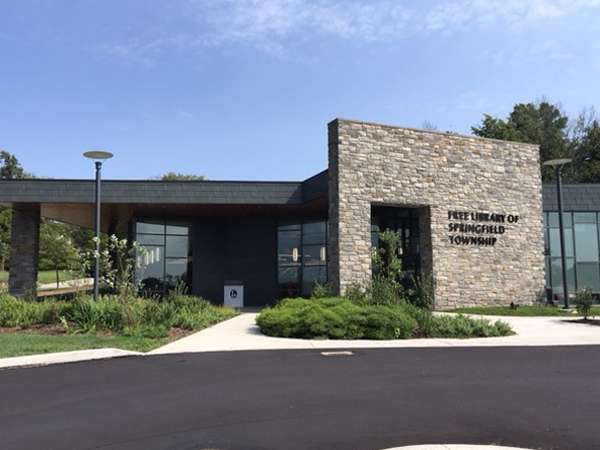
Practical Energy Solutions, the Energy team at SSM, provided both energy benchmarking services and an HVAC building automation system (BAS) controls analysis and modification plan to Springfield Township, in Montgomery County. The project was championed by the Township’s Environmental Advisory Council.
The initial energy benchmark of 3 township buildings identified that two of the buildings, the Free Library and Police/Administration building, were under-performing. This suggested substantial opportunities to improve energy efficiency, leading to full HVAC Controls Analyses of both buildings.
Initial Controls Assessment

The energy team conducted a full assessment of the HVAC operations of both facilities during heating season. The team focused on the BAS controls, since the lighting systems are highly efficient and the building envelope is in good condition due to the relatively young age of the buildings.
The team identified ample opportunities to refine the controls and reduce energy consumption in both buildings. One or two measures required minor programming by the controls contractor, but most of the changes were simple and cost-free to the Township.
Administration/Police Building: Identified seven measures that will conservatively reduce whole-building energy use by one-third, saving nearly $10,000 in annual utility costs and reducing the CO2 pollution by approximately 130,000 pounds every year.

Free Library Building: Similar opportunities that will conservatively produce a 28% energy reduction, annual utility bill savings of approximately $6,200 and CO2 pollution reductions of more than 76,000 pounds annually.
These changes are expected to be highly cost effective and have the same environmental impact as planting nearly 4,800 mature trees or removing 21 passenger cars from the road.
Follow-up Assessment
After two years, a second benchmark of whole-building energy performance of both facilities showed a clear and positive trend to reduced energy use. After partial implementation of recommendations, whole-building energy use in the Administration/Police and Library buildings dropped 25% and 17% respectively, after normalizing for variations in weather climate. A second phase of BAS modifications is expected to show further, substantial energy and utility bill savings.
Here to Help | Paul Spiegel | Director, Energy and Sustainability Services | paul.spiegel@ssmgroup.com

Funding Opportunity: Renewable Energy Systems & Energy Efficiency Improvement Guaranteed Loans & Grants
Guaranteed loan financing and grant funding to agricultural producers and rural small businesses for renewable energy systems or to make energy efficiency improvements.
Project Profile:
Our energy team provided comprehensive energy and sustainability services including grant acquisition services totalling over $500K in funding acquired through the REAP program, and energy analysis aiding in reducing their environmental impact to almost zero.
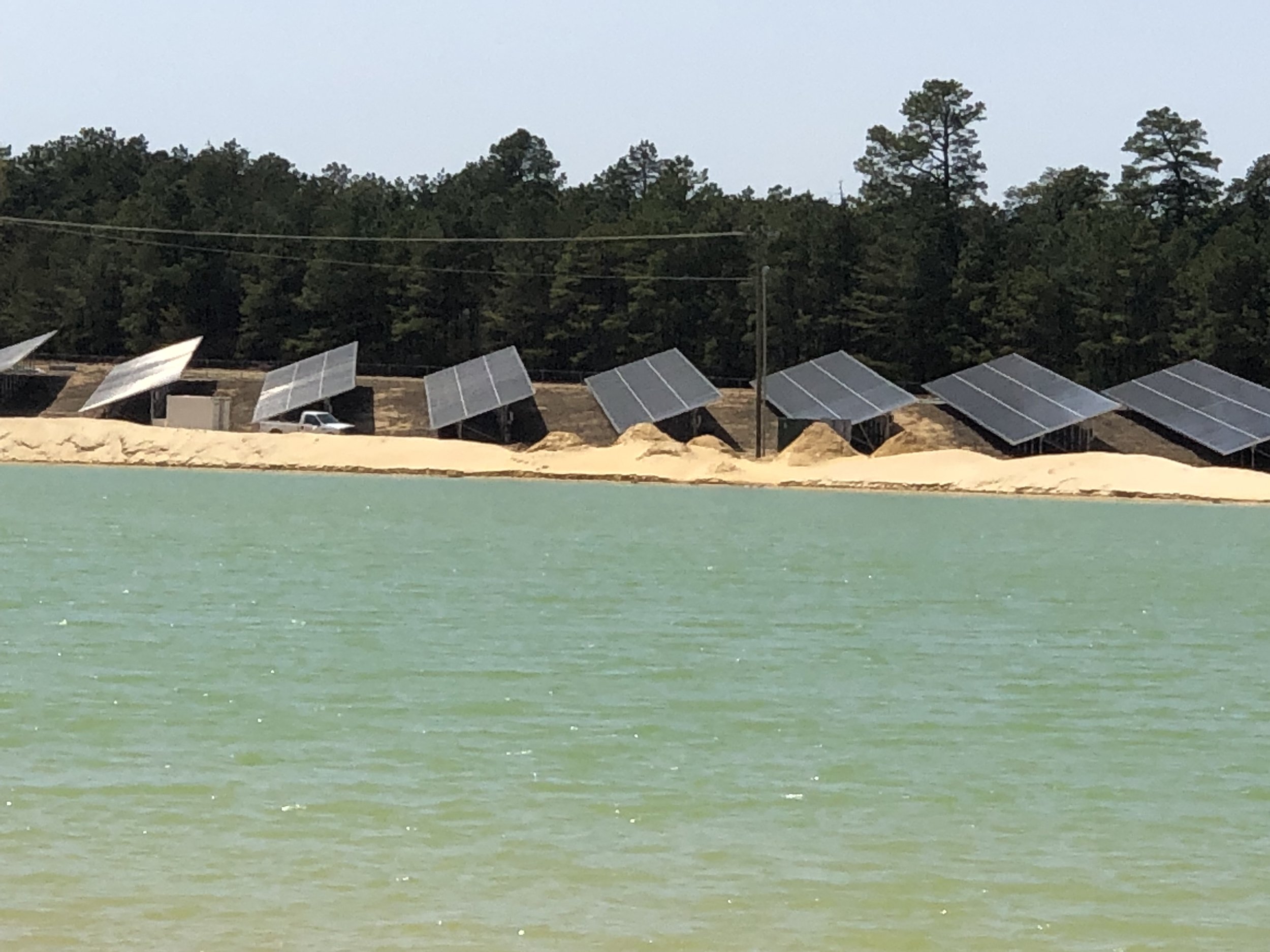
USDA REAP Energy Efficiency Grant | Our team acquired a $250,000 Renewable Energy for America Program (REAP) grant to purchase a new electric pump/dredge, to eliminate diesel fuel use.
USDA REAP Renewable Energy Grant | The second grant our team acquired for the client was in the amount of $327,000 for a solar photovoltaic array to power close to 100% of initial scope and reduce their environmental footprint. Aztec Materials has since expanded their operations, and the solar array covers the majority of the new total electricity demand. This solar array should last 20 to 25 years.
What does this program do? The program provides guaranteed loan financing and grant funding to rural small businesses and agricultural producers for renewable energy systems or to make energy efficiency improvements. Agricultural producers may also apply for new energy efficient equipment and new system loans for agricultural production and processing.
Who may apply for this program?
Agricultural producers – directly engaged in production of agricultural products where at least 50 percent of their gross income comes from agricultural operations
Small business located in eligible rural areas, meeting the Small Business Administration size standards and one of the following – private for-profit entity; a cooperative; an electric utility that provides service to rural consumers and operated independent of direct government control; a tribal corporation or tribal business entities
What is an eligible area?
Projects must be located in rural areas with populations of 50,000 residents or less
Agricultural producers may submit project to be located in non-rural areas should project be associated
with an on-site production operation.
Funds may be used for the purchase and installation of renewable energy systems, such as:

Biomass (for example: biodiesel and ethanol, anaerobic digesters, and solid fuels)
Geothermal for electric generation or direct use
Hydropower below 30 megawatts
Hydrogen
Small and large wind generation
Small and large solar generation
Ocean (tidal, current, thermal) generation
Funds may be used for the purchase, installation and construction of energy efficiency improvements:

High efficiency HVAC
Insulation
Lighting
Cooling or refrigeration units
Doors and windows
Electric, solar or gravity pumps for sprinkler pivots
Switching from a diesel to electric irrigation motor
Replacement of energy-inefficient equipment
What funding is available?
Loan guarantees on loans up to 75 percent of total eligible project costs
Grants for up to 50 percent of total eligible project costs
Combined grant and loan guarantee funding up to 75% of total eligible project costs
For full program details:
Rural Energy for America Program Energy Audit & Renewable Energy Development Assistance Grants in Pennsylvania | Rural Development (usda.gov)
For assistance and to get started: Paul Spiegel, PE, LEED AP | paul.spiegel@ssmgroup.com










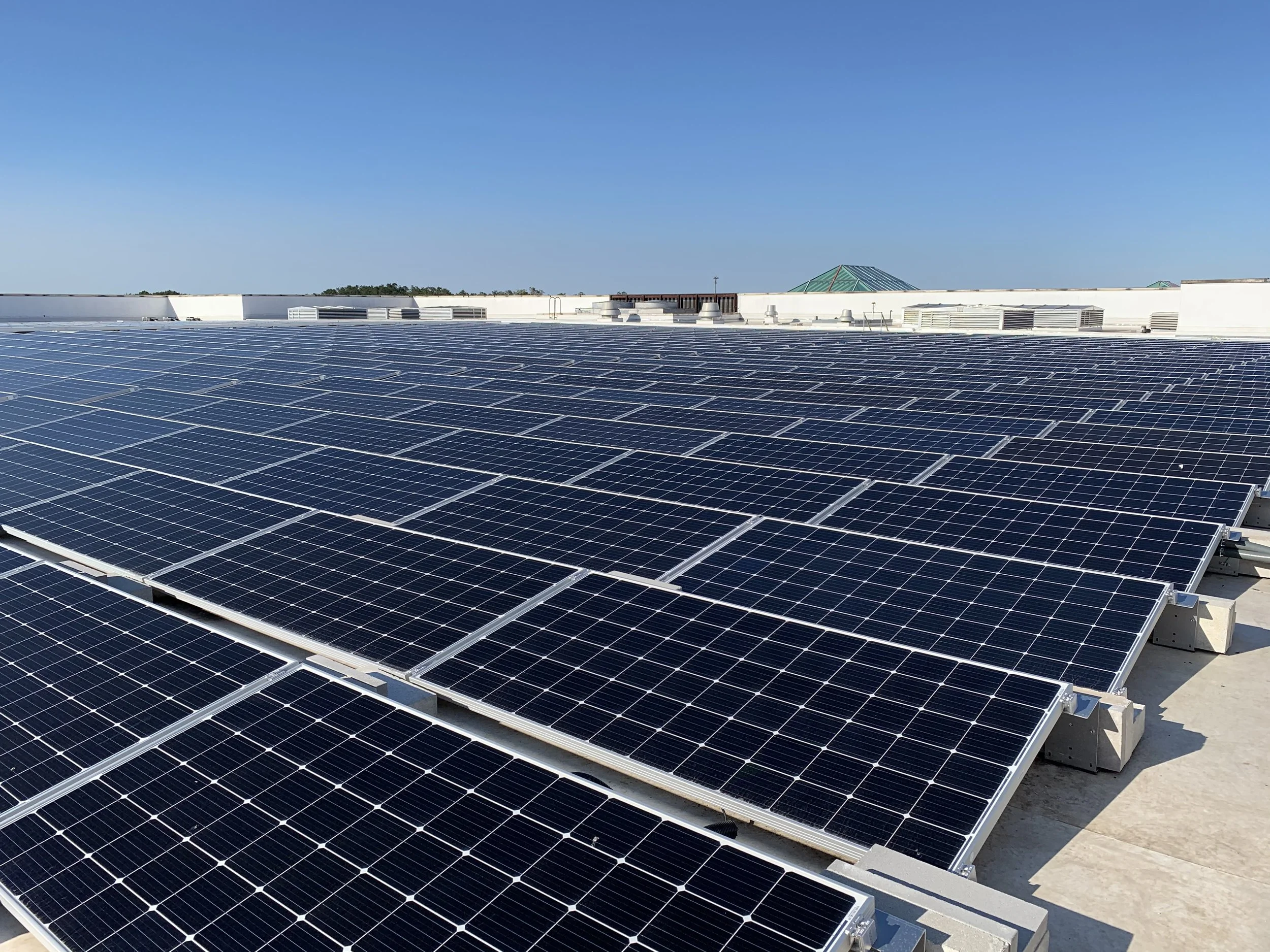
Maximizing Solar Savings: A Guide to 3 Key Financial Benefits
Solar system installation is more affordable than ever. Several financial opportunities including rebates, grants, and tax credits combined with expanding financing opportunities make the return on your investment faster and more attainable. Here’s a look at 3 key financial opportunities associated with solar system conversion.

With staggering energy costs and an increasing awareness of the impact of greenhouse gas emissions, home and business owners are leaning into clean and renewable energy opportunities such as solar power generation.
Fortunately, solar system installation is more affordable than ever. Several financial opportunities including rebates, grants, and tax credits combined with expanding financing opportunities make the return on your investment faster and more attainable.
Net Metering
Net metering offers a return on your production of excess energy, ensuring you use the energy you need – and you get paid for the energy you don’t.
Coordinated through your utility company, net metering pays residential and commercial solar system owners for excess electricity that is generated and sent to the utility’s electrical grid. System owners are compensated through payment credits on utility bills, which can be used to offset future bill statements.
Weather and other conditions can impact a solar system’s peak performance. And at times, your energy use will outweigh what you’ve generated. Through net metering, your extra electricity is fed to your utility’s grid – and they give you credits for when you need to draw electricity back out.
The arrangement is symbiotic: clean energy never goes to waste, and you’re compensated for everything your system generates. In turn, you reap significant energy savings and better control over your energy expenses.
Solar Renewable Energy Certificates (SRECs)
While net metering often comes in the form of utility credits and offset of utility bills, SRECs are an additional revenue stream that can accelerate the return of your investment.
Solar Renewable Energy Certificates (SRECs) are earned by home or building owners for every 1,000 kilowatt-hours (kWh) or 1 megawatt-hour (MWh) of solar energy produced. Certificates are then sold to energy suppliers at market value to help meet their mandatory renewable energy requirements. The price for each SREC is dependent on the current market supply and demand.
State energy programs require electricity providers to derive a percentage of their energy from renewable sources. Because your certificates represent a positive environmental impact, utility providers can purchase your SRECs to assist them in reaching this requirement.
Understanding the value and fluctuation of SREC prices, as well as the application and registration requirements are all crucial to making the most out of the SREC program. We encourage working with an experienced team like SSM and Practical Energy Solutions to ensure you’re receiving the highest return for your SRECs.
Solar Investment Tax Credit (ITC)
The Federal Investment Tax Credit offers a steep federal tax credit based off your total solar project cost. The credit is not a deduction or rebate, but rather a dollar-for-dollar reduction in taxes that an individual or company would otherwise owe.
The ITC was enacted in 2006. But passage of the Inflation Reduction Act in 2022 extended the tax credit timeline and successfully increased the credit amount received. Almost all commercial and residential solar projects initiated within the next ten years will return at least 30% of project costs in federal tax credits. However, intentional planning and decision making can bring you a credit return of up to 70% of total project cost.
New! Non-taxable entities and direct payments. With the expansion of the ITC through the Inflation Reduction Act, for the first time ever non-taxable entities can now receive the available tax credits and bonuses in the form of ‘Elective Payment’. This is most applicable to local and state governments, schools, and non-profit organizations. Similarly, tax-paying entities with low tax liability can now sell their tax credit, producing a direct payment option.

How to make the most of financial opportunities
Consider onboarding a solar expert team to ensure you right-size the system and make the most of every incentive available. Proper planning, negotiation, and analysis of rebates and financing opportunities can make installation of a solar system not only a low-risk investment but a high-value opportunity.
Perfecting your financial recipe is what we do. We pair technical engineering backgrounds with unrivaled expertise in the clean energy sector and nearly a decade of experience in energy to ensure your clean energy plan is not only best for a financial return, but also the best for reaching your long-term goals.
For assistance, contact us at: paul.spiegel@ssmgroup.com | 610-609-8313

Inflation Reduction Act: Financial Highlights for Energy Projects
Coined as the largest climate investment in U.S. History, here’s a few highlights you should know about the Inflation Reduction Act as it relates to your energy efficiency projects.
The Inflation Reduction Act (IRA) is the largest climate investment in U.S. History. Designed to mobilize both individuals and businesses towards clean and efficient energy goals, the IRA offers various incentives, finance programs, funding opportunities, and tax breaks in return for efficient-conscious improvements and clean energy projects.
There has quite literally never been a better time to invest in clean energy. Standout elements of the IRA include expanded tax credits and deductions as well as trickle-down grant and program funding. All of which are exceptionally attractive to organizations that have equipment nearing the end of its life, commitments to clean energy, or a curiosity for renewable energy alternatives.
Making sense of the IRA and its impact on your potential projects can be a daunting task at best. Our energy team combines technical expertise with nearly a decade of experience in energy to bridge the gap between your long-term goals and the viable financial opportunities that make them a reality.
Expansion of Federal Investment Tax Credit
Perhaps one of the most exciting pieces of the IRA is the expansion of the Federal Investment Tax Credit (ITC) which offers a dollar-for-dollar tax credit based off project costs.
ITC has been in effect since 2006. But the signing of IRA not only extended the timeline but also expanded the available credits and bonuses for energy projects. It also extended the technologies recognized to a more comprehensive list of energy efficiency technologies.
NEW! For the very first time, the benefits of the ITC have now been made available to non-taxable entities such as school districts, municipalities, and non-profits in the form of direct payments that function much the same as a tax credit does for taxable entities. Read more under “direct pay options”.
The base credit for projects at both <1MW and >1MW is 30% of project costs. (Note that greater than 1MW must meet prevailing wage and apprenticeship requirements.) In other words, at the base credit, the amount of 30% of total project cost will be reduced in federal taxes the individual or company otherwise would owe.
However, with a little bit of extra planning and intentional decision making, projects may be eligible for additional bonus credits totaling up to 70% of total project costs in tax credits. Some of these additional bonuses include use of domestic materials and community or project location.
Projects eligible for ITC
Multiple solar and wind technologies
Geothermal (heat pump & direct use)
Combined heat and power
Municipal solid waste
Energy storage technologies
Microgrid controllers
Fuel cells
Microturbines
Interconnection costs
Direct Pay Options for Low or Non-Taxable Entities
For the first time, the Inflation Reduction Act has extended the benefits of the Investment Tax Credits to also benefit non-taxable entities or entities with low tax liability. There are two new credit delivery options – elective pay (aka direct pay) and transferability.
Now, state, local, and tribal governments as well as non-profit organizations and other tax-exempt entities will be able to receive certain tax credits as direct payments from the IRS in lieu of tax credits.
Additionally, the Act allows tax-paying entities with a low tax liability to transfer (i.e. sell) all or a portion of certain tax credits to another party. This offers a flexible opportunity to still reap the benefits of the ITC in a fashion resembling direct payments.
Additional resources related to funding announcements:
Grants and Financing
Another result of the Inflation Reduction Act is an abundance of additional funding trickling down through several avenues including mandatory grants, competitive grants, loans, and bonds.
Funding is coming down through existing avenues such as the United States Environmental Protection Agency (EPA) as well as the PA Department of Environmental Protection (PA DEP) and through other state agencies. New grant programs are opening up regularly through IRA funding distribution.
Information related to specific funding amounts and deadlines associated with these programs remains dynamic – updating often with new opportunities. However, the team at SSM and Practical Energy Solutions continues to keep a pulse on funding and incentive opportunities that come out of this legislation, ensuring we can help guide our clients towards the best opportunities for their projects.
Improvements recognized 179D
Heat pumps; Chillers; Boilers
VRV & VRF
Windows; weather stripping
Envelope
Lighting and controls
Air sealing; Building insulation
High efficiency ventilation
Extension of 179D Commercial Tax Deduction
Another key provision of the Inflation Reduction Act is the extension of the already existing 179D Commercial Tax Deduction which offers a deduction for energy-efficient building improvements based on building square footage.
Improvements can be as simple as updating weather stripping and insulation to more advanced improvements such as roof replacements and ventilation expansion.
The deduction amount begins with a base of $0.50-$1 per square foot depending on the project’s resulting increase in efficiency. This base credit is increased 5 times – totaling up to $5 per square foot if the project meets prevailing wage and registered apprenticeship requirements
Making the most of incentives
The Inflation Reduction Act presents some of the most expansive opportunities for making clean energy affordable and viable for organizations and building owners of all sizes. Whether your efficiency goals are ambitious or modest, we’re confident there’s a financial recipe that makes reaching them both attainable and affordable.
We’re well versed in capitalizing on financial opportunities for our clients, and ensuring the return on your investment is within sight. By pairing our understanding of legislation such as the IRA with our expertise in financing programs outside of legislation, we’re able to prepare the best clean energy plan for organizations of any size and any goal.
For more information on Energy Services and Financial Opportunities:
Paul Spiegel, PE, LEED AP | Director, Energy and Sustainability Services
paul.spiegel@ssmgroup.com | 610-609-8313
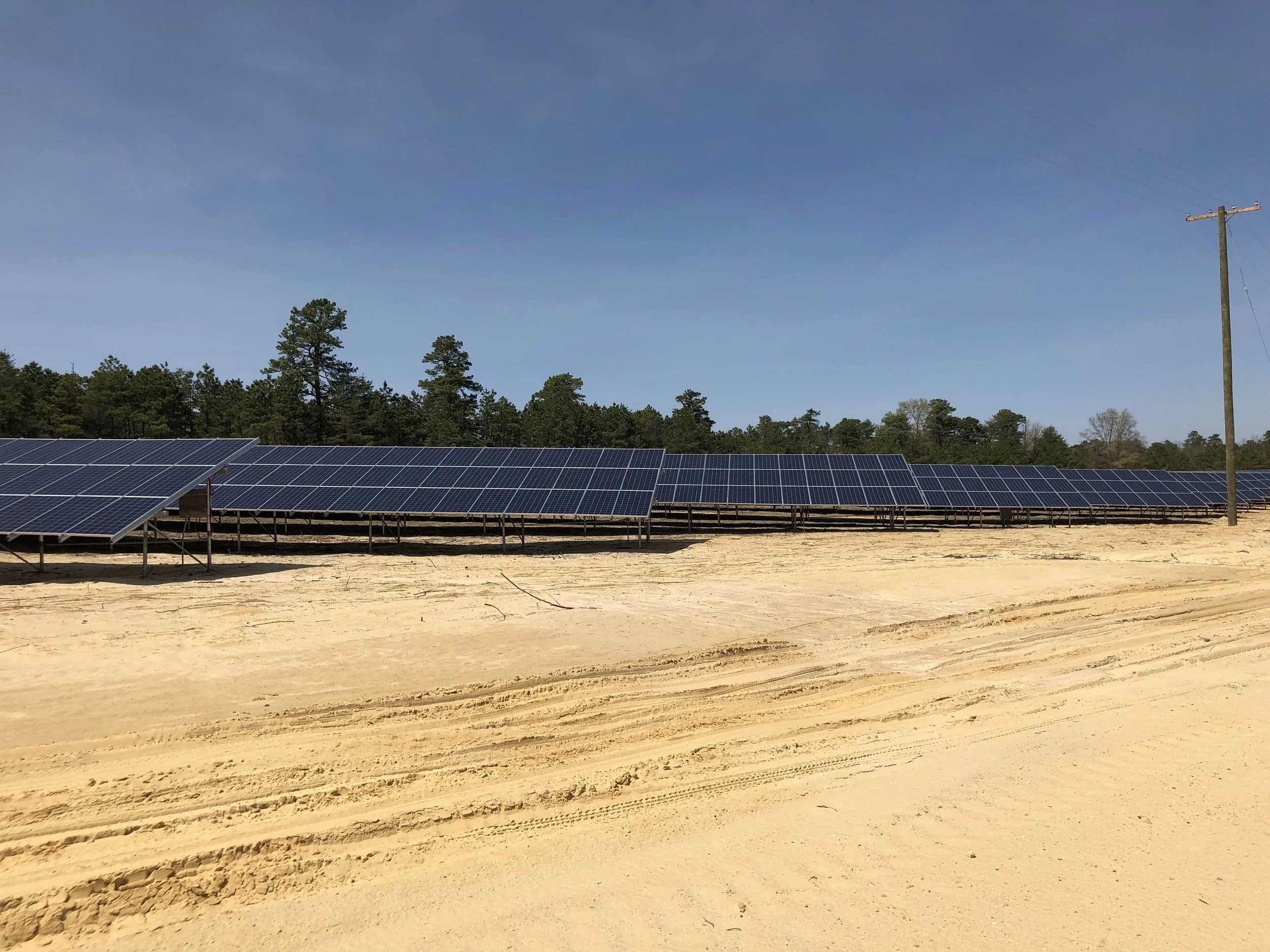
Project Profile: Aztec Materials Electric Dredge and Solar Array
Aztec Materials enlisted Practical Energy Solutions, SSM’s Energy team, to provide comprehensive energy and sustainability services, listed to the right. The site’s operation now leverages an ecologically sound electric dredge powered by a large solar array.
Delaware Valley Concrete, a firm that specializes in producing exceptional-quality concrete and sand products for residential, commercial, and DOT projects. With nine plants located across the region, the firm takes on an impressive initiative to produce the most environmentally friendly concrete they can.
Under the Delaware Valle Concrete umbrella, Aztec Materials, situated on 300 acres of property in Hammonton, NJ is a sand mining operation consisting of a sandpit and, formerly, a diesel crane and dredge. The labor-intensive operation relied heavily on trucks to transport sand across the 300 acre site to screens that filtered our larger pieces.
Aztec Materials enlisted Practical Energy Solutions, SSM’s Energy team, to provide comprehensive energy and sustainability services, listed to the right. The site’s operation now leverages an ecologically sound electric dredge powered by a large solar array.
USDA REAP Energy Efficiency Grant | Our team acquired a $250,000 Renewable Energy for America Program (REAP) grant to purchase a new electric pump/dredge, to eliminate diesel fuel use.
USDA REAP Renewable Energy Grant | The second grant our team acquired for the client was in the amount of $327,000 for a solar photovoltaic array to power close to 100% of initial scope and reduce their environmental footprint. Aztec Materials has since expanded their operations, and the solar array covers the majority of the new total electricity demand. This solar array should last 20 to 25 years.
Project Benefits:
Increased production by around 500%
Reduced energy use and emissions from diesel to electricity
Annual savings of $180,000 in energy costs
Annual savings of $160,000 selling SREC
With energy cost savings, SREC savings and a 30% federal tax credit, the solar array paid for itself in under 4 years. In addition to satisfying a 10-year loan on the solar array, the client will have saved $1.8 million net. Converting the new dredge from grid electricity to solar electricity reduces its environmental impact to almost zero. Considering the towering electricity costs in southern New Jersey, the solar array provides a strong financial and economic benefit for the company, as well as an environmental benefit for the region.
“The solar array paid for itself in under 4 years. Converting the new dredge to solar electricity reduced its environmental impact to almost zero.”

Services Provided:
Grant acquisition services
Calculations on energy savings, energy use reductions and emissions
Engineering analysis
Financial services
Technical and financial review
Cash flow analysis
Life cycle analysis
Land development plan
Erosion and sedimentation control plans
Permitting support
Utility connection coordination
Solar Renewable Energy Credits (SRECs)
Utility contract negotiation
Ongoing SREC quarterly applications
Inspection coordination
Solar array add-ons to monitor output
Reporting
Case Study: Fine-Tuning HVAC Controls Reaps Big Savings
Our Energy and Sustainability Team completed an assessment of BAS settings and algorithms, and a subsequent fine-tuning by the controls contractor, providing a significant and progressive reduction in energy use, resulting in utility bill and environmental savings.
Overview
Practical Energy Solutions (our Energy and Sustainability team) provided both energy benchmarking services and an HVAC building automation system (BAS) controls analysis and modification plan to Springfield Township, in Montgomery County. The project was championed by the Township’s Environmental Advisory Council.
The initial energy benchmark of 3 township buildings identified that two of the buildings, the Free Library and Police/Administration building, were under-performing. This suggested substantial opportunities to improve energy efficiency, leading to full HVAC Controls Analyses of both buildings.
Initial Controls Assessment
The energy team conducted a full assessment of the HVAC operations of both facilities during heating season. The team focused on the BAS controls, since the lighting systems are highly efficient and the building envelope is in good condition due to the relatively young age of the buildings.
The team identified ample opportunities to refine the controls and reduce energy consumption in both buildings. One or two measures required minor programming by the controls contractor, but most of the changes were simple and cost-free to the Township.
Administration/Police Building: Identified seven measures that will conservatively reduce whole-building energy use by one-third, saving nearly $10,000 in annual utility costs and reducing the CO2 pollution by approximately 130,000 pounds every year.
Free Library Building: Similar opportunities that will conservatively produce a 28% energy reduction, annual utility bill savings of approximately $6,200 and CO2 pollution reductions of more than 76,000 pounds annually.
These changes are expected to be highly cost effective and have the same environmental impact as planting nearly 4,800 mature trees or removing 21 passenger cars from the road.
Follow-up Assessment
After two years, a second benchmark of whole-building energy performance of both facilities showed a clear and positive trend to reduced energy use. After partial implementation of recommendations, whole-building energy use in the Administration/Police and Library buildings has dropped 25% and 17% respectively, after normalizing for variations in weather climate. A second phase of BAS modifications is now underway, and we fully anticipate further, substantial energy and utility bill savings.
Here to Help | Paul Spiegel | Director, Energy and Sustainability Services | paul.spiegel@ssmgroup.com
Leaders in Municipal Energy Services
More than ever before, community leaders are under increasing pressure to institute green practices, and sustainable operations. SSM’s Energy and Sustainability Services team is a recognized leader in the Municipal Energy Services arena. Some of the largest municipal entities in the region have used our services, as have some of the smallest. Our team is unmatched by many similar firms in the area. Not only for their expertise, but for their experience.
Our firm has a 90-year history of being at the front of what our clients need.
In 1967, Lewis J. McCoy opened an individual engineering practice because he believed “everyone deserves clean water.” 5 years later, the Clean Water Act was amended into law. We were ready.
In 1968, Charles Stevens became a partner in the firm, bringing 24 years of environmental and air pollution experience. 2 years later, the Clean Air Act took effect. We were ready.
Our municipal roots date back to Walter Spotts, who served as the Owner and President of an engineering and consulting firm based solely on providing services to municipalities. Today, municipal leaders are embarking on their newest undertaking: to lessen their environmental impact and increase their energy efficiency. We are ready.
Practical Energy Solutions, the Energy Team at SSM
Our Energy and Sustainability Team, Practical Energy Solutions, is not only a leader in the field, but a well-known and trusted advisor for some of the largest municipal entities in the region as well as some of the smallest.
To date, we have completed energy audits on more than 200 municipal facilities. And, more than half of our division’s work each year is for municipalities. Our current and past clients include The City of Philadelphia, The State of Delaware, Chester County, PA, The City of Coatesville, Tredyffrin Township, and more than 80 other municipalities.

Our team recognizes that local governments are setting ambitious energy efficiency and renewable energy goals while also prioritizing the needs of their community and stakeholders. More than ever before, community leaders are under increasing pressure to institute green practices, and sustainable operations. Whether navigating a commitment to reach 100% clean energy or managing implementation of aggressive clean energy goals – we pride ourselves on understanding how to help communities get there.
Our team outshines many similar firms in the area. Not only in expertise, but in experience. We have worked on programs supported by Pennsylvania DEP’s Energy Programs Office, we’ve served on planning commissions, volunteered with energy groups, and even supported advocacy initiatives related to energy policy.
Our work is often used as the template or case study for future energy initiatives both locally and regionally. It’s safe to say we’re the team that “wrote the book” on municipal energy best practices and implementation.
Our team’s capacity to combine both financing expertise with engineering expertise is an invaluable skillset. In short, we tell you what you need, but we also help you get it. From assistance with navigating the financial commitment to system design and modeling, and even coordination as a start-to-finish advisor - we always get the job done.

You Need to Know
There’s one thing we want municipal leaders to know about our energy services: Yes, it is for you.

There’s little argument to the benefits of addressing your building and community’s environmental impact. However, community leaders are often concerned about the fiscal and logistical resources needed to commit to these goals. The truth is, we’ve helped many of our clients discover that they’re actually expending more of those resources by not addressing the energy use in their buildings. And yes, this includes fiscal resources.
Adopting sustainable measures and auditing the energy efficiency of your buildings doesn’t necessarily mean depleting your funds to invest in new systems. We’ve helped clients identify ways to save thousands of dollars annually with simple system adjustments. Some that are no cost to implement.
And for those that would benefit further from a more adept system upgrade, we’ve aided those clients in acquiring the funding and financial incentives they need to make those changes happen. Our team has found hundreds of thousands of dollars over fifteen years of providing energy consulting and design services.
As a firm, we believe our purpose is to help you stick to yours. We like to say that what we do best is find seamless, and timely solutions – so that you get to focus on what it is that you do best. We have 90 years of helping our clients’ visions come true. Ninety years of assisting our clients in the planning, growth, and well-being of their communities. Ninety years of being ready.

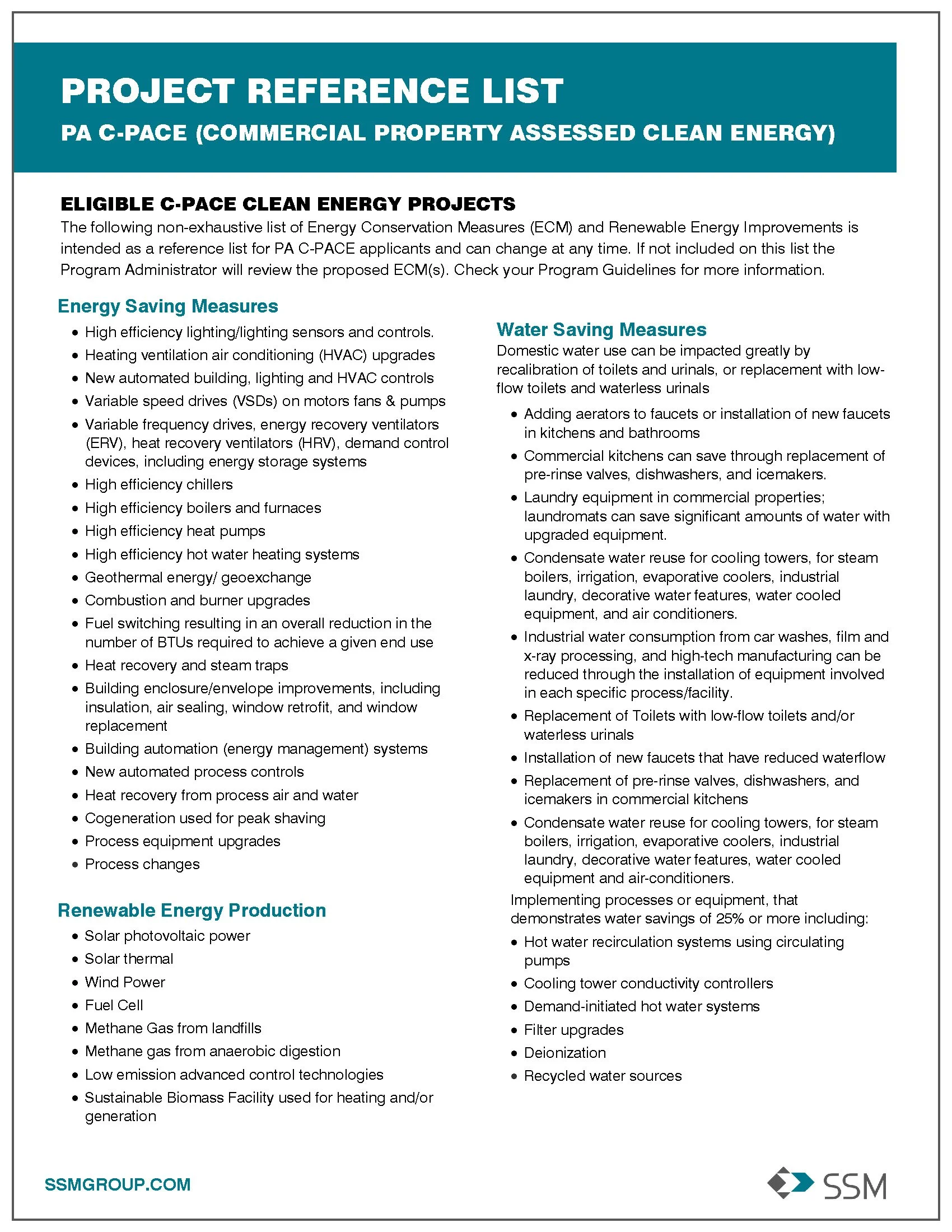


Financing Opportunity: Pennsylvania C-Pace (Commercial Property Assessed Clean Energy)
About the program: Commercial Property Assessed Clean Energy (C-PACE) is a financial tool for property owners to obtain low-cost, long-term financing for energy efficient equipment, renewable energy, and water conservation projects.
Commercial Property Assessed Clean Energy (C-Pace)
About the program:
Commercial Property Assessed Clean Energy (C-PACE) is a financial tool for property owners to obtain low-cost, long-term financing for energy efficient equipment, renewable energy, and water conservation projects.
About the program:
With C-PACE, building owners can enjoy the advantages of energy upgrades immediately and pay for them over time through a voluntary assessment lien that is repaid annually along with municipal property taxes. C-PACE can provide up to 100% funding of total project costs including equipment, labor, and soft costs. Because C-Pace is attached to a property assessment, it is a very secure form of financing.
Properties eligible for C-PACE in Pennsylvania:
Commercial, industrial and agricultural properties can access C-PACE if the county has adopted the C-PACE resolution.
The program guidelines adopted by a county will set forth the parameters for how a clean energy project can qualify for both new construction and a retrofit of qualified properties.
Finance:
Loans through the C-PACE program can be made to any property owner in good standing located in a participating county. Funding for the loan can come from “any public or private financing note, mortgage, loan, deed of trust, instrument, refunding note, or other evidence of indebtedness or obligation used to finance a qualified project.” While loans in other states are generally made from private equity capital providers, Pennsylvania is an open market so the property owner can borrow from a firm of their choice.
Administration:
Owners of commercial and agricultural properties that would like to improve their properties to save energy, conserve water, and/or generate renewable electricity should check the Sustainable Energy Fund (SEF) website or ask your Energy Consultant if C-PACE financing is available in your county or area. (Note: The Program Administrator for City of Philadelphia properties is Philadelphia Energy Authority, not SEF)
Here to Help:
The SSM Energy and Sustainability team provides technical support for C-Pace Philadelphia and is a partner of the Sustainable Energy Fund’s Service Provider Network.
Paul Spiegel, PE, LEED AP | paul.spiegel@ssmgroup.com
Building Energy Performance Program deadline is approaching
If you are a commercial building owner in the City of Philadelphia, you may be required to comply with a recent regulation called the Building Energy Performance Program (BEPP). This ordinance requires owners of buildings over 50,000 sf to do a "building tune-up" every 5 years. The tune-up is a review of maintenance and operations of primary energy using equipment like HVAC and lighting. The deadline for buildings over 100,000 sf is coming fast - September 30, 2022.
The Building Energy Performance Program, created through Building Energy Performance Policy aims to achieve efficient energy and water use in the largest non-residential buildings in Philadelphia.
Like cars, buildings need occasional tune-ups to keep them running smoothly and efficiently. A building tune-up requires a review of energy systems and controls and minor tweaks to bring them up to a good state of performance. On average, these tweaks result in 10–15% annual energy savings for a building. They also provide a more comfortable space for tenants. This policy is projected cut carbon pollution in Philadelphia by nearly 200,000 metric tons. This reduction is equivalent to taking 40,000 automobiles off our roads.
Who is impacted?
Owners of any non-residential building with indoor floor space of at least 50,000 square feet of indoor floor space must comply with the policy.
Who is not included?
- Residence halls, dormitories, and other non-transient large lodging places
- Parking lots and parking garages, or the portions of otherwise covered buildings used for parking
How do I comply?
Buildings must comply every 5 years from their compliance date.
Buildings have three options for compliance.
- Conduct a “tune-up” of existing building systems
- Certify high performance
- Receive an exemption
Qualified tune-up specialists:
If conducting tune-ups, building owners must hire approved tune-up specialists to lead their building system assessments and sign off on tune-up reports. In-house or contracted service providers may complete the corrective actions, however, the final tune-up report must be verified and signed by the qualified tune-up specialist.
Spotts, Stevens and McCoy has four certified tune-up specialists on our staff, ready and able to assist in compliance with this regulation.
What is a building tune-up?
The Building Tune-Up is an assessment of existing base building systems and corrective actions to bring the systems up to a state of good repair. The assessment includes all systems of the building that use energy or impact energy consumption.
- HVAC Operations and Controls
- Lighting System Assessment
- Building System Maintenance and Repairs
- Domestic Hot Water and Water Usage
- Building Envelope
The tune-up includes:
- Billing analysis.
- Assessment of Elements: HVAC Operations and Controls, Lighting System Assessment, Building System Maintenance and Repairs, Domestic Hot Water and Water Usage, and Building Envelope
- Determination and Implementation of Corrective Actions
- Post implementation assessment
- Final Tune-up Report
Here to Help:
Energy and Sustainability Services
Paul Spiegel, PE, LEED AP | paul.spiegel@ssmgroup.com
Alternative Fuels incentive Grant is Open
An investment is being made not only in alternative fuels, but the deployment of alternative fuel vehicles, fleets, and technologies.

Paul Spiegel, PE, LEED AP
Lindsey Walaski, CEM, LEED AP
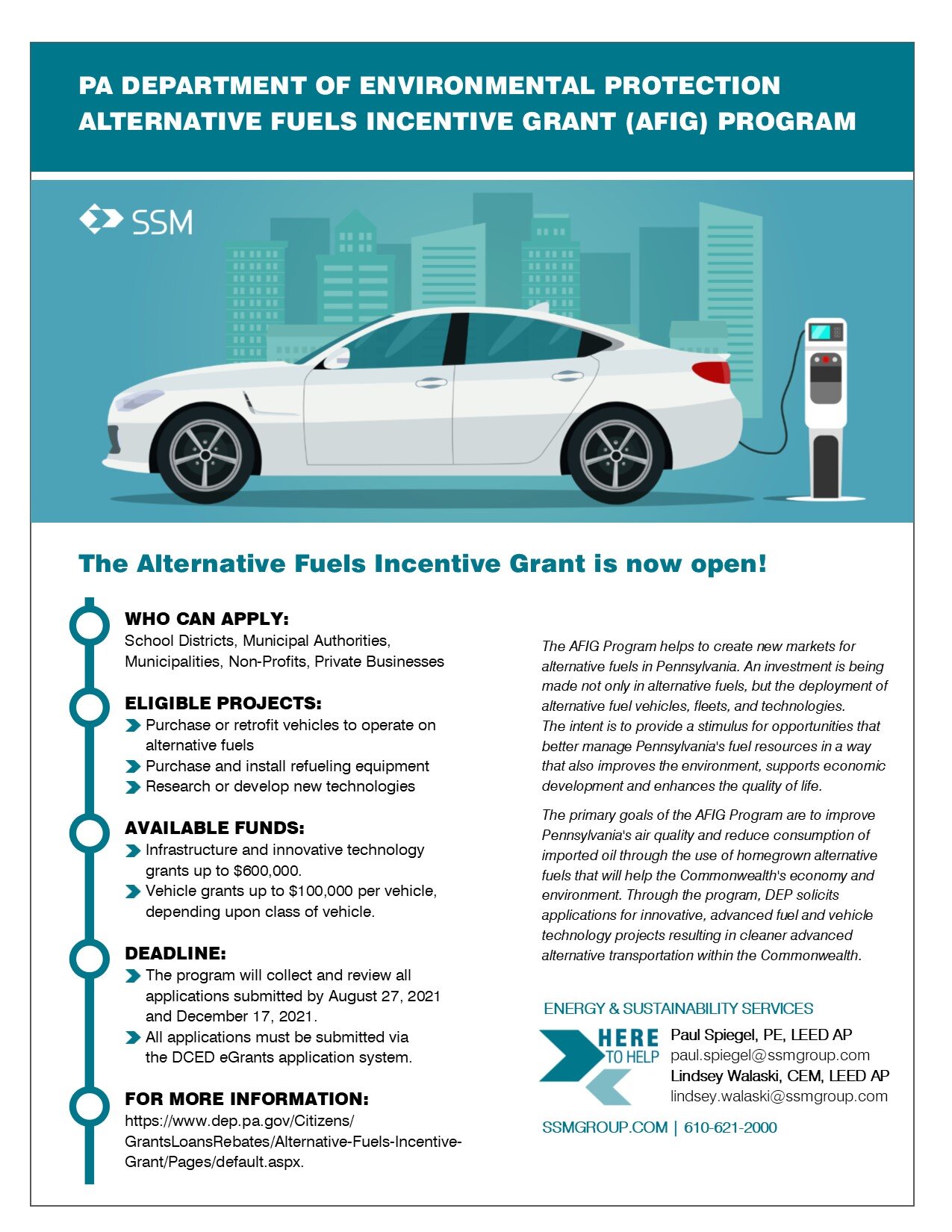

PA Department of Environmental Protection - Alternative Fuels Incentive Grant (AFIG) Program
The AFIG Program helps to create new markets for alternative fuels in Pennsylvania. An investment is being made not only in alternative fuels, but the deployment of alternative fuel vehicles, fleets, and technologies. The intent is to provide a stimulus for opportunities that better manage Pennsylvania's fuel resources in a way that also improves the environment, supports economic development and enhances the quality of life.
The primary goals of the AFIG Program are to improve Pennsylvania's air quality and reduce consumption of imported oil through the use of homegrown alternative fuels that will help the Commonwealth's economy and environment. Through the program, DEP solicits applications for innovative, advanced fuel and vehicle technology projects resulting in cleaner advanced alternative transportation within the Commonwealth.
WHO CAN APPLY:
School Districts, Municipal Authorities, Municipalities, Non-Profits, Private Businesses
ELIGIBLE PROJECTS:
Purchase or retrofit vehicles to operate on alternative fuels
Purchase and install refueling equipment
Research or develop new technologies
AVAILABLE FUNDS:
Infrastructure and innovative technology grants up to $600,000.
Vehicle grants up to $100,000 per vehicle, depending upon class of vehicle.
DEADLINE:
The program will collect and review all applications submitted by August 27, 2021 and December 17, 2021.
All applications must be submitted via the DCED eGrants application system.
FOR MORE INFORMATION:
Are you Ready?
This year, resolve to create lasting change in the world by adopting a resolution focused on reducing energy usage. From your home or workplace, to your community- we challenge you to get ready to deal with your energy consumption. For the sake of the year, but also for the sake of all the years to come.

Make it a better year by making it a better world. For many, we begin a new year with resolutions to create change, to reach new goals, and to establish new ways of life.
This year, resolve to create lasting change in the world by adopting a resolution focused on reducing energy usage. From your home or workplace, to your community- we challenge you to get ready to deal with your energy consumption. For the sake of the year, but also for the sake of all the years to come.
Quick & Easy Tips for the Home
Use energy-efficient LED light bulbs in your fixtures to use 75% less energy than with regular incandescent bulbs.
Clean or replace air filters as recommended, typically every 3-6 months. Already the biggest energy users in the home, your air conditioner and heater have to work harder with dirty air filters.
Run full loads in both the dishwasher and the washing machine to realize the most energy savings from the cycle.
Set your thermostats back when you leave your home so your heating equipment is not unnecessarily used. This will keep your energy costs low, and reduce the operating time for your equipment.
Turn off and unplug your devices when not used. Devices like TVs, computers, and printers all use electricity even when they turned off and are plugged into the wall.
Energy Conservation in the Community
In communities across the country, The Sierra Club is building local grassroots power to achieve 100% clean energy for all. Ready For 100 is a national movement with a vision of resilient and healthy communities powered by 100% clean, renewable energy. The Ready for 100 program works with cities and towns to achieve an equitable and just transition to 100% clean, renewable energy for all. Learn More at www.sierraclub.org/take-action.
Get Ready
Energy benchmarking is a great way to establish your starting point. Benchmarking established a metric for measuring performance. It compares the performance of your building to a standard or comparable building. Benchmarking identifies your opportunities for improvement and provides a baseline for comparison in the future.
Energy audits are a more detailed evaluation of your building that identify specific projects to improve the building’s energy performance. Energy audits study the operations, inventories the primary energy-using equipment, evaluates existing equipment, and assesses potential savings and financial returns.
Implementing Energy Savings in the Workplace through Building Tune-Up
The City of Philadelphia recently implemented regulations pertaining to the Building Energy Performance Policy. The goal of the policy is to increase tenant comfort while decreasing energy costs and carbon emissions. The City anticipates implementation of the policy will reduce annual carbon pollution by nearly 200,000 metric tons.
The policy focuses on improving building performance by identifying non-capital improvements to the operations and maintenance of existing systems. This approach can be used by any building owner to decrease energy costs while maintaining comfort. The tool is a Building Tune-Up. An assessment of existing base building systems and corrective actions to bring the systems up to a state of good repair.
Elements of the Tune-Up
Billing analysis
Assessment of elements: HVAC operations and controls, lighting system assessment, building system maintenance and repairs, domestic hot water and water usage, building envelope
Determination and implementation of corrective actions
Post-implementation assessment
Final tune-up report
Team Members named Tune-Up Specialists
The City’s newly implemented Building Energy Performance Policy (BEEP) requires a “tune-up specialist” lead all tune-up assessments and sign-off on all tune-up reports submitted to the City’s Office of Sustainability (OOS). Tune-up Specialists must meet certain requirements as set forth by the OOS.
Our team of approved tune-up specialists:
Paul Spiegel, PE, LEED AP, Director, Energy and Sustainability Services
Benjamin Pressman, PE BESM, Project Mechanical Engineer
Lindsey Walaski, LEED AP, CEM, Project Mechanical Engineer
Discussion Topics:
What is Source Water Protection?
Where to find protection zone information
Concerns with potential contamination issues and follow-up information
Managing Risks
Resources for education of customers and residents