
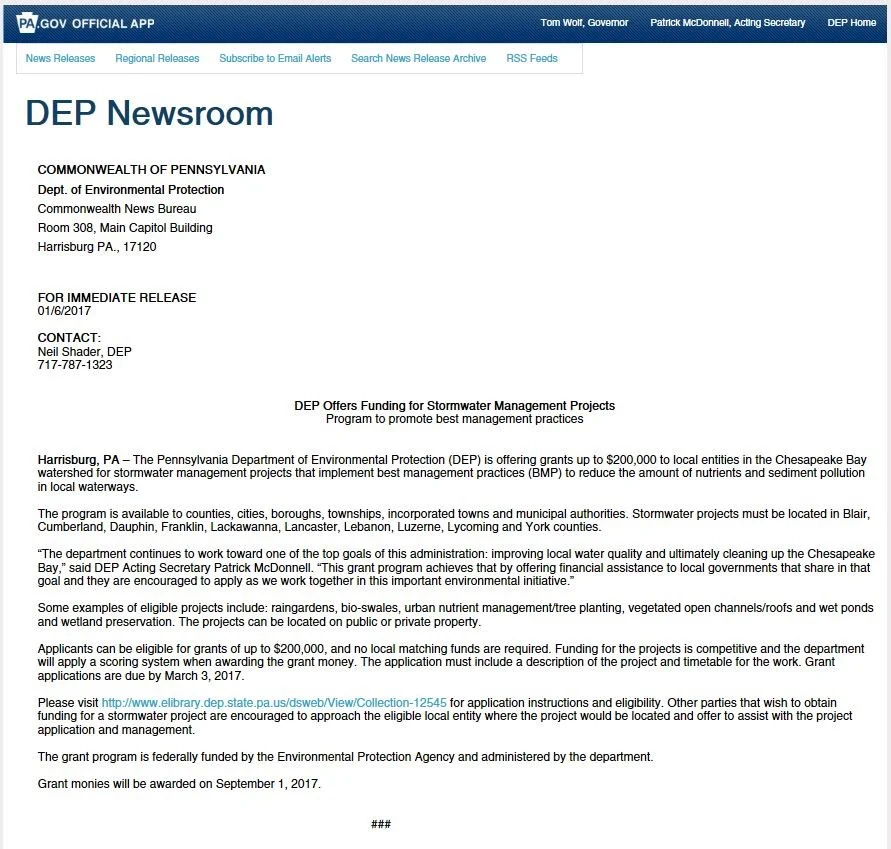
DEP Offers Funding for Stormwater Management Programs
The Pennsylvania Department of Environmental Protection (DEP) is offering grants up to $200,000 to local entities in the Chesapeake Bay watershed for stormwater management projects that implement best management practices (BMP) to reduce the amount of nutrients and sediment pollution in local waterways.

DOWNLOAD ARTICLE
Harrisburg, PA – The Pennsylvania Department of Environmental Protection (DEP) is offering grants up to $200,000 to local entities in the Chesapeake Bay watershed for stormwater management projects that implement best management practices (BMP) to reduce the amount of nutrients and sediment pollution in local waterways.
The program is available to counties, cities, boroughs, townships, incorporated towns and municipal authorities. Stormwater projects must be located in Blair, Cumberland, Dauphin, Franklin, Lackawanna, Lancaster, Lebanon, Luzerne, Lycoming and York counties.
“The department continues to work toward one of the top goals of this administration: improving local water quality and ultimately cleaning up the Chesapeake Bay,” said DEP Acting Secretary Patrick McDonnell. “This grant program achieves that by offering financial assistance to local governments that share in that goal and they are encouraged to apply as we work together in this important environmental initiative.”
Some examples of eligible projects include: raingardens, bio-swales, urban nutrient management/tree planting, vegetated open channels/roofs and wet ponds and wetland preservation. The projects can be located on public or private property.
Applicants can be eligible for grants of up to $200,000, and no local matching funds are required. Funding for the projects is competitive and the department will apply a scoring system when awarding the grant money. The application must include a description of the project and timetable for the work. Grant applications are due by March 3, 2017.
Please visit http://www.elibrary.dep.state.pa.us/dsweb/View/Collection-12545 for application instructions and eligibility. Other parties that wish to obtain funding for a stormwater project are encouraged to approach the eligible local entity where the project would be located and offer to assist with the project application and management.
The grant program is federally funded by the Environmental Protection Agency and administered by the department.
Grant monies will be awarded on September 1, 2017.
FOR MORE INFORMATION: Mark Stabolepszy, PE Director Municipal Engineering and Planning

SSM at forefront in use of drones
Drone Technology. Pilots Earn Certification: Two members of the SSM Survey team: Chris Snyder, PLSand Steve Smith have received their certification as Drone Pilots.

Lehigh Valley Business Journal
November 15, 2016
It took a while to get off the ground, but flight is might for SSM Group, Inc. of Wyomissing. The engineering firm last December acquired its long-awaited drone, a DJI Inspire 1 Pro model. And just last month, SSM began using the unmanned aircraft unit to benefit its clients. Read the full article
FOR MORE INFORMATION: Steve Smith, PLS
Is Your Community Connected?
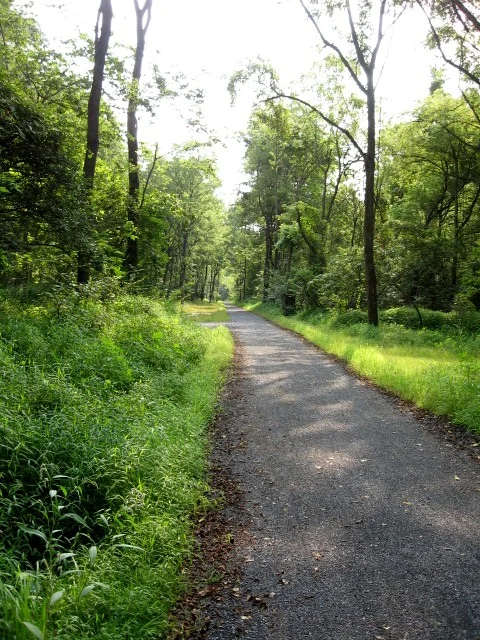
A greenway, open space and trail network connects people to nature, each other, village and town centers, parks, historic sites, and the other resources found in your community.

A greenway, open space and trail network connects people to nature, each other, village and town centers, parks, historic sites, and the other resources found in your community. It also helps connect us to ourselves by providing opportunities for quiet time and reflection.
Individual health is promoted by providing opportunities for walking, bicycling and jogging; but providing green infrastructure also promotes community health by increasing the quality of life, contributing to economic development, providing an alternative means of transportation, protecting landscapes, and protecting wildlife habitats.
Planning a greenway, open space and trail network provides opportunities for your residents and visitors to stretch their legs, but is also vital to protecting natural resources and can contribute to economic revitalization, and encourage tourism. Such planning can be done as a component of a comprehensive plan or as a stand-alone plan.
A greenway is a corridor of open space, and can take the form of a conservation greenway, recreational greenway, riparian buffer, landscape corridor, or greenbelt around a developed area. Ideally, there will be a continuous system of greenways planned throughout the community.
The network plan itself includes an inventory of existing resources, a vision, mapping of the network and destinations, and an action program to realize the vision. The action program is critical to implementing the plan, and typically includes recommendations for zoning and subdivision and land development ordinance amendments to protect open space and facilitate completion of the trail system, official mapping of target open areas, recreational facilities, and trails, and other greenway preservation and trail construction strategies.
SSM can help you keep your community connected.

For an Energetic and Strong Community: Let SSM be your Personal Trainer
Let SSM be your personal trainer. Take advantage of our experience to build a strong and healthy community park system.
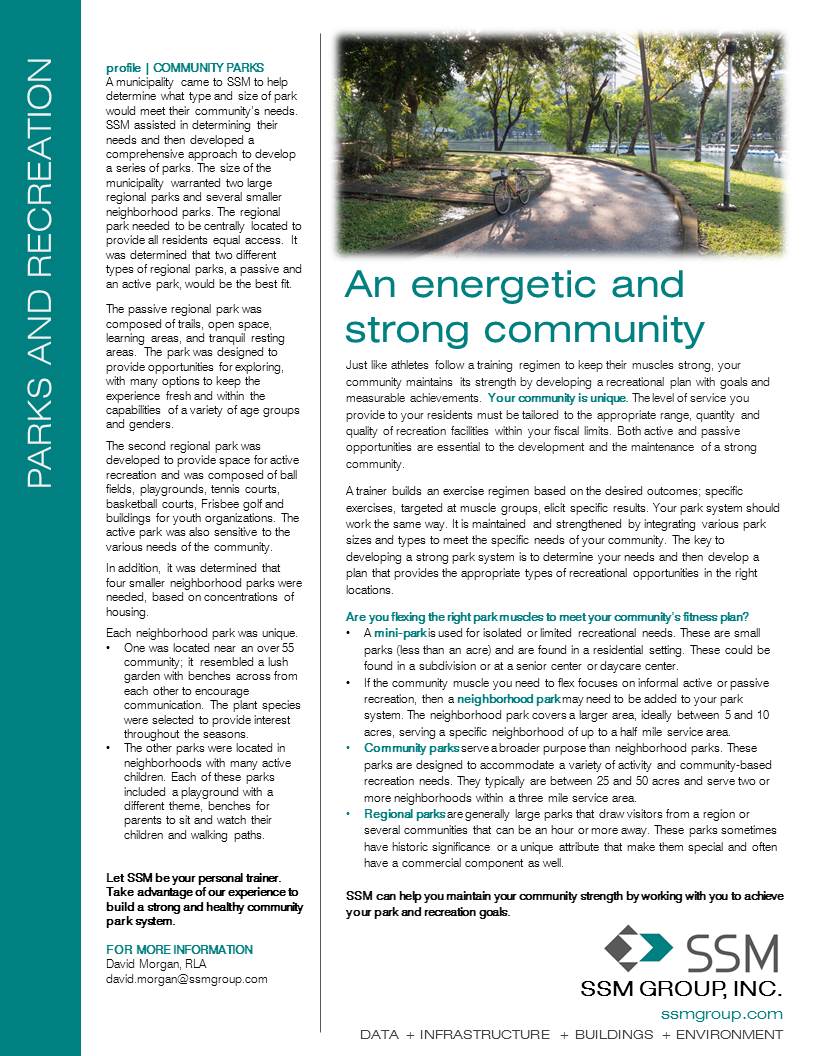
Let us be your personal trainer. Take advantage of our experience to build a strong and healthy community park system.
Just like athletes follow a training regimen to keep their muscles strong, your community maintains its strength by developing a recreational plan with goals and measurable achievements. Your community is unique. The level of service you provide to your residents must be tailored to the appropriate range, quantity and quality of recreation facilities within your fiscal limits. Both active and passive opportunities are essential to the development and the maintenance of a strong community.
A trainer builds an exercise regimen based on the desired outcomes; specific exercises, targeted at muscle groups, elicit specific results. Your park system should work the same way. It is maintained and strengthened by integrating various park sizes and types to meet the specific needs of your community. The key to developing a strong park system is to determine your needs and then develop a plan that provides the appropriate types of recreational opportunities in the right locations.
Are you flexing the right park muscles to meet your community’s fitness plan?
- A mini-park is used for isolated or limited recreational needs. These are small parks (less than an acre) and are found in a residential setting. These could be found in a subdivision or at a senior center or daycare center.
- If the community muscle you need to flex focuses on informal active or passive recreation, then a neighborhood park may need to be added to your park system. The neighborhood park covers a larger area, ideally between 5 and 10 acres, serving a specific neighborhood of up to a half mile service area.
- Community parks serve a broader purpose than neighborhood parks. These parks are designed to accommodate a variety of activity and community-based recreation needs. They typically are between 25 and 50 acres and serve two or more neighborhoods within a three mile service area.
- Regional parks are generally large parks that draw visitors from a region or several communities that can be an hour or more away. These parks sometimes have historic significance or a unique attribute that make them special and often have a commercial component as well.
SSM can help you maintain your community strength by working with you to achieve your park and recreation goals.

Source Water Plan Updates
If your source water protection plan was developed four or more years ago, new tools and technology can improve your plan and make a positive impact on source water protection.

Over the last 10 years, many community water systems participated in various source water protection programs offered by the PA Department of Environmental Protection.
These programs provided free technical assistance for a rigorous delineation of multiple water sources, identification of potential sources of contamination, and the development of a professional plan to address water quality issues. As these plans become older, many aspects of the plan become outdated or not applicable to current practices. If your plan was developed four or more years ago, new tools and technology can improve your plan and make a positive impact on source water protection.
SSM offers a menu of services that keeps your Source Water Protection Plan relevant to your system’s present needs. By using technology advances such as improved Geographic Information Systems (GIS) capability and new publicly-available information, your plan can be on the cutting edge of protection strategies.
- Enhanced groundwater and surface water computer modeling. Is there a particular concern in your area? SSM can use your plan delineation to model flow from a particular operation, or use a more rigorous computer model to track specific contaminants to your water sources.
- Review and update potential sources of contamination (PSOC) inventory. PSOCs can change quickly. Using updated databases, we will help you identify and analyze important changes in PSOCs that may affect your water sources.
- Resource extraction mapping for oil & gas wells and mining areas. SSM can research unconventional well development in your area for the best protection of your groundwater sources.
- Land-use analysis. Current sources of information can help map existing non-point source activities in your protection zones, such as residential, agriculture, and industrial areas.
- Review and add management options that update your system’s strategies for protecting your water sources. Management strategies should be evaluated regularly to ensure they are effective in protecting your water sources.
- Reinvigorate your steering committee. SSM can assist with organizing and conducting strategy meetings that brings new ideas and partners together to improve your plan.
- Contingency planning. After the January 2014 contamination incident in the Elk River and other events , Disaster Planning is the new hot topic. SSM staff can help develop partnerships with emergency responders and early warning networks through training and GIS assistance.
- Update your plan components. SSM can write an addendum to your existing plan, bringing all of your priorities and updates together in one, concise report.
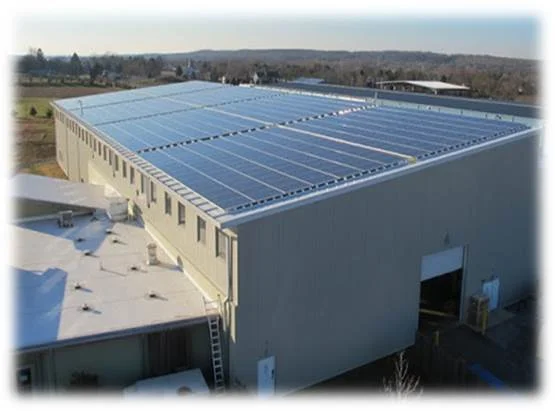
A great time to explore Solar opportunities in PA
Why Solar Now in PA? Prices for solar systems have fallen by nearly 60% over the past five years. The lowered prices combined with incentives currently available make solar particularly attractive.

WHY NOW?
Prices for solar systems have fallen by nearly 60% over the past five years. The lowered prices combined with incentives currently available make solar particularly attractive
SSM Group, Inc and RER Energy Group, LLC are offering a seminar on solar photovoltaic energy for commercial, industrial, and municipal enterprises to explore the current opportunities in Pennsylvania.
WHO SHOULD ATTEND? The seminar will benefitbusiness owners, municipal officials, and all personnel who are responsible for managing electrical energy systems and associated costs.
ON THE AGENDA
Financial Incentives and Options
Federal Tax Credit: 30% of project costs
Accelerated Depreciation: 5 years (50% in the first two years)
Financing Options and PPA’s (Purchase Power Agreements)
Effective cost of energy for businesses: $0.03–$0.05 per kWh for next 25–35 years!
Technology Best Practices and Case Studies
Equipment and Installation Options
Utility Interconnection and Net Metering Considerations
Case Study Examples
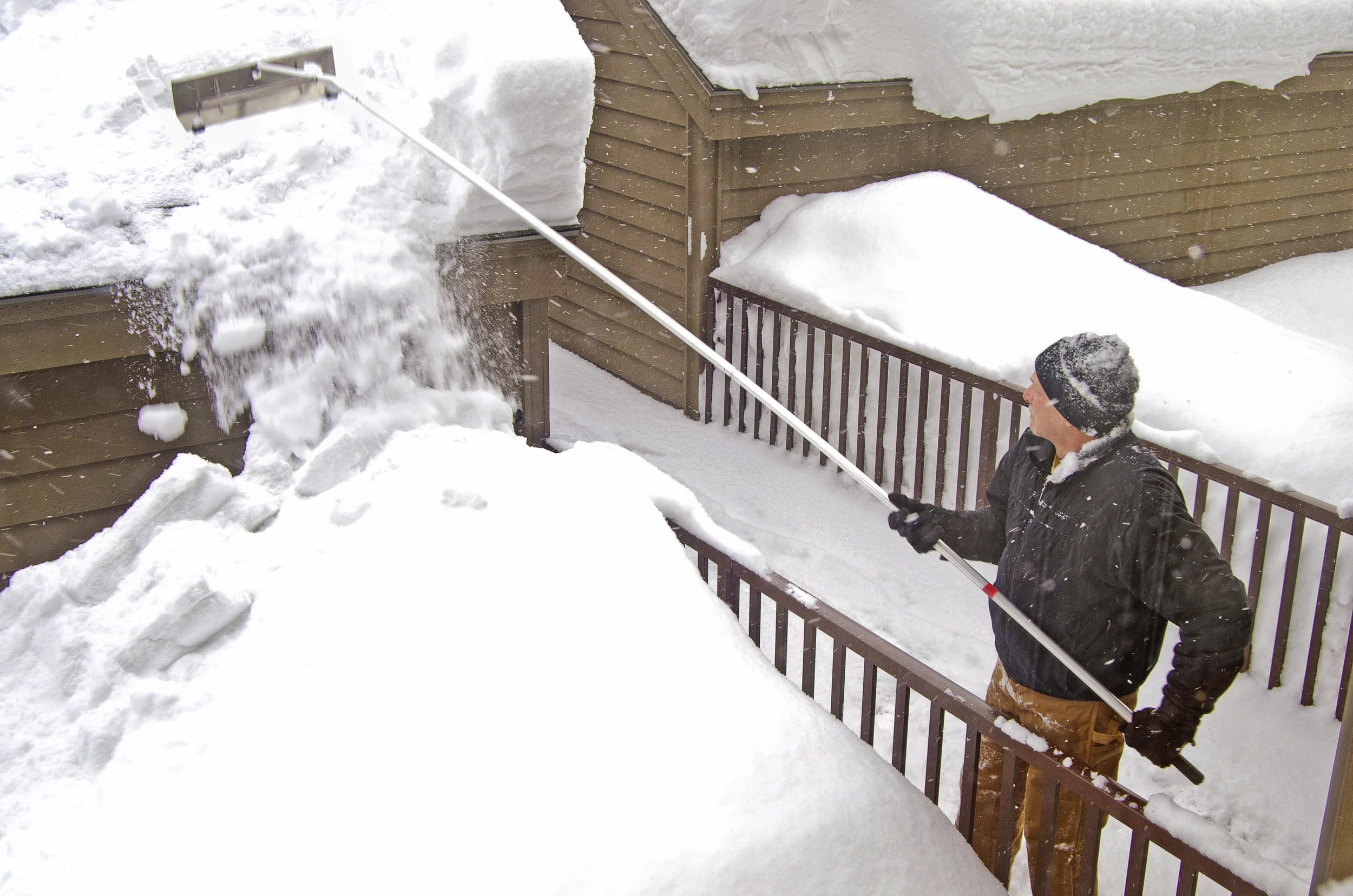
Snow and Your Roof
The snow is deep and as the weather begins to creep out of freezing, the addition of rain or snow melt into the mix can become a real threat. While all exposed roofs could be at risk, older flat roofs and roofs with poor drainage are the most susceptible to collapse due to snow.

With winter weather well under way, we can't help but raise our eyes to our roofs, and notice the snow piling up. The snow is getting deeper, and as the weather begins to creep out of freezing, the addition of rain or snow melt into the mix can become a real threat. While all exposed roofs could be at risk, older flat roofs and roofs with poor drainage are the most susceptible to collapse due to snow.
Newer roofs should have been designed for the minimum snow load as prescribed in the International Building Code, and the ASCE 7 – Minimum Design Loads for Buildings and Other Structures. Typically in the Berks County area, the design ground snow load is 30 pounds per square foot (PSF), which equates to just over 20 inches of dense snow. Additional snow load needs to be considered where snow from an adjacent sloped roof can slide onto a lower roof. Also, additional load from drifting snow must be considered when portions of the roof abut parapets, roof top equipment or higher roofs. Lastly, rain-on-snow surcharge can add 5 PSF for every inch of rain that is retained on the roof by the snow or poor drainage.
If you think your roof is at risk, you should contact a structural engineer to evaluate your roof condition. It may be necessary to remove some of the accumulated snow, clear roof drains, or provide temporary shoring to lessen the burden on the structural members. The removal of snow can be very dangerous, and is a job best left to a professional.
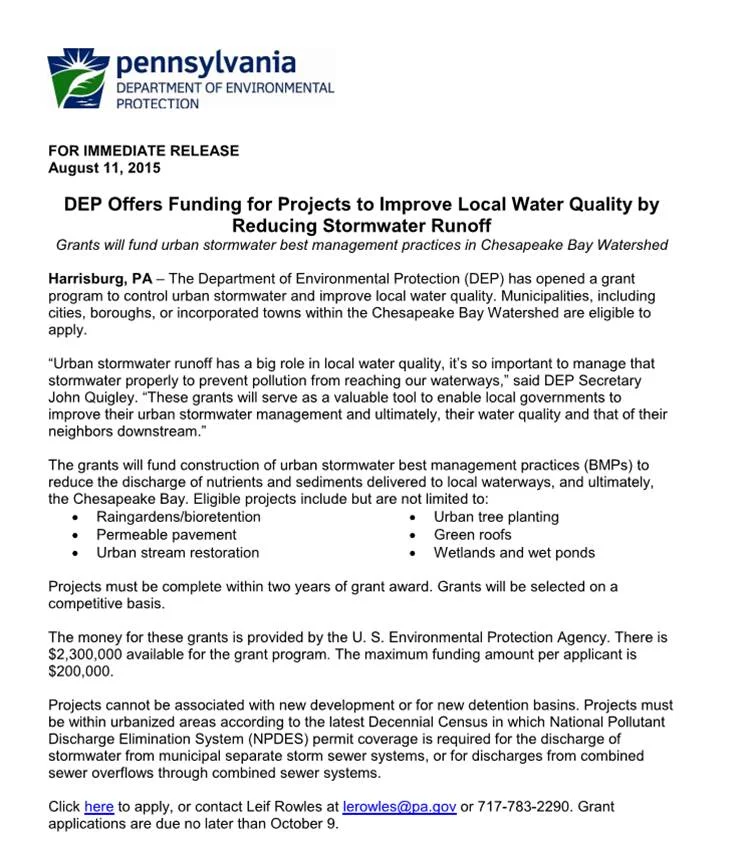
DEP Offers Funding for Projects to Improve Local Water Quality by Reducing Stormwater Runoff
Grant Opportunity: Municipalities, including cities, boroughs, or incorporated towns within the Chesapeake Bay Watershed are eligible to apply.

Grants will fund urban stormwater best management practices in Chesapeake Bay Watershed
HARRISBURG, PA -- The Department of Environmental Protection (DEP) has opened a grant program to control urban stormwater and improve local water quality. Municipalities, including cities, boroughs, or incorporated towns within the Chesapeake Bay Watershed are eligible to apply.
“Urban stormwater runoff has a big role in local water quality, it’s so important to manage that stormwater properly to prevent pollution from reaching our waterways,” said DEP Secretary John Quigley. “These grants will serve as a valuable tool to enable local governments to improve their urban stormwater management and ultimately, their water quality and that of their neighbors downstream.”
The grants will fund construction of urban stormwater best management practices (BMPs) to reduce the discharge of nutrients and sediments delivered to local waterways, and ultimately, the Chesapeake Bay. Eligible projects include but are not limited to:
• Raingardens/bioretention
• Permeable pavement
• Urban stream restoration
• Urban tree planting
• Green roofs
• Wetlands and wet ponds
Projects must be complete within two years of grant award. Grants will be selected on a competitive basis.
The money for these grants is provided by the U. S. Environmental Protection Agency. There is $2,300,000 available for the grant program. The maximum funding amount per applicant is $200,000.
Projects cannot be associated with new development or for new detention basins. Projects must be within urbanized areas according to the latest Decennial Census in which National Pollutant Discharge Elimination System (NPDES) permit coverage is required for the discharge of stormwater from municipal separate storm sewer systems, or for discharges from combined sewer overflows through combined sewer systems.
Grant applications are due no later than October 9.
FOR MORE INFORMATION
COMMONWEALTH OF PENNSYLVANIA
Dept. of Environmental Protection
Commonwealth News Bureau
Room 308, Main Capitol Building
Harrisburg PA., 17120
CONTACT: Amanda Witman, DEP, 717-787-1323
CONTACT: Leif Rowles at lerowles@pa.gov or 717-783-2290.
SSM GROUP: Mark Stabolepszy, PE, Vice President Municipal Engineering and Planning
Protecting your water begins with your land
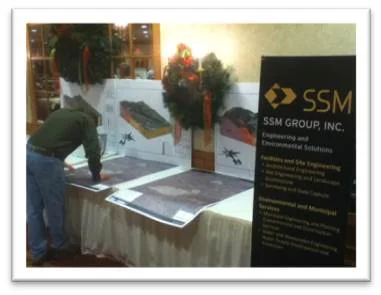
The Eastern Lancaster County (ELANCO) Source Water Collaborative hosted a workshop entitled, Protecting Your Water Begins with Your Land. The workshop invited government, the local farming community, and environmental organizations to comingle and learn about new findings in farming best management practices.

Elanco Source water collaborative
ELANCO Source Water Collaborative
The Eastern Lancaster County (ELANCO) Source Water Collaborative hosted a workshop entitled, Protecting Your Water Begins with Your Land. The workshop invited government, the local farming community, and environmental organizations to co-mingle and learn about new findings in farming best management practices.
Although the theme of the workshop was farming best management practices, the underlying theme in each presentation was communication. Whether it was a member of a federal agency, a conservation organization or a representative of the Mennonite community, each person that spoke promoted respecting differences, seeing from all points of view and coming together to work towards a better balance of environmental conservation and profit maximization.
The event’s keynote speaker, Ray Archuleta promoted soil health in an informative way that simply made sense. Using fantastic demonstrations, he showed how conventional farming techniques strip the soil of nutrients and the ability to form aggregates and hold water. By improving the health of the soil, not only do we increase farmers’ yields, but we also prevent soil runoff and erosion, improving our water quality. Ray’s speech was so engaging that during the exhibition session, farmers crowded around him to discuss the topics further.
The workshop was an eye opener, not only for the community, who was there to learn about, or possibly criticize, the suggestions the workshop was providing, but to the educators, environmental activists, vendors and agency workers. No one in the room expected such a successful workshop and for so many different people to get along so wonderfully. It really inspired hope that we can work together on these critical issues.
If you’d like more information on soil health, you can check out some of Ray’s demonstrations on his Vimeo page at http://www.vimeo.com/channels/raythesoilguy.
The videos are short (about a minute for most) but really do say a lot.