
Spottlight on Resources
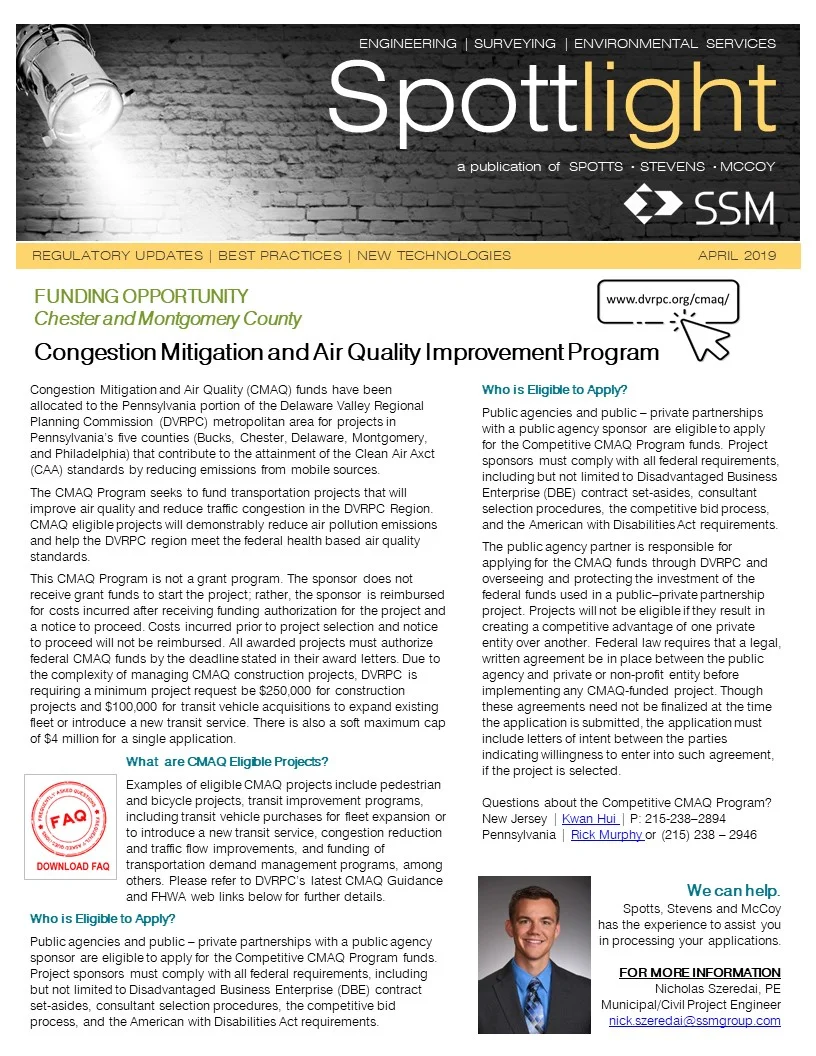
FUNDING OPPORTUNITY : Chester and Montgomery County
Congestion Mitigation and Air Quality Improvement Program

Chester and Montgomery County
Congestion Mitigation and Air Quality Improvement Program
Congestion Mitigation and Air Quality (CMAQ) funds have been allocated to the Pennsylvania portion of the Delaware Valley Regional Planning Commission (DVRPC) metropolitan area for projects in Pennsylvania’s five counties (Bucks, Chester, Delaware, Montgomery, and Philadelphia) that contribute to the attainment of the Clean Air Axct (CAA) standards by reducing emissions from mobile sources. READ MORE
Lancaster Conservancy
Water Connects Us All
Lancaster Water Week was conceived along the banks of the Conestoga River by friends Fritz Schroeder (Lancaster County Conservancy) and Spike Brant (Nimblist). While kayaking along the river offers much beauty and solace, it is also a front row seat to the amount of erosion, pollution, and disregard some have for this amazing fresh water resource.. Visit lancasterwaterweek.org for more information about Lancaster Water Week events.
Protecting our History for Future Generations
Historic preservation: the practice of protecting and preserving sites and structures reflecting elements of cultural, social, economic, political, archaeological or architectural history.
Historic preservation: the practice of protecting and preserving sites and structures reflecting elements of cultural, social, economic, political, archaeological or architectural history.
In Philadelphia, houses in National Register historic districts command a premium of 14.3% over comparable properties not in historic districts. Houses in local historic districts command a premium of 22.5% over comparable properties not in historic districts. — The Economic Impact of Historic Preservation in Philadelphia (2010)
Construction debris accounts for 25% of the waste in the municipal waste stream each year. Demolishing 82 billion square feet of space will create enough debris to fill 2,500 NFL stadiums. — National Trust for Historic Preservation: Sustainability by the Numbers.
Spending by visitors to twenty surveyed Civil War battlefields generated a total of $21 million in state taxes and another $11.7 million in local government revenues. This amounts to approximately $5.22 per visitor at the state level and another $2.92 to pay for local services. — Blue, Gray, and Green: A Battlefield Benefits Guide for Community Leaders (2006)
Historical preservation frames a community's past and defines its heritage. Preservation initiatives have a positive impact on economic growth for a community in the form of higher property values, increased revenue, and job creation. Rehabilitated and renovated historic buildings are core components in revitalized downtowns and cultural venues. From an environmental perspective, renovations and rehabilitation of existing properties results in less construction, demolition, and hazardous material debris. Additionally, the cost of rehabilitation is often less than new construction with the energy savings being considerable since there is no energy used for demolition, new construction or the manufacture of new materials.
Stewardship of our environmental, cultural and historical resources is part of who we are at Spotts, Stevens and McCoy, enriching the quality of life, recognizing that many will be touched by the work we do. Our family-owned and managed firm is proud to be a part of both the ancestry and the multiple projects we’ve supported through the PA Historic and Museum Commission.
SSM recently completed an electrical design project for the Pennsylvania Historic Museum Commission (PHMC). The Ephrata Cloister Exterior Lighting Project, located in Ephrata, PA, consisted of replacing existing parking lot and area light fixtures, and upgrading building façade lighting of the historic buildings at the Ephrata Cloister. The project goal was to upgrade the existing parking lot lighting for improved illumination of parking areas. The existing lighting was on 12’-14’ poles with post top HID and/or quartz lamps. The post top fixtures distributed light beyond the limits of the parking lot into areas not requiring illumination. The scope of work issued by PHMC required even, safe illumination levels of the parking lot. The existing pole locations and concrete pole bases were utilized where possible as a cost saving measure.
The design implemented by SSM utilized energy efficient LED light fixtures, arm mounted, on new poles located on the existing pole bases. Additional poles and light fixtures were added as required to illuminate areas previously unlit by the existing fixtures. The height of the new light pole was increased to allow for the light fixture to be mounted at a higher elevation to provide increased distribution of light and maintain a more even illumination of the parking lot. The LED fixtures also operate at a much lower wattage with a longer lamp life providing an operational cost savings for the facility.
Existing pathway lighting is provided by historic period style light fixtures, originally having a gas source. The light fixtures lamp source will be converted from incandescent to LED. SSM researched and determined the best lamp style to utilize in these fixtures without detracting from the historic period style of the fixtures.
The site currently highlights the building facades of the historic buildings. Existing facade lighting is provided by ground mounted and post mounted quartz style light fixtures. These fixtures will be replaced, one for one, with new light fixtures with an LED lamp source. Existing locations are utilized to save on the cost of installation. The light fixtures were selected based on the best distribution available to highlight the full area of the building facades. Cost savings will be achieved by longer lamp life and lower power consumption of the LED lamps.

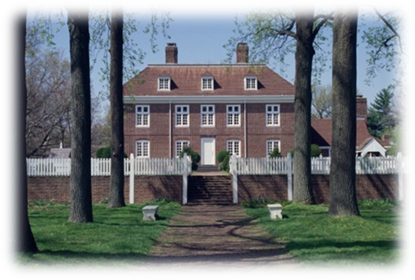
Pennsbury Manor , known as “William Penn’s Country House”
Known as “William Penn’s Country House”, Pennsbury Manor includes several buildings recently included in a design project to replace and upgrade existing HVAC systems on the campus with geothermal systems. Working closely with the Department of General Services and The Pennsylvania Historical and Museum Commission, the multi-discipline mechanical, electrical, and hydrogeology staff of Spotts, Stevens and McCoy, along with architectural and archaeological partners took on the challenges often presented by similar historic and sensitive structures. Outdated HVAC, plumbing and electrical systems are common limitations that can be resolved with innovative application of new technologies. SSM designed the HVAC systems within the buildings, electrical and plumbing systems in support of the HVAC system design, coordinated with Agency Fire and Security and controls consultants, and developed a preliminary construction phasing plan for the project. In addition we analyzed the assessment reports and developed a preliminary abatement plan.

The design team was also supported by the Survey and Data group at SSM, who utilized high definition scanning to collect high-accuracy topographical information.

Spottlight on the Park
Where the Heart is. People are the heart of every community. It’s a perfect day to go out for a walk in the park. Enjoy nature’s beauty and being outside. #TakeAWalkInThePark

Did You Know . . . that each day we use an estimated 500 million straws?
That’s an average rate of 1.6 straws per person per day! (http://www.ecocycle.org/bestrawfree)
If you’re focusing on sustainability . . . maybe it’s time to trade-in the plastic straw. Recently, many fast-food restaurants, cities, parks, and businesses have taken a step toward reducing the use of plastic and have pledged to ban plastic straws in their areas. Reusable stainless steel drinking straws aren’t just a stylish new fad, they’re a way to help keep plastic straws out of our oceans and landfills. Not only are they incredibly durable and long-lasting, but when they are at the end of their life and it’s time to dispose of, you can rest assured knowing that stainless steel is the most recycled material on earth. Need some more reasons to make the switch? Read more

A Walk in the Park
On March 30th we celebrate National Take a Walk in the Park Day an (unofficial) annual holiday encouraging people to get active and enjoy the physical and mental benefits that come from walking in nature. It’s a perfect day to go out for a walk in the park. Enjoy nature’s beauty and being outside. According to timeanddate.com, “Walking in nature - away from the dust and pollution of streets and cars - can boost moods and reduce stress.”
How can you celebrate?
Grab your favorite walking shoes, leave your phone behind and breathe in the fresh air as you walk around your local park.
Bring a good friend or a family member with you on your walk. What better way to enjoy nature and maintain your health than to share it with a loved one?
Join the online conversation and share a post of you enjoying nature’s beauty. #TakeAWalkInTheParkDay
We’re celebrating some of our community recreational projects:
Jordan Greenway Trail - SSM prepared construction drawings for a one-mile section of paved multi-use trail along the Jordan Creek within property owned by Whitehall Township.
Structural Assessment for Coal Breaker at Eckley Miner’s Village - SSM's structural engineers assessed the existing condition of the timber-framed structure and provided engineering analysis and design to replace or reconstruct a portion of the coal breaker, called the tipple.
Bingaman House Recreational Center - Lake Antietam Park

Where the Heart Is
It’s a perfect day to go out for a walk in the park. Enjoy nature’s beauty and being outside.

#TakeAWalkInTheParkDay
People are the heart of every community. A little advanced thinking helps keep that heart in the right place. Like creating parks and recreational areas. Gracefully meshing tourist draws with the needs of local residents. Skirting roads with pedestrian and bike trails. Bringing multi-discipline expertise to municipal planning. Coordinating the zoning, infrastructure needs, and development plans of adjacent communities. SSM's certified planners work hand-in-hand with municipalities to help manage growth, protect resources, and enhance communities and the quality of life of the people living there.
A Walk in the Park
On March 30th we celebrate National Take a Walk in the Park Day an (unofficial) annual holiday encouraging people to get active and enjoy the physical and mental benefits that come from walking in nature. It’s a perfect day to go out for a walk in the park. Enjoy nature’s beauty and being outside. According to timeanddate.com, “Walking in nature - away from the dust and pollution of streets and cars - can boost moods and reduce stress.”
How can you celebrate?
Grab your favorite walking shoes, leave your phone behind and breathe in the fresh air as you walk around your local park.
Bring a good friend or a family member with you on your walk. What better way to enjoy nature and maintain your health than to share it with a loved one?
Join the online conversation and share a post of you enjoying nature’s beauty. #TakeAWalkInTheParkDay
We’re celebrating some of our community recreational projects:
Jordan Greenway Trail - SSM prepared construction drawings for a one-mile section of paved multi-use trail along the Jordan Creek within property owned by Whitehall Township.
Structural Assessment for Coal Breaker at Eckley Miner’s Village - SSM's structural engineers assessed the existing condition of the timber-framed structure and provided engineering analysis and design to replace or reconstruct a portion of the coal breaker, called the tipple.
Bingaman House Recreational Center - Lake Antietam Park

Let Your Nerd Flag Fly
Did You Know ….

. . . the engineers at SSM do
Did You Know . . .
The City of Reading’s Wastewater Treatment Facility was the first trickling filter plant in the United States.
The more you can smell the “chlorine” smell, actually means you need to add more chlorine. In a swimming pool that is being heavily used, smelling chlorine means that it is oxidizing organics, and more will need to be added since it is being used up. So, in a pool that is correctly balanced, you will subtly smell the chlorine at close range, but it won’t be “in your face”. A pool under heavy load will have a stronger smell until more chlorine is added. But … one caveat, if the pool water is correctly balanced and then someone adds more chlorine than is needed, the smell will also be present.
Typically the distance between sanitary sewer manholes is 400 feet.
Philadelphia’s water infrastructure system is roughly 200 years old, dating back to 1815 when the “Fairmount Water Works” began operating using steam driven pumps to pump water from the Schuylkill River.

If you’re focusing on sustainability . . . maybe it’s time to trade-in the plastic straw
Did You Know . . . that each day we use an estimated 500 million straws?
That’s an average rate of 1.6 straws per person per day! (http://www.ecocycle.org/bestrawfree)

Did You Know . . . that each day we use an estimated 500 million straws? That’s an average rate of 1.6 straws per person per day! (http://www.ecocycle.org/bestrawfree)
Recently, many fast-food restaurants, cities, parks, and businesses have taken a step toward reducing the use of plastic and have pledged to ban plastic straws in their areas. Reusable stainless steel drinking straws aren’t just a stylish new fad, they’re a way to help keep plastic straws out of our oceans and landfills. Not only are they incredibly durable and long-lasting, but when they are at the end of their life and it’s time to dispose of, you can rest assured knowing that stainless steel is the most recycled material on earth.
Need some more reasons to make the switch?
Reduce your BPA consumption. By reducing your contact with the plastic used to make disposable straws, you reduce your consumption of BPA (Bisphenol A), an industrial chemical that can contaminate your food and drinks, which can negatively impact your health in the form of cancers, birth defects and more. In addition, just the manufacturing of these plastic products releases many disruptive carcinogenic and neurotoxic chemicals into the atmosphere which make their way into our ecosystems for consumption.
Enjoy the cold a little longer. Steel retains the temperature of your drink much longer than your typical plastic straw and prevents it from melting down. No more having to gulp down your cold beverage on a hot summer day in fear of it melting before you can even enjoy it.
Convenience. Not only are they sturdy, but they are convenient to carry wherever you go. Perfect for those who need their smoothie or post-workout protein, as well as anyone who wants to bring their drinks to the office. The straws come with a convenient cleaning bristle-brush for quick cleaning between drinks, and both can be stored quickly back into their small travel pouch. All are dishwasher safe, too.
Environmentally Friendly. Aside from the personal benefits of converting to reusable stainless steel straws, the biggest benefit will be the positive impact you’ll make on the environment. And, hey, isn’t that the collective goal of us all?

Want to give it a try? Request an SSM Straw.
Spottlight on Emergency Responses
When you call us, we’ll be there.

Responsive. Efficient. Building on relationships.
When you call us, we’ll be there.
We are successful when our clients are successful. This is the philosophy by which each of us at SSM works every day. And our clients tell us that this attention to our clients separates us from our competition.
Our proven experience. Our ability to mobilize, undertake, and successfully complete the scope of work in a timely fashion. Our team becomes part of our client’s team, and are always available to respond to short notice meetings or emergencies. We can be contacted for service 24 hours per day, seven days per week.
In This Issue


Commonwealth Financing Authority Accepting Applications for Act 13 Grants
We can help. Spotts, Stevens and McCoy has the experience to assist you in processing your grant applications.
On February 1, the Commonwealth Financing Authority (CFA) began accepting applications for Act 13 drilling impact fees paid by natural gas drillers. These grants are for watershed restoration, abandoned mine drainage abatement, baseline water quality data, orphaned or abandoned well plugging, sewage facilities, flood mitigation programs and recreation. The deadline for applications is May 31.
SUMMARY | Available Grants
WATERSHED RESTORATION - The overall goal of the Watershed Restoration and Protection Program is to restore and maintain restored stream reaches impaired by the uncontrolled discharge of nonpoint source polluted runoff, and ultimately to remove these streams from the Department of Environmental Protection’s Impaired Waters list.
ABANDONED MINE DRAINAGE ABATEMENT AND TREATMENT - Projects which involve the reclamation of Abandoned Mine Well(s), construction of a new AMD site, remediation and repair of existing AMD project sites, operation and maintenance maintaining current AMD remediation sites, establishment of trust fund to ensure ongoing maintenance is achieved, and monitoring of water quality to track or continue to trace nonpoint source load reductions resulting from AMD remediation projects.
ORPHAN OR ABANDONED WELL PLUGGING PROGRAM - Projects which involve the cleaning out and plugging of abandoned and orphaned oil and gas wells; stray gas mitigation systems; and well venting projects.
BASELINE WATER QUALITY DATA - Projects which involve practices for water sample collection and analysis to document existing groundwater quality conditions on private water supplies.
SEWAGE FACILITIES PROGRAM - Costs associated with the planning work required under Act 537 Sewage Facilities Act.
FLOOD MITIGATION - Projects authorized by a flood protection authority, the Department of Environmental Protection (DEP), the U.S. Army Corps of Engineers (Corps) or the U.S. Department of Agriculture's Natural Resources Conservation Service (NRCS) or identified by a local government for flood mitigation are eligible for the program.
GREENWAYS, TRAILS AND RECREATION PROGRAM - Projects which involve development, rehabilitation and improvements to public parks, recreation areas, greenways, trails and river conservation.
In 2018, SSM assisted our clients in obtaining $650,000 in CFA Grant funding.
Western Berks Water Authority - Mohrsville Water District Arsenic Removal System - SSM helped the Western Berks Water Authority to secure a $125,000 grant from the Commonwealth Financing Authority PA Small Water and Sewer Program for an upgraded arsenic removal system. This new addition improves the water quality for Wernersville, Sinking Spring, and the surrounding Greater Reading area.
Walnutport Water & Sewer Authority - South Canal Street Water Main Crossing - SSM aided the Walnutport Authority of Northampton County in obtaining a $200,000 grant from the Commonwealth Financing Authority PA Small Water and Sewer Program. The funds were used for a project to replace an aging water main under the Lehigh Canal which serves drinking water to existing Lehigh customers. SSM provided the location maps and zoning designations of the service areas, as well as prepared and submitted a complete grant package for the Lehigh Valley Planning Commission (LVPC) and the Department of Community and Economic Development (DCED) to get funding consistent with Northampton County’s Comprehensive Plan.
Coplay-Whitehall Sewer Authority - Prospect Street Sanitary Sewer Construction Project - SSM successfully prepared and submitted a $100,000 grant package for the Coplay-Whitehall Sewer Authority for a project under the Commonwealth Financing Authority PA Small Water and Sewer Grant Program. The project involved constructing new sanitary sewers to provide service to residents on Prospect Street, located in Whitehall Township of Lehigh County. The funds were used to provide upgraded reliable sewer infrastructure and adjoining an existing residential zoning area where public sewer service was already provided. This ultimately eliminates groundwater pollution and provides the county’s customers with the best water quality.
Reading Area Water Authority - Filter Replacement Project - The Reading Area Water Authority (RAWA) was granted $125,000 by the Commonwealth Financing Authority (CFA) to finance the replacement and rehabilitation of four deteriorating filters and surrounding piping at the Maidencreek Filter Plant. SSM provided the CFA grant package, including preparation and submission of written materials, as well as coordination with all parties involved. The upgrade of the treatment plant’s filters positively benefit over 125,000 drinking water customers of the City of Reading and surrounding areas. With the upgrades obtained from the funding, RAWA can ensure more efficient disinfection, filtration, and treatment of The City’s drinking water and overall better water quality.
For more information, visit https://www.municipalauthorities.org/slide-show/cfagrants/.
WE CAN HELP.
Contact Jamie Lorah, PE for assistance with your grant application.
Wally on the Spott
Our team becomes part of our client’s team, and are always available to respond to short notice meetings or emergencies. We can be contacted for service 24 hours per day, seven days per week.
Johnny on the Spot: a person who is on hand and ready to perform a service or respond to an emergency. (Merriam-Webster Dictionary)
In 1896 the phrase, Johnny on the Spot was the subject of an article in the New York Sun titled “Johnny on the Spot: A New Phrase Which Has Become Popular in New York.” The article details the expression that had become very popular in NYC. According to HOT Idioms, here’s what was said: ‘We need a printer in Chicago… Johnny on the spot. You got it?’
We’re taking the phrase, adding some Spotts, Stevens and McCoy values and coining a new, regular feature in the Spottlight: Wally on the Spott.

This new column is focused on the emergencies that our clients face and the solutions that we help them find. We maintain a highly trained and equipped workforce to respond to and recover from daily incidents, local emergencies, and major disasters. SSM holds true to our reputation of being available, responsive, and forward-thinking.
Here are a few examples of our response to emergency situations:
On a Sunday morning at 4:20 am, one of SSM’s Project Managers received a call from one of our clients who had just encountered a 36’ water main break on a state highway. Our Project Manager took the call and headed into action and scrambled our resources. Within hours, SSM staff was on-site evaluating the situation, preparing action plans and coordinating emergency repair services.
A personal-care beauty products manufacturer received two separate OSHA Citations and Notice of Penalty letters that contained violations with a combined proposed penalty of $285,000. The work involved was multi-faceted in that it involved two separate tasks to address violations of OSHA’s Flammable Liquid Standard and a Fire Code Evaluation of an explosion proof room. As a result of SSM’s assistance, the proposed OSHA penalty was reduced by half.
SSM provided emergency services for a healthcare facility. The hospital had received a Notice of Violation (NOV) from the DEP and requested our immediate help to avoid a substantial fine. Within the 30-day timeframe, SSM coordinated walkthrough inspection of the facility to ascertain all air contaminant sources, calculated the site’s Potential to Emit (PTE) emissions, and completed all DEP application forms. SSM also prepared two separate Request for Determinations (RFDs) for two exempt combustion sources and a request to eliminate the site’s synthetic minor status. Ultimately, the facility was able to remain compliant with State and Federal regulations and did not receive a fine due to our team’s rapid response.
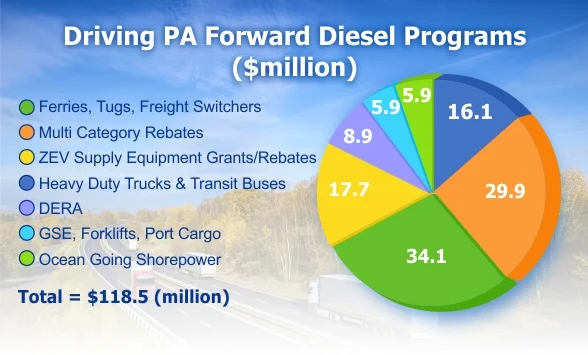
$2.6 million in Grants Available - Diesel-Powered Vehicles
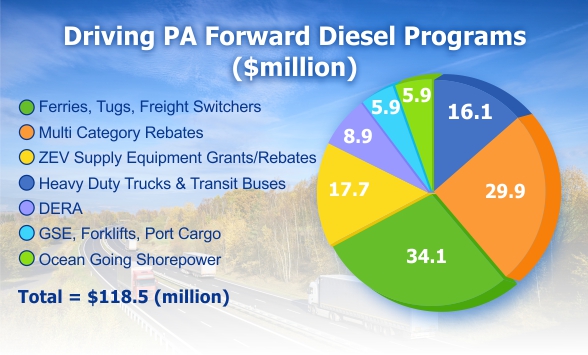
$2.6 million in grants are available to replace, repower, or retrofit fleet diesel-powered trucks, buses, and other vehicles and equipment. The grants are available to public, private and non-profit entities looking to update diesel powered fleet vehicles.
Cleaner Technologies for Cleaner Air
Reducing emissions from diesel engines is one of the most significant air quality challenges facing the Commonwealth of Pennsylvania.
To help Pennsylvania meet its diesel emissions reduction goals, the Wolf Administration has developed new grant and rebate programs to improve air quality in Pennsylvania and drive transformation from older, polluting diesel engines to clean technologies.
Key Dates
A webinar on the Pennsylvania State Clean Diesel Grant Program will be held on February 4, 2019.
PA DEP will accept online applications until 4:00 PM on February 28, 2019.
Replace, Repower, or Retrofit
Diesel-Powered Vehicles
$2.6 million in grants are available to replace, repower,
or retrofit fleet diesel-powered trucks, buses, and other vehicles and equipment. The grants are available to public, private and non-profit entities looking to update diesel powered fleet vehicles.
FOR MORE INFORMATION
For more details on the Driving PA Forward program, please visit: www.dep.pa.gov/drivingpaforward
Spottlight on Long-Term Thinking
From technology advances to clean energy initiatives the landscape is changing . . . are you ready?

From technology advances to clean energy initiatives the landscape is changing . . . are you ready? Are you taking advantage of the cost-saving programs available today that will help you prepare for the future?
In this Issue


PROFILE | Splitting Edge Axe Throwing
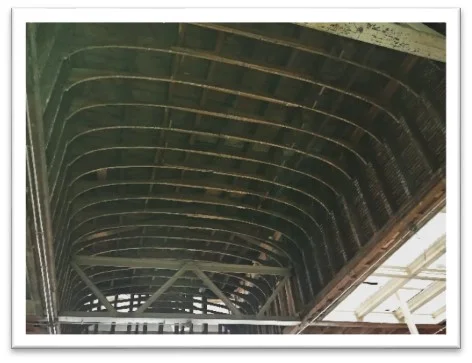
Axe Throwing - SSM was involved in a renovation project to structurally evaluate the existing roof structure for support of new units for heating and cooling the axe-throwing space.

The roof is original to the building and dates to the late 1800s, when steel was just becoming a common material for roof construction.
PROJECT PROFILE
Splitting Edge Axe Throwing
SSM was involved in a renovation project to structurally evaluate the existing roof structure for support of new units for heating and cooling the axe-throwing space. The roof structure is composed of wood framing supported on riveted steel trusses. The roof is original to the building and dates to the late 1800s, when steel was just becoming a common material for roof construction. When the building owner opted to support the units along the centerline of the building, SSM developed the structural design drawings for a new steel frame to be supported on the existing steel trusses. SSM then verified that the existing trusses were capable of supporting the added weight.

Check out the venue: https://www.splittingedgeaxethrowing.com/
Floodplain Restoration Can Reduce Stream Temperatures for Optimal Aquatic Health
Cold water streams provide excellent fish habitats. Unfortunately many streams in southeastern Pennsylvania run too warm to support fish hatcheries. Since most streams in agrarian areas lack sufficient vegetative buffer, tree planting programs are a common practice to stabilize stream banks and provide much needed shade to cool water temperatures.

Cold water streams provide excellent fish habitats. Unfortunately many streams in southeastern Pennsylvania run too warm to support fish hatcheries. Since most streams in agrarian areas lack sufficient vegetative buffer, tree planting programs are a common practice to stabilize stream banks and provide much needed shade to cool water temperatures. While tree planting is fairly easy and relatively inexpensive, the efficacy is limited. Great effort is required to protect the young saplings through the long time required to reach maturity. All too often a storm flood event washes away the saplings before the roots structure has had time to establish. The next season, a fresh round of tree planting starts anew.
But what if there’s a better way to return a stream to its natural state, resulting in consistently lower water temperatures, better vegetation and biological survival rates, and improved stormwater management? This is the question LandStudies, a Lancaster County firm dedicated to solving modern environmental issues with natural sustainable solutions, has been attempting to answer with their stream restoration projects.
A recent LandStudies project along Kurtz Run in Lancaster County serves as an example of the work they’ve been doing, which involves grading of the floodplain by removing legacy sediments which have been deposited in the original floodplain over decades, and many times, centuries. After grading, a new stream channel is established, natural in-stream structures for stabilization are installed, and wetlands are created. By comparing pre- and post-restoration daily maximum temperatures, LandStudies was able to determine that this method of floodplain restoration significantly reduced the effect of solar radiation on the temperature of the stream, much more-so than traditional tree planting “restorations.”
The reason this method of restoration is so successful in reducing stream temperature, is that by grading the floodplain and removing legacy sediments, the surface water of the stream is being reconnected to the cooler groundwater of the bedrock aquifer, below; whereas, in its pre-restoration state, the streambed was disconnected from the groundwater aquifer by sediments and debris. This enhanced surface-groundwater interaction is referred to as hyporheic exchange, and would have been how the stream operated naturally, before the land was settled and cleared for development and agriculture.
In addition to lowering water temperatures, this method broadens the floodplain, creating more gently-sloped surface area over which the stream can expand during heavy rain events, instead of rushing down a narrow channel. This reduces area flooding, erosion of the stream bank, and sedimentation in the stream, while increasing its capacity to take on rain and stormwater. The cooler, more stable stream characteristics are favorable to vegetation and other organisms, such as fish, allowing these ecosystems to better survive and thrive in the restored stream and floodplain.
Beyond its many ecological benefits, floodplain restoration projects provide communities with a way to address MS4 issues, protect drinking water supplies, recharge groundwater aquifers, and enhance green infrastructure.
Electric Vehicle Charging Rebate Program
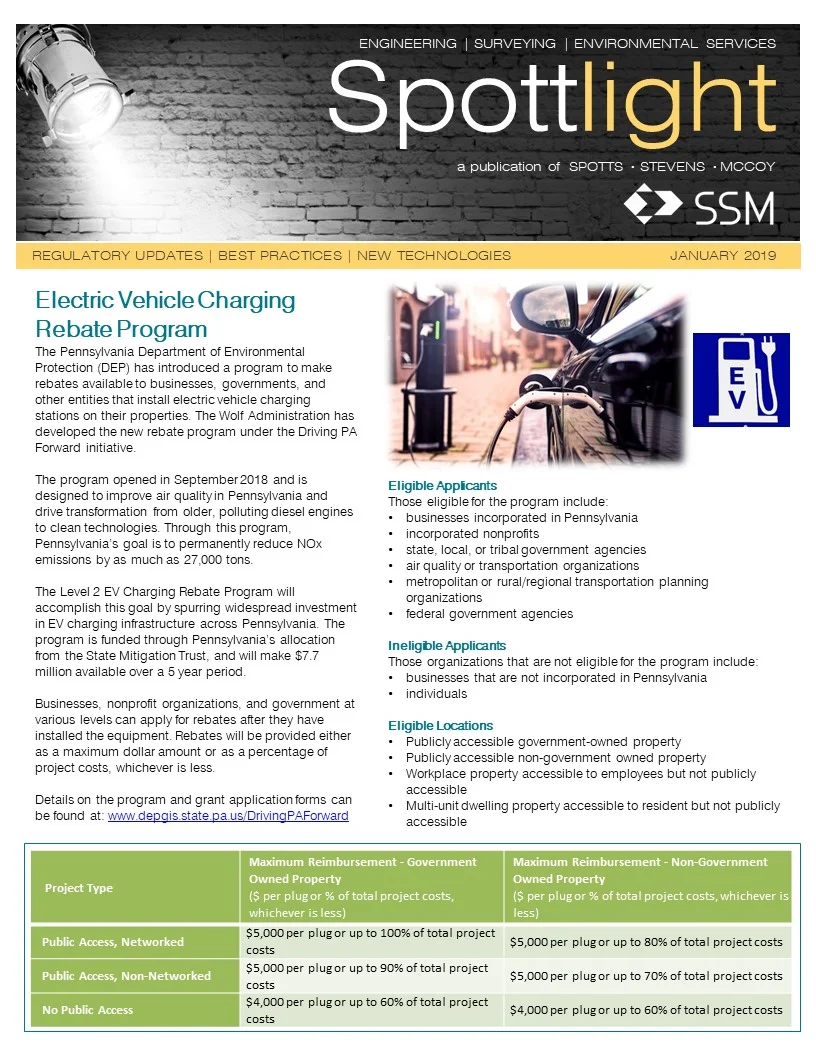
The Pennsylvania Department of Environmental Protection (DEP) has introduced a program to make rebates available to businesses, governments, and other entities that install electric vehicle charging stations on their properties.

The Pennsylvania Department of Environmental Protection (DEP) has introduced a program to make rebates available to businesses, governments, and other entities that install electric vehicle charging stations on their properties. The Wolf Administration has developed the new rebate program under the Driving PA Forward initiative.
The program opened in September 2018 and is designed to improve air quality in Pennsylvania and drive transformation from older, polluting diesel engines to clean technologies. Through this program, Pennsylvania’s goal is to permanently reduce NOx emissions by as much as 27,000 tons.
The Level 2 EV Charging Rebate Program will accomplish this goal by spurring widespread investment in EV charging infrastructure across Pennsylvania. The program is funded through Pennsylvania’s allocation from the State Mitigation Trust, and will make $7.7 million available over a 5 year period.
Businesses, nonprofit organizations, and government at various levels can apply for rebates after they have installed the equipment. Rebates will be provided either as a maximum dollar amount or as a percentage of project costs, whichever is less.
Details on the program and grant application forms can be found at: www.depgis.state.pa.us/DrivingPAForward
Eligible Applicants
Those eligible for the program include:
businesses incorporated in Pennsylvania
incorporated nonprofits
state, local, or tribal government agencies
air quality or transportation organizations
metropolitan or rural/regional transportation planning organizations
federal government agencies
Ineligible Applicants
Those organizations that are not eligible for the program include:
businesses that are not incorporated in Pennsylvania
individuals
Eligible Locations
Publicly accessible government-owned property
Publicly accessible non-government owned property
Workplace property accessible to employees but not publicly accessible
Multi-unit dwelling property accessible to resident but not publicly accessible


New Technologies in the Source Water Protection Program
Exploring new technologies in Source Water Protection
Al Guiseppe, PG, Director Water Resources at Spotts, Stevens and McCoy presented at the 2019 Pennsylvania Groundwater Association Annual Winter Conference on January 25, 2019 at the Holiday Inn, Grantville/Hershey, PA. His presentation presented an overview of the Source Water Protection Technical Assistance Program and new technologies including online data, mobile GIS applications, and operations dashboards.
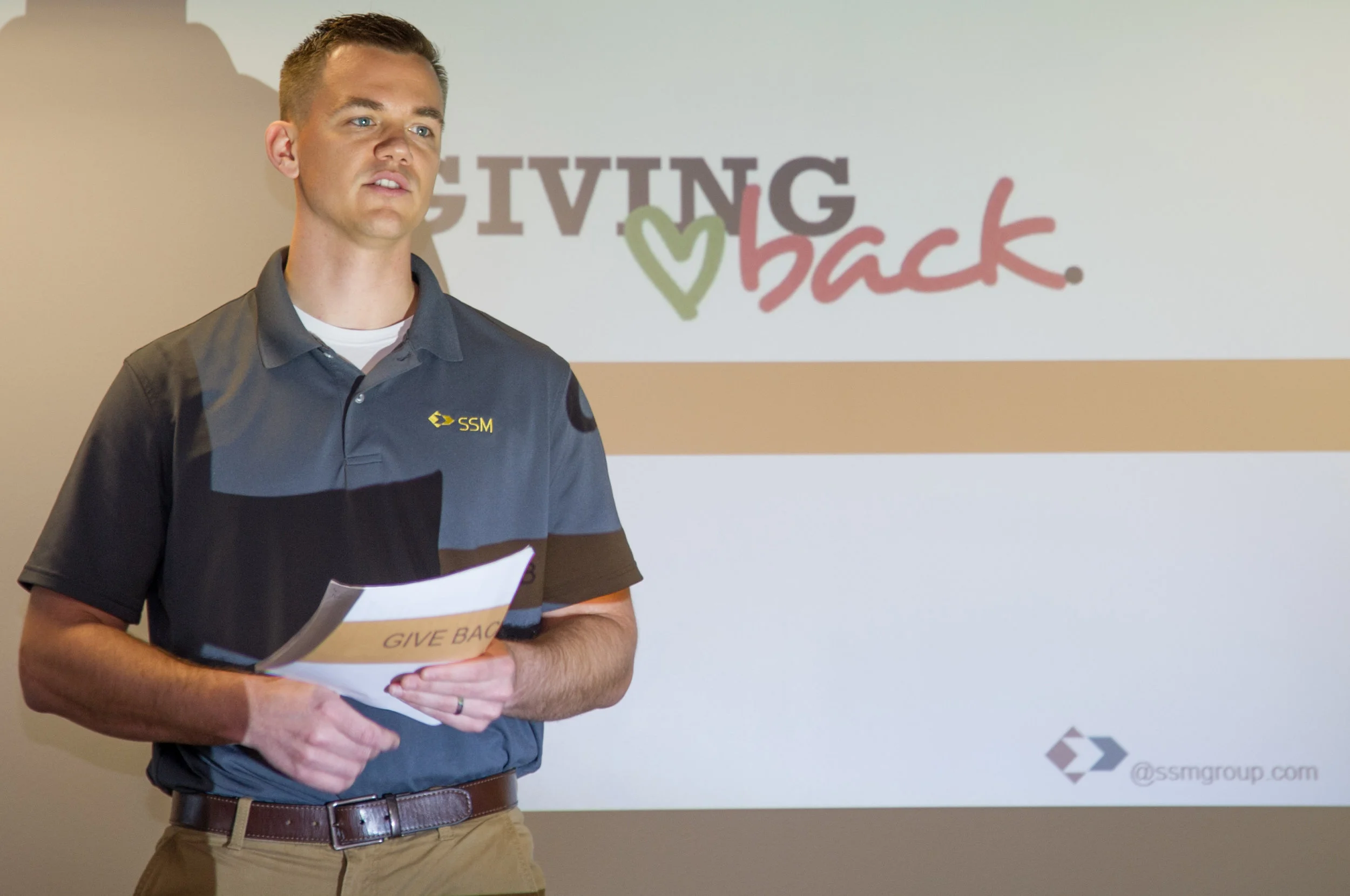
Give Back Club Donates $10,000 to Community Initiatives
Spotts, Stevens and McCoy recently made donations totaling $10,000 to organizations within in the Berks, Lancaster, and Lehigh Valley counties as part of a Give Back initiative.
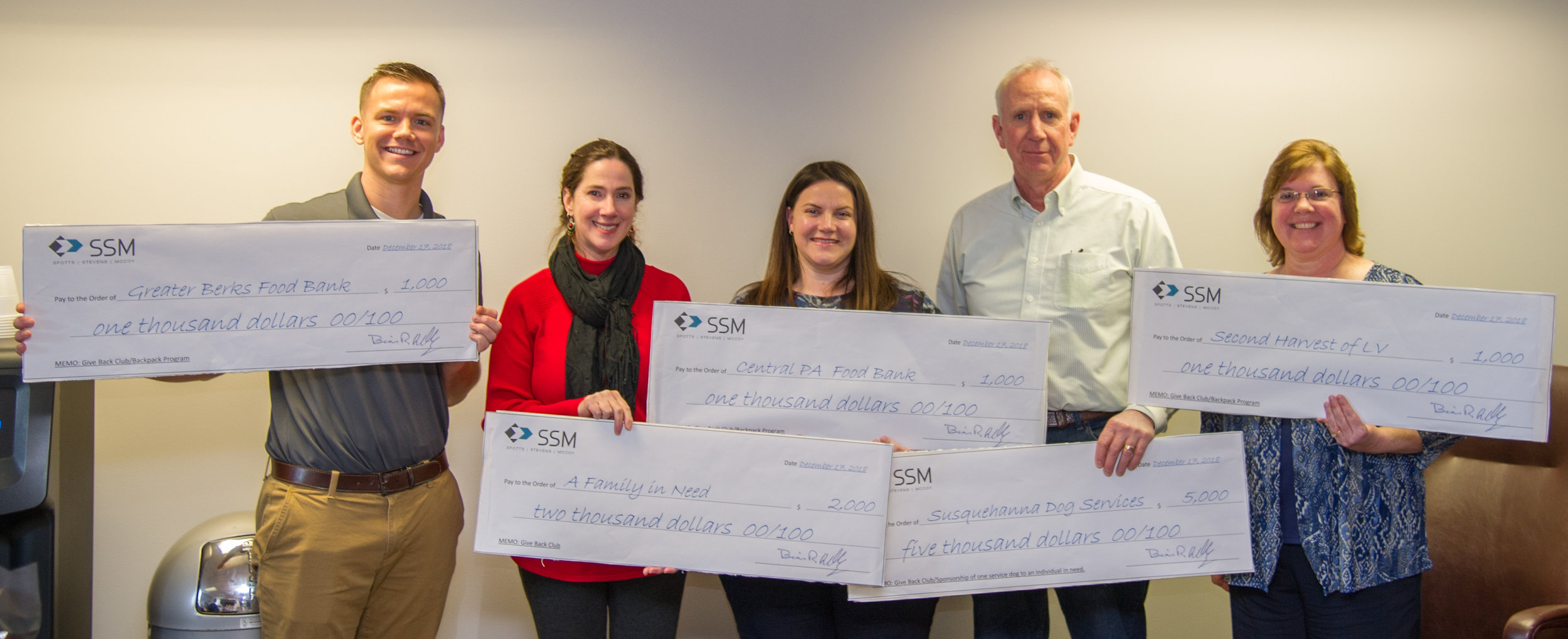
Members of the SSM Give Back Club (left to right: Nick Szeredai, PE, Lyn O’Hare, Michelle Hohl, PE, Steve Smith, and Michele Eidle) display checks representing the firm’s $10,000 donations.
Spotts, Stevens and McCoy recently made donations totaling $10,000 to organizations within in the Berks, Lancaster, and Lehigh Valley counties as part of a Give Back initiative.
A group of SSM volunteers interviewed and surveyed their co-workers to develop an action plan for the giving. As a result the firm donated $5,000 to the Susquehanna Service Dogs organization. The donation will provide one service dog to an individual in need. Partner Coordinator Deb Tack, Bob Lighty and his service Dog Tie Rod accepted the donation during a Company Team Huddle in December.
Working with their landlord, Park Road Presbyterian Church, SSM was able to assist a local family in need with a $2,000 donation. The firm also supported the Backpack Programs of the Greater Berks Food Bank, Second Harvest of Lehigh Valley, and Central Pennsylvania Food Bank with $1,000 donations to each organization.
Brian Kelly, President and CEO commented, “This is an opportunity for the SSM family to give back and support the communities where we live, work and play.”

Bob Lighty, Tie Rod, and Deb Tack accepted the check $5,000 on behalf of the Susquehanna Service Dogs organization.

Spottlight on Solutions
Solutions as Unique as Your Problems - This month we’re shining the Spottlight on the unique solutions we provide our clients. We’re using National Cookie Cutter Week as a reminder that one size does not fit all!
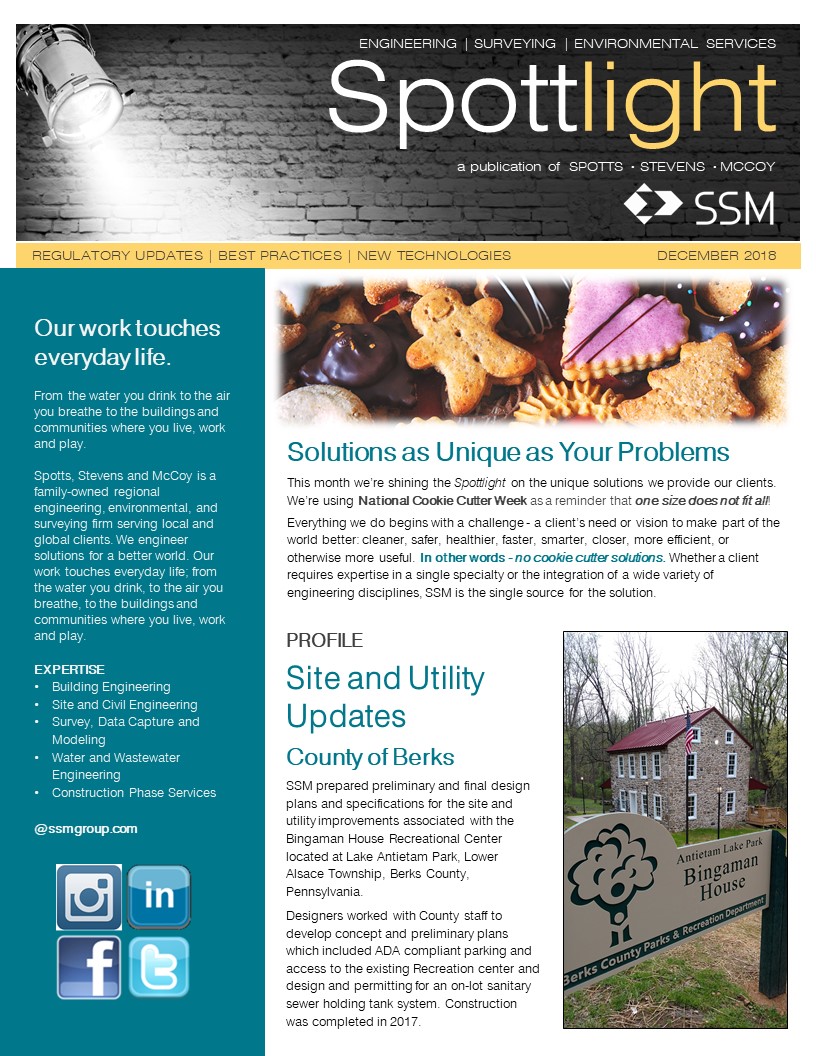
Solutions as Unique as Your Problems
This month we’re shining the Spottlight on the unique solutions we provide our clients. We’re using National Cookie Cutter Week as a reminder that one size does not fit all!
Everything we do begins with a challenge - a client’s need or vision to make part of the world better: cleaner, safer, healthier, faster, smarter, closer, more efficient, or otherwise more useful. In other words - no cookie cutter solutions. Whether a client requires expertise in a single specialty or the integration of a wide variety of engineering disciplines, SSM is the single source for the solution.
In this issue …


SSM Welcomes Jonathan Meyer, PE
Jonathan E. Meyer, PE, Senior Structural Engineer joins our Facilities Engineering Department.

Jonathan E. Meyer, PE, Senior Structural Engineer joins our Facilities Engineering Department. His experience includes design engineering for building and foundation design as well as building renovations including steel, concrete, tilt-up concrete buildings, multistory office buildings, and heavy industrial equipment foundations. He is a graduate of Drexel University with a BS in Civil Engineering Meyer is a registered Professional Engineer in Pennsylvania, Maryland, Arizona, Kansas, Iowa, Missouri, Kentucky, Indiana, Michigan, and California.

SSM Welcomes Robert Weinzapfel, PE
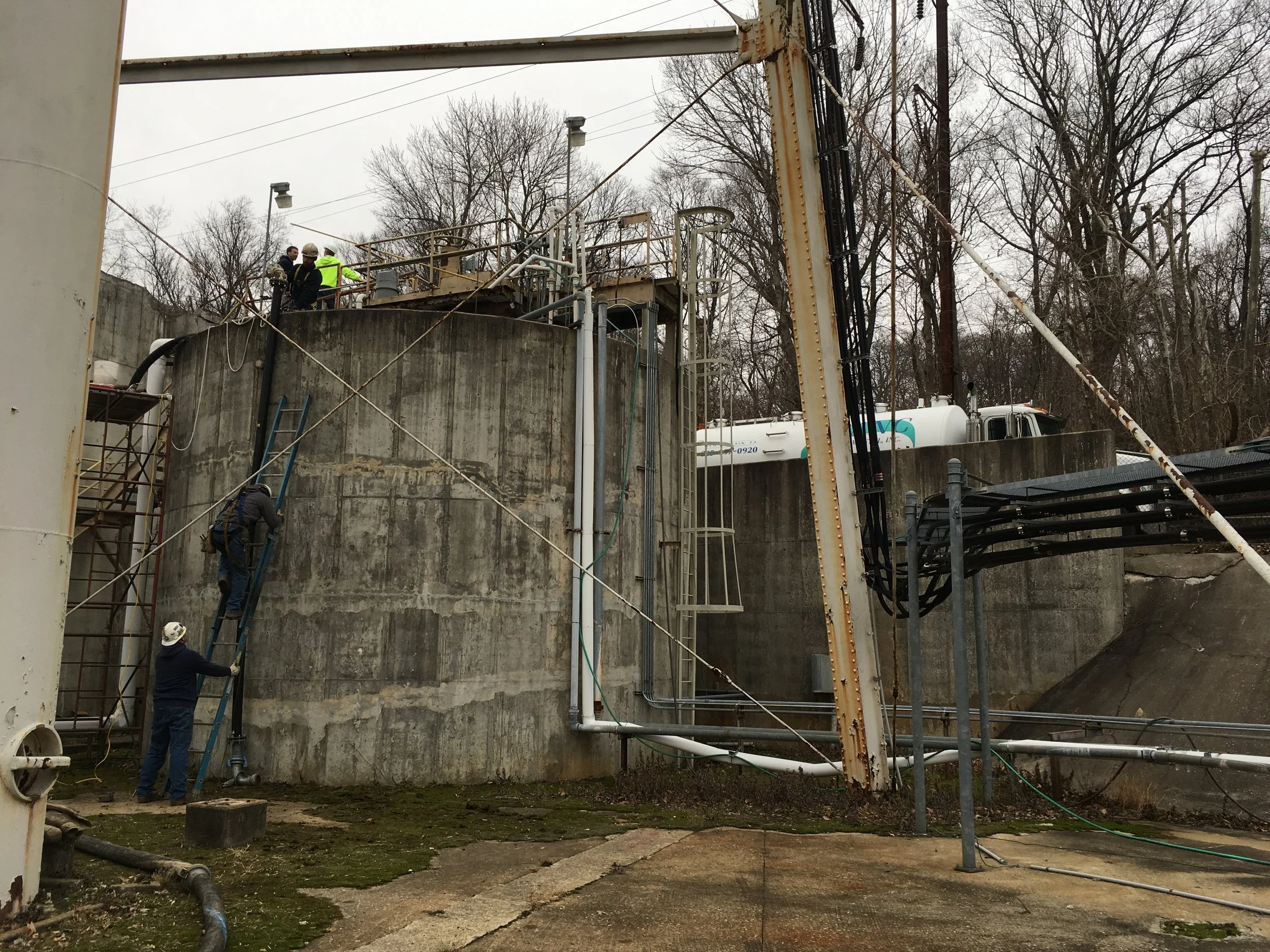
Robert Weinzapfel, PE, Senior Engineer joins the Water and Wastewater Engineering Department.

Robert Weinzapfel, PE, Senior Engineer joins the Water and Wastewater Engineering Department. Mr. Weinzapfel has engineering experience in power plants, wastewater and water treatment facilities, municipal and commercial facilities, and refineries. His experience includes heating, ventilating, and air conditioning (HVAC), industrial air treatment, boiler systems, chillers, plumbing systems, and other mechanical systems. Also experienced in mechanical design of pump stations, headwork facilities, digester/natural gas systems, and sludge heating systems, sludge thickening and dewatering facilities for wastewater. Weinzapfel, a graduate of Purdue University with a BS in Environmental Engineering is a Registered Professional Engineer in Pennsylvania and Maryland.

SSM Welcomes William Orlowsky, PE
William T. Orlowsky, PE, Senior Engineer joins our Water and Wastewater Engineering Department.

William T. Orlowsky, PE, Senior Engineer joins our Water and Wastewater Engineering Department. Mr. Orlowsky’s experience in the water and wastewater industry includes civil and water/wastewater design, field engineering during construction, and plant operations. His experience includes design of plant expansions and upgrades, collection and conveyance systems, developing treatment alternatives, development of plans and specifications, coordination of work with other disciplines, preparation of construction cost estimates, and preparation of permitting applications to regulatory agencies. He is a graduate of Temple University with a BS in Environmental Engineering and MS in Civil Engineering and is a Professional Engineer in Pennsylvania, New Jersey, and New York.
Axe Throwing - SSM was involved in a renovation project to structurally evaluate the existing roof structure for support of new units for heating and cooling the axe-throwing space.