

Surveying, High-Definition Scanning and Plan Preparation Services
SSM provided the surveying, high-definition scanning and plan preparation services for the existing exterior conditions of Caldwell Hall on the historical Catholic University campus in Downtown Washington D.C.

Voith & Mactavish Architects, LLP
Catholic University | Caldwell Hall
The only building in D.C. of its time with Romanesque architecture, the old stone masterpiece has acquired structural imperfections due to factors like aging, settling, construction and the earthquake of 2011. It was the client’s wish to replace all of the intricate windows to fit the altered, uneven masonry openings.
SSM provided the surveying, high-definition scanning and plan preparation services for the existing exterior conditions of Caldwell Hall on the historical Catholic University campus in Downtown Washington D.C.
Utilizing High-Definition Survey (HDS) laser scanning technology to collect data and measurements on the building exterior, SSM was able to generate thirteen (13) different 2-D elevation views illustrating the exact existing conditions of each façade of the building. The illustration elements included water tables and belt courses; inner and outer masonry arches and openings of windows and doors; stairs and inner and outer edges of roofing; cornices and dormers; and a general outline of cupolas and towers. The scanned data was then used to create a detailed window schedule for replacement of each window.
Saving valuable time, costs, and eliminating possibility of human error using scanning technology, the project team at Spotts, Stevens and McCoy was able to meet the budget and time schedule for Voith & Mactavish.
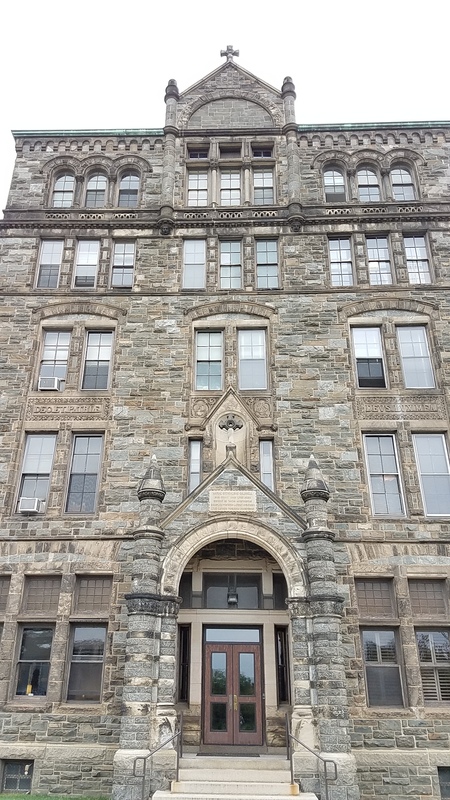
Caldwell Hall | On May 24, 1888, the cornerstone for today’s 4-story Caldwell Hall was laid for building with President Grover Cleveland and Cardinal James Gibbons of Baltimore present.

If you’ve ever sipped well water, you’ve sipped groundwater
Groundwater is the water found underground in the cracks and spaces in soil, sand and rock. It is stored in and moves slowly through geologic formations of soil, sand and rocks called aquifers. It is the world's most extracted natural resource, and it supports our ecosystems.

Established in 1999, National Groundwater Awareness Week provides an opportunity for people to learn about the importance of groundwater, how the resource impacts lives, and how we can protect/conserve it.
Groundwater is the water found underground in the cracks and spaces in soil, sand and rock. It is stored in and moves slowly through geologic formations of soil, sand and rocks called aquifers. It is the world's most extracted natural resource, and it supports our ecosystems.
Groundwater contamination occurs when man-made products such as gasoline, oil, road salts and chemicals get into the groundwater and cause it to become unsafe and unfit for human use.
Materials from the land's surface can move through the soil and end up in the groundwater. For example, pesticides and fertilizers can find their way into groundwater supplies over time. Road salt, toxic substances from mining sites, and used motor oil also may seep into groundwater. In addition, it is possible for untreated waste from septic tanks and toxic chemicals from underground storage tanks and leaky landfills to contaminate groundwater.

Facts about Groundwater
- Only 1% of the water on Earth is useable, 99% of which is groundwater.
- The United States uses 349 billion gallons of freshwater every day.
- Groundwater is 20 to 30 times larger than all U.S. lakes, streams, and rivers combined.
- Groundwater accounts for 33% of all the water used by U.S. municipalities.
- 44% of the U.S. population depends on groundwater for its drinking water supply.
- More than 13.2 million households have their own well, representing 34 million people.
- 53.5 billion gallons of groundwater are used for agricultural irrigation each day.
- The largest U.S. aquifer is the Ogallala, underlying 250,000 square miles stretching from Texas to South Dakota.
- California pumps 10.7 billion gallons of groundwater each day.
- Groundwater is the world’s most extracted raw material with withdrawal rates in the estimated range of 259 trillion gallons per year.
Visit the Groundwater Foundation for more information.

Top 10 Ways to Protect and Conserve Groundwater
National Groundwater Awareness Week | March 11-17
Life as we know it would be impossible without groundwater. It is the world's most extracted natural resource, and it supports our ecosystems.
- Go Native. Use native plants in your landscape. They look great, and don't need much water or fertilizer. Choose grass varieties for your lawn that are adapted for your region's climate, reducing the need for extensive watering or chemical applications.
- Reduce Chemical Use. Use fewer chemicals around your home and yard, and make sure to dispose of them properly - don't dump them on the ground!
- Manage Waste. Properly dispose of potentially toxic substances like unused chemicals, paint, motor oil, pharmaceuticals, and other substances. Many communities hold household hazardous waste collections or sites - contact your local health department to find one near you.
- Don't Let It Run. Shut off the water when you brush your teeth or shaving.
- Fix the Drip. Check all the faucets, fixtures, toilets, and taps in your home for leaks and fix them right away, or install water conserving models.
- Wash Smarter. Limit yourself to just a five minute shower, and challenge your family members to do the same!
- Water Wisely. Water the lawn and plants during the coolest parts of the day and only when they truly need it.
- Reduce, Reuse, and Recycle. Reduce the amount of "stuff" you use and reuse what you can. Recycle paper, plastic, cardboard, glass, aluminum and other materials.
- Natural Alternatives. Materials such as lemon juice, baking soda, and vinegar make great cleaning products, are inexpensive, and environmentally-friendly.
- Learn and Do More! Get involved in water education! Learn more about groundwater and share your knowledge with others.
Visit the Groundwater Foundation for more information.

Phase III of Act 129 | How You Can Benefit from Energy Efficient Programs
Think Beyond the Bulb | Switching from fluorescent to energy efficient LED bulbs is a common and effective upgrade, but there are many untraditional upgrades and retrofits that will save you both money and energy.
Enacted in 2008, Act 129 is Pennsylvania’s flagship energy efficiency law that requires major electric distribution companies to reduce energy use within its service territory by implementing energy efficient programs. In the first seven years of the law, utility programs have delivered $6.4 billion in benefits to Pennsylvania electric customers. Source: Keystone Energy Efficiency Alliance (KEEA)
Phase III of Act 129 began in June 2016 and will end in June 2021. Customers who take advantage of programs such as the PPL Electric Utilities Business Energy Efficiency Rebate Program directly see bill savings through rebates for high-efficiency lighting, upgrades to industrial processes, advanced building controls, and construction of efficient new buildings.
Business customers can realize performance-based rebates at $0.05/annual kWh, to 50% of the project cost up to $500,000, for standard measures: lighting, food service equipment, refrigeration, controls/occupancy sensors, office equipment, HVAC, VFDs on pumps and motors, combined heat and power (CHP), or agriculture equipment.
For custom projects, performance-based rebates are available at $0.06/annual kWh. Savings are measured and verified, and pre-approval is required to reserve funding for both standard and custom projects.
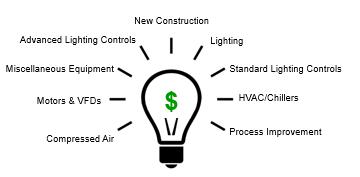
Think Beyond the Bulb
Switching from fluorescent to energy efficient LED bulbs is a common and effective upgrade, but there are many untraditional upgrades and retrofits that will save you both money and energy. A wastewater treatment plant participating in the PPL Electric Utilities Business Energy Efficiency Rebate Program recently implemented controls on their aeration blowers. As a result, they saved 640,530 kWh/year and received a rebate of $38,432 within 3.7 years. Total cost of the project was $227,069.
More than Just Rebates
In addition to navigating the rebate process, technical expertise is available to identify savings opportunities in your facility, as well as assistance in publicizing your accomplishments to your community. By participating in Phase III of Act 29, you’ll not only see savings to your bottom line, but you’ll also:
- Support corporate sustainability goals.
- Improve work environment for employees.
- Lower operating and maintenance costs.
- Increase production outputs.
To find out more about how you qualify for the PPL Electric Utilities Business Energy Efficiency Rebate Program, visit pplelectricbusinesssavings.com.
FOR MORE INFORMATION
Bud Fogleman, Outreach Consultant | CLEAResult | 814-660-2185
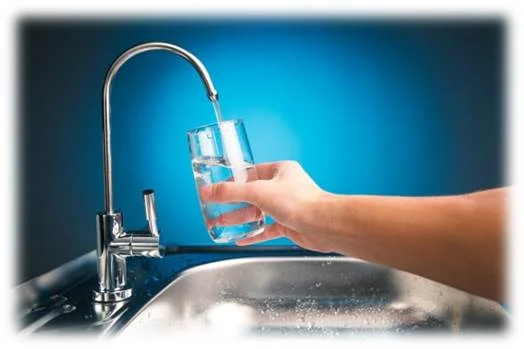
Source Water Protection
In 2016, the Berks County Source Water Protection Program, in partnership with its member organizations, began development of a comprehensive source water protection plan for the entire County.
One County’s Approach to Managing Resources in a Sustainable Manner

In 2016, the Berks County Source Water Protection Program, in partnership with its member organizations, began development of a comprehensive source water protection plan for the entire County. Approximately 90% of Berks County lies within the Schuylkill River Watershed; while 10% drains to the Chesapeake Bay Watershed. The Schuylkill River Watershed is the primary source of drinking water for the City of Reading (pop. 87,000) and the City of Philadelphia (pop. 1.5 million). Approximately 40% of the Schuylkill River watershed is located within Berks County, making the County the largest source water protection area for the Philadelphia Water Department.
Berks County has a population of over 400,000 residents and this program currently covers 266,000 residents in the County. The countywide SWP Plan was completed in 2017. The countywide SWP Program is the first of its kind, and has become a leading model for watershed protection through local and regional partnerships in Pennsylvania. The program’s partners recognized that actions and watershed protection implemented in Berks County directly improves water quality for downstream urban communities, including the entire Philadelphia metropolis.
This source water protection program and its partners embrace the “One Water” concept, expressing the principles of Integrated Water Resources Management (IWRM). IWRM incorporates a coordinated effort to plan, develop, protect, and manage natural resources in a sustainable manner. In this program, source water, stormwater, and waste water are all part of the same resource to be managed effectively. The benefits to working with the Berks County SWP Program include shared resources in public education, access to funding for Best Management Practices (BMPs), and leadership for coordinating the sustainable management of source water, stormwater, and wastewater.

Improving Plant Performance | Wastewater Engineering
SSM performed a High Strength Wastes Review of the Lincoln University facilities and its Wastewater Treatment Plant

JAMIE LORAH, PE | Water/Wastewater Engineer
High Strength Waste Review | Lincoln University
SSM performed a High Strength Wastes Review of the Lincoln University facilities and its Wastewater Treatment Plant which included a detailed review of potential discharges from disinfectants and cleaning chemicals and materials, boiler blowdown chemicals such as corrosion control inhibitors and Biocides, and other chemicals including the use of Quaternary Ammonia products and their effects and toxicity to the treatment plant biomass. SSM also performed treatment process troubleshooting and developed solutions for mitigating the effects from these harmful and toxic discharges.


Helping Communities Implement MS4 Stormwater Programs | Civil Engineering
assistance to municipalities in guiding them through their MS4 program as well as performing outfall inspections and preparing yearly/status reports.
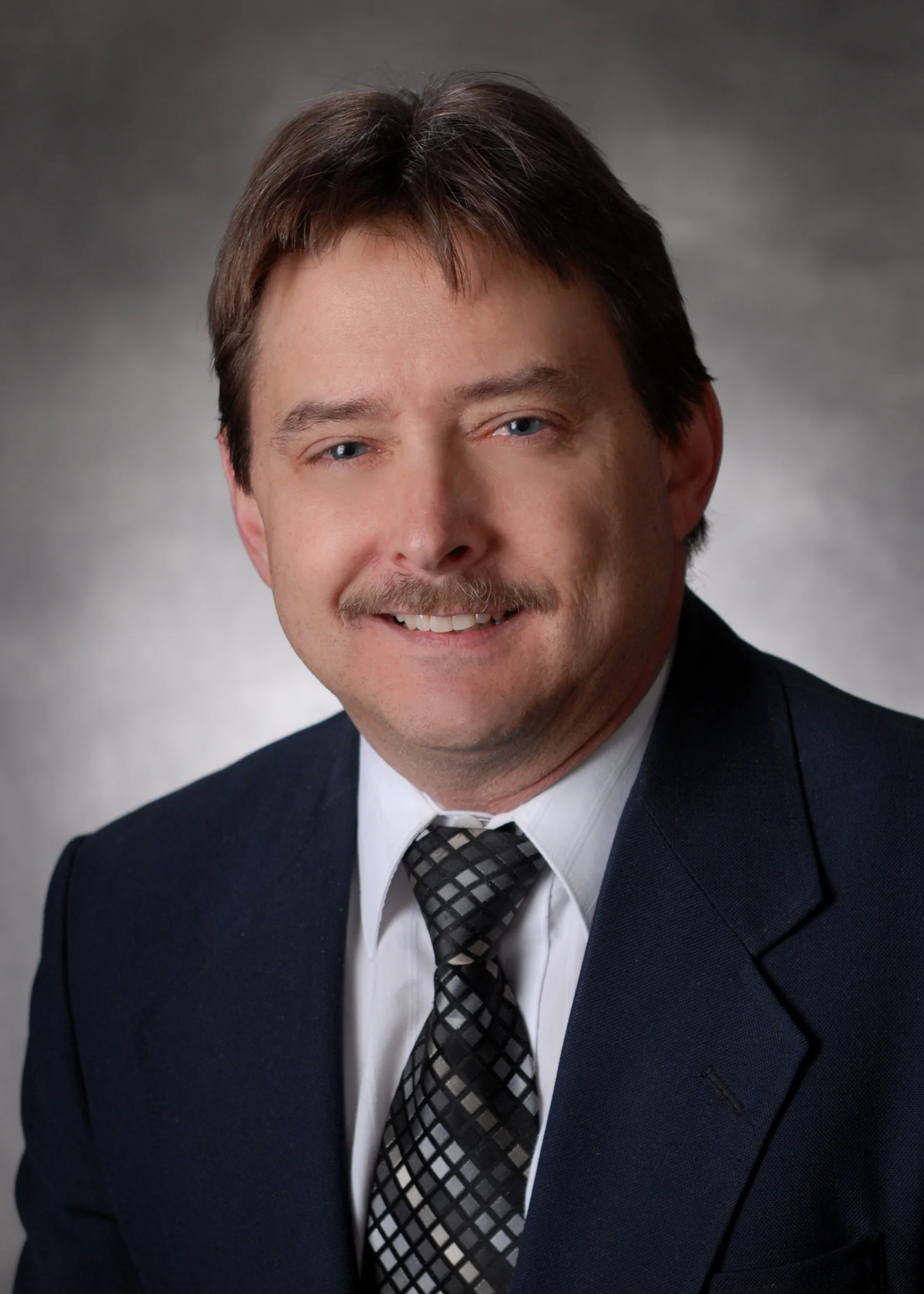
KENT MOREY, PE | Sr. Civil Engineer
Kent serves as primary representative to nine MS4 communities throughout eastern Pennsylvania. He has prepared Pollution Reduction Plans for seven municipalities as well as assisting those municipalities in submitting their 2018-2023 permit Notices of Intent. Duties include assistance to municipalities in guiding them through their MS4 program as well as performing outfall inspections and preparing yearly/status reports.
- Berks County: Leesport Borough, Boyertown Borough, South Heidelberg Township, City of Reading, and Bern Township
- Montgomery County: Perkiomen Township
- Lebanon County: Annville Township
- Chester County: Oxford Borough and West Whiteland Township
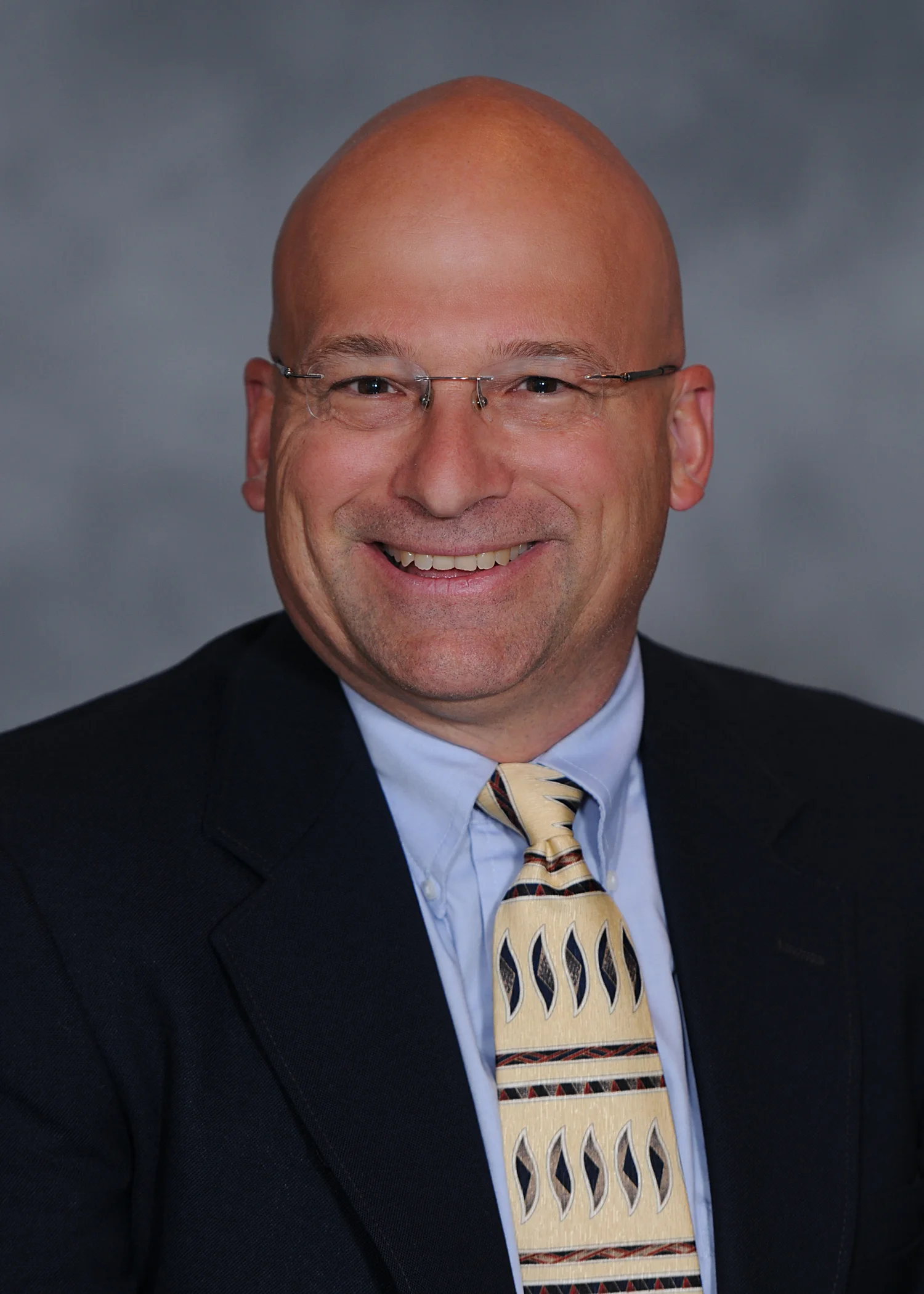
Harnessing the Power of the Sun | Electrical Engineering
Design the 480/277 Volt power distribution interconnection to an existing 2000 Amp Switchboard including 2 New 400AT/600AF Breakers for the Switchboard, Inverter Combiner Panels, PPL Disconnect Requirements Outside Near PPL Transformer, and overall coordination with PPL.

EMERICK MARTIN, PE | Sr. Electrical Engineer
RER Energy Group, Inc.
- Clifton Springs NY 355 KW Solar PV | Designed two separate 480/277 Volt services for the NYSEG utility interconnections of 205 KW and 150 KW ground mounted Solar PV Arrays including the required coordination with NYSEG to extend their aerial primary line to the two sites. The system included the arrays, inverter, solar system metering, and interconnection to the manufacturer’s distribution system.
- AGP Plastics Trumbauersville PA 806 KW Solar PV | Design the 480/277 Volt power distribution interconnection to an existing 2000 Amp Switchboard including 2 New 400AT/600AF Breakers for the Switchboard, Inverter Combiner Panels, PPL Disconnect Requirements Outside Near PPL Transformer, and overall coordination with PPL. The Inverter Combiner Panel includes 60 Amp breakers for the interconnection of each inverter. The system included the arrays, inverters, and solar system metering.

Identifying Sources and Assisting with Grant and Project Funding Submissions | Consulting Engineering
SSM provided assistance with the preparation and submission of the PA H2O grant application to the Commonwealth Finance Authority for a wastewater treatment plant upgrade.

CHRISTINA CRAWFORD, PE |Manager, Project Management
PA H2O Grant Application
Birdsboro Municipal Authority
SSM provided assistance with the preparation and submission of the PA H2O grant application to the Commonwealth Finance Authority for the wastewater treatment plant upgrade. The project was awarded a $5 million dollar grant. Additional project work included processing the grant agreement and the pay application to receive the grant funds.

Improving Plant Performance | Wastewater Engineering
The City of Bethlehem selected SSM to provide engineering services to improve the preliminary treatment processes at the City’s wastewater treatment plant.

DAN CONNOLLY, PE | Manager, Water and Wastewater Engineering and Design
City of Bethlehem | Fine Bar Screen and Detritor Upgrades
The City of Bethlehem selected SSM to provide engineering services to improve the preliminary treatment processes at the City’s wastewater treatment plant (WWTP). The WWTP, permitted for 20 MGD, receives flow from the City’s combined sewer collection system and can experience storm flows as high as 50 MGD. Existing preliminary treatment equipment included four traveling rake screens with 5/8” vertical bar spacing, and four detritors. The primary goal of the project was to replace the existing screens with four new flexible rake screens having 1/4” vertical bar spacing. As a result, debris collected from each pair of screens is processed by a new washer/compactor reducing organics and the volume of the material to be disposed. In addition to addressing future changes to the detritor system, engineering services included preparation of PADEP WQM Part II Permit, preparation of contract documents, bid phase management and construction inspection.
Additional project work included installation of new slide gates to isolate the screens; replacement of the existing floor grating; replacement of severely corroded doors; repair of the concrete channels; and application of a new protective coating. The new screens improve the overall performance of the WWTP by reducing the amount of rags and plastics collecting in downstream tanks and eliminate problems caused by blinding of the screens during wet weather events.

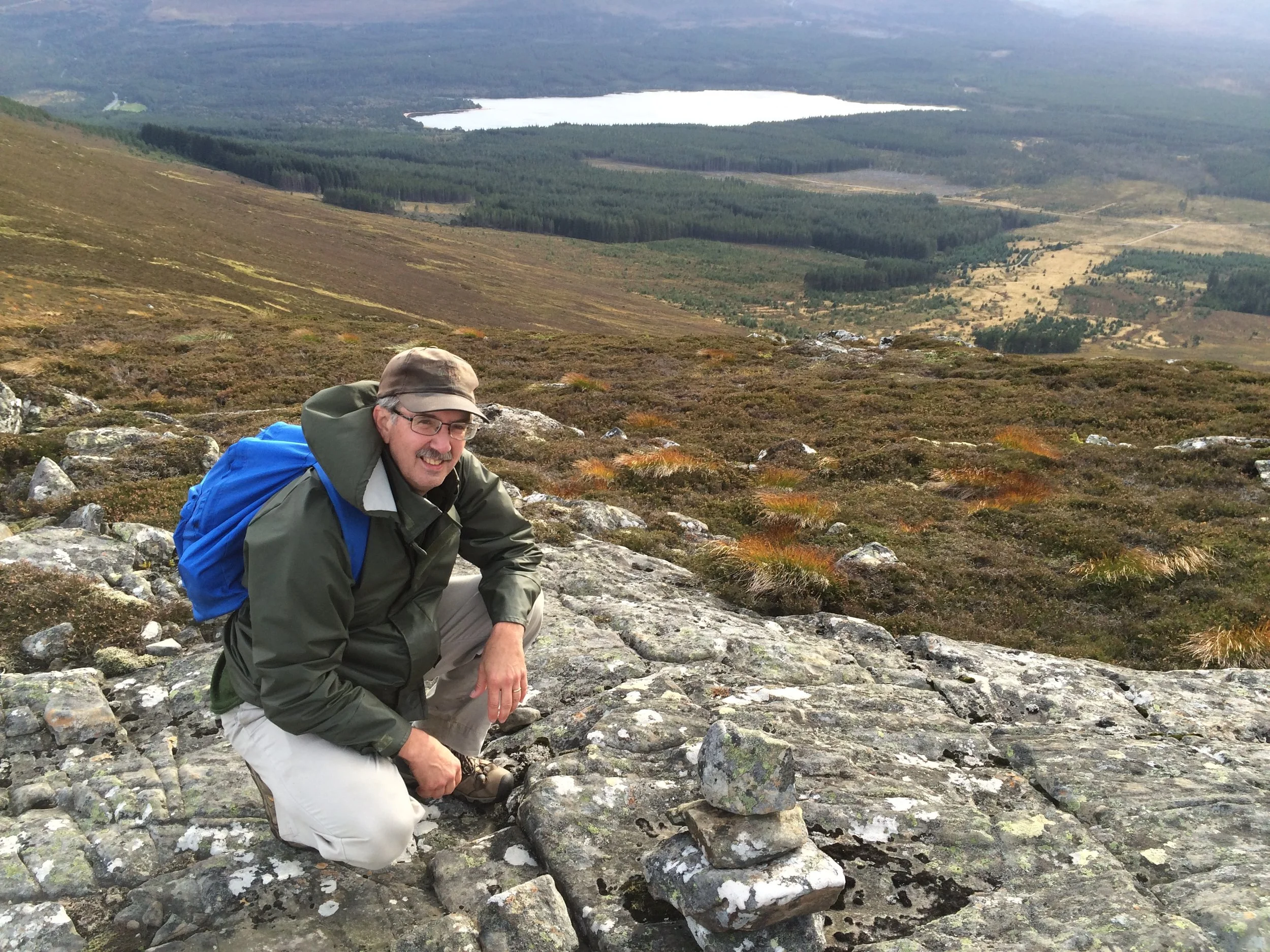
Rehabilitating Community Roadways | Municipal Engineering
SSM provided civil engineering services for the rehabilitation design for 0.9 miles of a former state highway that was turned back to the Township.

MARK STABOLEPSZY, PE | Director, Municipal Engineering and Planning
Perkiomen Township | Haldeman Road Rehabilitation
SSM provided civil engineering services for the rehabilitation design for 0.9 miles of a former state highway that was turned back to the Township. It included storm sewer and roadside drainage upgrades, select base repair, levelling course and bituminous overlay.
SSM performed field survey and prepared base plans, determined project scope and bid quantities, performed design, prepared project bid specifications and drawings, coordinated bid phase activities, and handled all construction phase activities, acting as the Township’s agent during the construction phase. We maintained coordination with PennDOT municipal service representatives. This project was completed in 2017. The construction cost was approximately $503,000.

Renovating Existing Building Systems | Mechanical Engineering
The scope of the project was to replace the existing fan coil units, greater than 270 individual units, and upgrade the existing two-pipe system to a four-pipe system in each building.

MICHELLE HOHL, PE | Mechanical Engineer
Marymount University
Berg Hall and Rowley Hall HVAC Upgrade
Berg Hall and Rowley Hall are both dormitory buildings located at Marymount University in Arlington, VA. The existing dorm rooms in each building were served by fan coil units supplied by a two-pipe heating and cooling system. The scope of the project was to replace the existing fan coil units, greater than 270 individual units, and upgrade the existing two-pipe system to a four-pipe system in each building. Work in Berg Hall also included replacement of the existing air-cooled chiller with two new 35-ton water-cooled heat recovery chillers, and the addition of a dry cooler. The existing boilers were also replaced with a new 600 MBH boiler, and new pumps were provided for the heating system as well as the cooling system.
SSM performed a detailed field survey of each building. The existing fan coil units were located in extremely tight spaces above the ceiling. Converting the system from a two-pipe system to a four-pipe system required detailed coordination with existing architecture and other utilities. SSM conducted the field survey over the Winter break while students were not on campus, and then quickly completed the design to meet the aggressive permit submission deadline.

Keeping the Structure Safe | Structural Engineering
Structural Engineering for Adaptive Residential Reuse of Former School

JEFF THOMS, PE | Sr. Structural Engineer
Structural Engineering for Adaptive Residential Reuse of Former School
Kramer Marks Architects | Duffy School Apartments
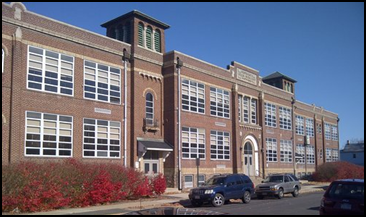
When the Marcella L. Duffy School was established as Florence School No. 1 in the 1870s, the four-classroom building was the first public school in the community. Located in Florence, New Jersey, this project involved the development of 53 units of affordable, senior housing. The original 1870s school building required substantial on-site inspection during construction. A three-story wood framed addition extended the building. The project emphasized the adaptive reuse and rehabilitation of the Duffy School into an apartment building featuring historic renovation / revitalization of the former school, completed in 1924, plus new amenities for today's lifestyle. The sustainable design features of this project satisfy the standards of New Jersey’s ENERGY Efficient Homes and USGBC LEED© for Homes programs.

$25,000,000 available for PA Small Water and Sewer Grants

SSM assisted our clients in obtaining over $370,000 in CFA Grant funding last year, as well as $200,000 in other DCED Grant funding.
FOR MORE INFORMATION: Jamie Lorah, PE
The Commonwealth Financing Authority (CFA) announced another round of PA Small Water and Sewer Grants for 2017-2018. To be eligible for reimbursement, project costs must be incurred within the time frame established by the grant agreement. To apply for funding, the applicant must submit the electronic online DCED Single Application for Assistance. Applications are due February 28, 2018.
Eligible Projects:
Eligible projects are those with a total project cost between $30,000 and $500,000 that involve the construction, improvement, expansion, repair, or rehabilitation of a water supply or sanitary sewer system (including water and wastewater treatment facilities and pump stations) which is owned and maintained by an eligible applicant.
An eligible project also includes consolidation or regionalization of two or more water supply systems or sanitary sewer systems which are managed or operated as an integrated system regardless of whether the system is physically connected.
Eligible Use of Funds:
Funds may be used by the applicant to pay for any of the following project costs:
- Construction, improvement, expansion, repair, or rehabilitation of a water supply system or sanitary sewer system.
- Installation of security measures.
- Acquisition of land, rights-of-way and easements necessary to construct an eligible project.
- Purchase and installation of fixed equipment.
- Engineering and design costs not to exceed 10% of the grant amount and inspection costs related to the construction of an eligible project.
- Permit Fees.
- Costs to secure appropriate bonds and insurance.
- Administrative costs of the applicant that are necessary to administer the grant, including: advertising, legal costs, and documented staff expenses (not to exceed 2% of the grant amount).
- Project contingencies associated with construction costs (up to 5% of the eligible construction costs).
Ineligible costs include, but are not limited to, fees for securing other financing, interest on borrowed funds, refinancing of existing debt, lobbying, fines, application preparation fees, tap in fees, and costs incurred prior to approval.

Changes to PA One Call
Amendment highlights to the Underground Utility Line Protection Law which take effect April 28, 2018 and what it means to you.
Amendment highlights to the Underground Utility Line Protection Law which take effect April 28, 2018 and what it means to you.
Administratively, the duties of the PA One Call are being transferred from the Department of Labor and Industry to the Public Utility Commission (PUC). There will also be changes to the way violations are handled.
Enforcement by the PUC will entail investigating alleged violations by a Damage Prevention Investigator and the formation of a Damage Prevention Committee. The Damage Prevention Investigator will present findings and recommendations to the Damage Prevention Committee if it is determined that a violation occurred. The Committee can issue a warning, require the person to attend training, or issue an “informal determination” to modify or dismiss a recommendation/impose a penalty.
Tiered Maximum Penalties:
- Repair - up to $5,000/violation if repair is less than $3,000; up to $10,000/violation if repair is greater than $3,000; up to $50,000 with injury, death or property damage greater than $25,000;
- Administrative - penalties for repeat offenders, and tiered maximum limits ($1,000, $5,000 or $10,000) based on personal injury or property damage assessment.
Appeals will be referred to the PUC’s Bureau of Investigation and Enforcement as a “formal complaint.”
The Bill includes several new definitions many of which are aimed at the natural resources extraction
industries (natural gas, pipeline, and oil and gas well issues), excepting surface mining and coal mining.
Duties and requirements of Facility Owners:
- Participate in the One Call System’s Members Mapping Solutions, requirements to be determined.
- Communicate directly with excavator within two hours after re-notification when Facility Owner failed to respond to a location request.
- Submit reports of alleged violations to PUC within 30 business days if cost to repair is greater than $2,500.
- Maintain existing records of abandoned “main” lines and locate, if possible.
Duties of Designers:
- Report violations to PUC within 30 business days.
- Paying a “request fee” (annual) to the One Call System.
Duties of Excavators:
- Report if facilities lines are struck or damaged.
- Requesting facility location before excavation and paying a locate request fee (annual).
- Re-notifying if a facility is unmarked or incorrectly marked.
Duty of Project Owner:
- Provide report within 10 business days if owner believes a violation (line damage) occurred.

Reaching New Heights
We are using drone technology, HDS and BIM on our projects to enhance our collaborative relationships with outstanding results.

We are using drone technology, HDS and BIM on our projects to enhance our collaborative relationships with outstanding results. We can measure things that couldn't be measured before, capture images of existing conditions for future reference, bring information to your fingertips as well as create reference points for future site considerations. Drones are a powerful solution for monitoring construction, capturing hard-to-reach details, and documenting infrastructure on expansive sites.
APPLICATIONS
- Construction Monitoring
- Volumetric Computations
- System Layout
- Hot Spots/Heat Loss Detection
- Litigation Support
- Aerial Site Evaluation
- Rooftop Evaluations
- Erosion and Damage Assessments
We know data.
We utilize advanced hardware tools in the surveying business with the latest software tools available for architects and engineers to prepare high-accuracy, 3D virtual models for presentation, design documentation and construction coordination.
High-Definition Laser Surveying (HDS) is a non-intrusive, non-contact method to obtain three-dimensional geometry measurements and models of existing structures and sites for both large and small-scale projects. SSM is using HDS for campus master planning, historic building preservation and industrial complexes.
Quickly map and model large, complex sites and structures and visually show modifications
- Accurate measurements of areas that were once thought of as too dangerous or difficult to access
- Acquires as-built information inside and outside of any structure quickly and efficiently
- Used under any lighting conditions
- Allows for “virtual” revisit of the same site or structure
- Overlays of digital photos can be added

Building Information Modeling (BIM) is more than a 3D virtual model, it is a powerful database and collaborative design and management tool that can be used throughout the lifecycle of a building. Those that use it know it works; and can measure their savings in terms of dollars, time, and labor, by reducing or eliminating incompatible elements of the design early in the process when it’s less expensive to make changes.
As an evolution of computer aided design, BIM is quickly becoming the preferred approach for design construction and operation of renovated and new buildings. SSM’s facilities engineering staff utilizes REVIT BIM (Architecture, MEP and Structure) and we are on the leading edge of our industry by incorporating HDS and BIM in deliverables and our design process.

Implementing innovative water and wastewater treatment technologies for decades.
The First Egg-Shaped Digester Treatment System in Pennsylvania: Planning, engineering design, and construction management of wastewater treatment system for the Borough of Kutztown.
1.35 MGD Vertical Loop Reactor Oxidation Ditch for Birdsboro Municipal Authority Wastewater Treatment Plant.
The First Egg-Shaped Digester Treatment System in Pennsylvania

Innovative treatment technologies
Planning, engineering design, and construction management of 1.5 mgd wastewater treatment system for the Borough of Kutztown. The project utilized an innovative treatment technology called the egg-shaped digester system. The digester has a unique egg-like shape, which accounts for many of the benefits claimed by its supporters. Sludge in an egg-shaped digester (ESD) can be mixed more completely and with less energy than can a conventional cylindrical-shaped digester. There are no "corners" or dead spots in the tank where mixing does not occur or where solids can settle out. This results in a more efficient and more complete digestion process with higher gas production. The steep sloping sidewalls at the bottom of the egg keep grit and heavy solids moving until they reach the bottom of the tank where they can be removed or resuspended. The converging sidewalls at the top of the egg concentrate the scum making removal relatively easy. The major benefits of this type of system were a high rate of gas production, a sludge heating system that utilized digester gas rather than fuel oil as previously used to heat the sludge, and a 2% increase in digested sludge solids. The social implication of this is that a more highly processed sludge will be produced and it is intended that the excess renewable gas will be used for on-site power generation for some plant needs and thus reduce commercial power usage.
The ESD was the first such unit in Pennsylvania. It received an Engineering Excellence Award from the Pennsylvania Consulting Engineers Council.

1.35 MGD Vertical Loop Reactor Oxidation Ditch
BIRDSBORO MUNICIPAL AUTHORITY WASTEWATER TREATMENT PLANT
SSM designed the Wastewater Treatment Plant upgrade for the Birdsboro Municipal Authority to meet the NPDES permit limits and be in compliance with a PADEP consent order. The innovative design of the vertical loop reactor (an oxidation ditch turned on its side) allows for the mixing and aeration to be provided by disc rotors supplemented with coarse bubble air diffusers for aeration. The WWTP is capable of handling high peak flow and provide nitrification and denitrification within the same tank providing a small footprint on the limited space on the WWTP site. A slurry wall utilizing high clay content material installed below grade shaped the barrier walls that surround the WWTP. The wall was constructed to prevent water from percolating through the ground under a dike and allowing the WWTP to be protected during potential flooding events.
Answering the multi-faceted needs of our clients with a single source for engineering services.
We Are Successful When Our Clients Are Successful
We have always understood that it takes a lot to make and market a product, assure regulatory compliance and address needs such as increased capacity, routine maintenance and facility expansion. That's why manufacturers of everything from chocolate to steel have turned to SSM when it comes time to plan more efficient warehouses and distribution centers, conduct feasibility studies, upgrade utilities and building systems, improve traffic flow and expand operations. Just as it was in 1967, SSM provides our clients with the benefit of multi-discipline engineering capabilities.
Collaboration and Complex Projects
Our solutions are as unique as your problems. Everything we do begins with a challenge. A client's need or vision to make part of the world better: cleaner, safer, healthier, faster, smarter, closer, more modern, more efficient, or otherwise more useful. Whether a client requires expertise in a single specialty or the integration of a wide variety of engineering disciplines, SSM is the single source for the solution. We utilize an integrated design process on all of the projects we undertake, because collaboration and integrated design reduce design costs and constant communication increases the chances of project success.
Renovations and Reuse: Existing Building Experts
Design and construction for renovations and retrofits demands a different set of expertise and talents than new construction. And lots of experience. SSM utilizes experienced staff and technology tools to maximize avoided costs during planning and design. SSM specializes in engineering and environmental consulting and design for existing buildings and infrastructure.
In 2004 SSM expanded it’s facility engineering expertise to the high tech building market, including R&D laboratories, data centers and telecommunications facilities, extending the geographic market from the Mid-Atlantic region to the Eastern United States and the U.S. Virgin Islands.
We have extensive experience in renovating, expanding and upgrading Mission Critical Data Centers including helping our clients to maximize efficiency and reduce operational costs. Our facility engineers utilize CFD analysis to optimize the cooling system and layout. The data power load and the cooling system are matched and arranged to achieve maximum energy efficiency. This keeps the cost of cooling both in equipment and operation down while maximizing the data load capability.

PENNSYLVANIA HISTORICAL AND MUSEUM COMMISSION | Pennsbury Manor
Upgrade HVAC Systems with Geothermal and Other Energy Saving Equipment Pennsbury Manor is a historic recreation of William Penn’s 17th century estate. SSM provided design phase activities including site reconnaissance to compare existing drawings to discovered conditions, field surveying, and HVAC analyses of the buildings to determine appropriate sizing, as well as site environmental assessments for hazardous materials (asbestos) that may be impacted by proposed upgrades. We provided drawings representing existing conditions, life cycle cost analysis, and preliminary site layout design drawings.

On the forefront of Source Water Protection for more than 25 years.
Everyone deserves clean water

"Everyone deserves clean water."
-Lou McCoy
Governor’s Award for Environmental Excellence | Wellhead Protection Program, Telford Area, Montgomery and Bucks Counties, PA
In the early 1990’s, SSM’s water resources group worked with Telford Borough Authority to develop a Wellhead Protection Program. This program was one of the first group of three projects to be recognized by the Pennsylvania Department of Environmental Protection and the U.S. Environmental Protection Agency as being in full compliance with Pennsylvania Wellhead Protection Program requirements. The program received the Governor’s Award for Environmental Excellence for a Regional Wellhead Protection Program in Berks County. The program was honored at a public recognition ceremony by both agencies on June 16, 1999.
SSM assisted with creating the steering committee, making public presentations, technical input, and program management. Telford Borough Authority was designated as a Groundwater Guardian Community. The Authority was awarded a Growing Greener Grant to further develop their wellhead protection program. The refinements include a water-level and water quality network. A series of water-level data loggers were installed and as an early warning system for drought management. A wellhead protection GIS tool was also developed to track and manage data associated with the groundwater protection zones.
Celebrating a Decade of Source Water Protection
SSM is celebrating 10 years of working in conjunction with DEP and Community Water Systems to protect drinking water through the SWPTAP. Recently the DEP renewed the program and awarded SSM a SWPTAP 5-year contract extension.
The Source Water Protection Technical Assistance Program (SWPTAP) was created by the Pennsylvania Department of Environmental Protection (DEP) to help community water systems protect their drinking water. SWPTAP is a voluntary program designed to keep drinking water sources clean by eliminating harmful contaminants from the source water. For the community water provider, SWPTAP has economic benefits such as reducing water treatment costs, and reducing the burden of engineering controls to keep drinking water clean. The Program also provides environmental benefits such as clean water for sustaining native ecosystems.
The Source Water Protection Program was initiated in 1996 through federal law emanating from the Safe Drinking Water Act (SDWA). While the initial SDWA focused on water quality at the tap, protecting drinking water sources provides another important layer of protection. Source water protection plans are custom-tailored to accommodate water providers that serve large cities, and also to small systems that serve less than 50 people.
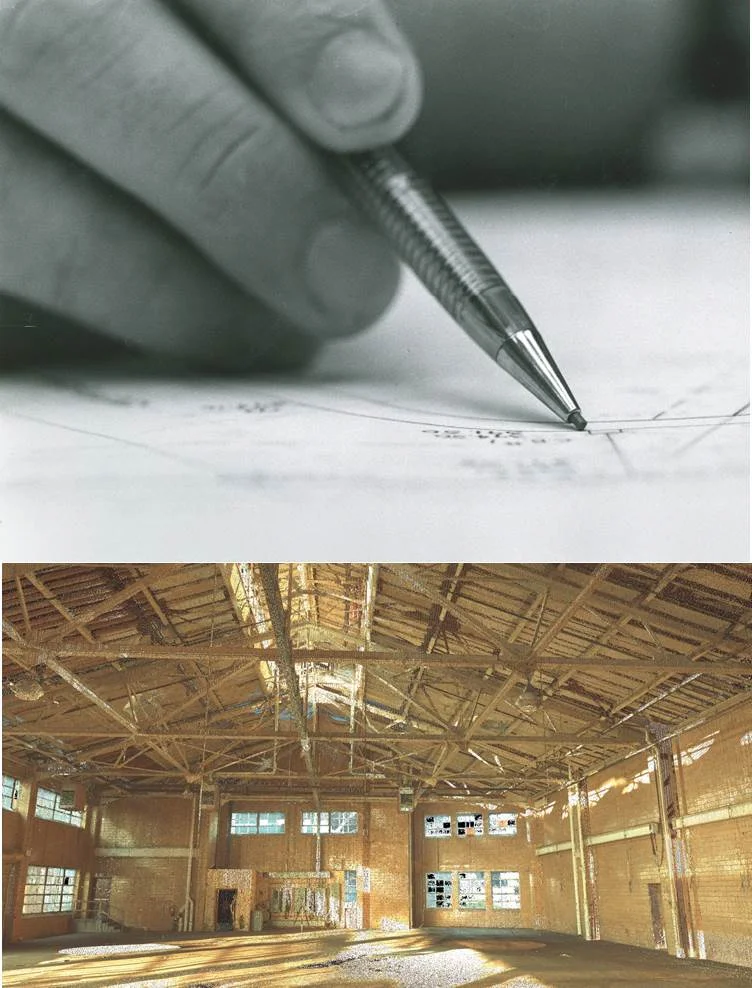
Our archives contain the most complete record of local survey and site plans in the region.
Yes, slide rules, T-squares, triangles, and compasses have been replaced with 3D software, scanners, and drones but nothing will replace our knowledge, experience and first class survey staff.
Surveying: At the core of our business for 85 years

center: Walter Spotts
In 1932, engineering and surveying was a manual process. It started with paper and pencil, capturing data and measurements in the field and then drawing out plans and designs by hand.
Wally Spotts and his team of surveyors conducted field surveys with such tools as a compass, transit, theodolite, steel tape, level and rod. When they returned to the office, the hand-drafting began. Over the past 85 years, there have been a lot of changes in the industry. It’s no longer a manual process.
The introduction of computer-aided drafting (CAD) in the 1980’s significantly changed the way that surveyors and engineers interacted with data. The introduction of GPS allowed our surveyors to use satellites for improved accuracy across miles of terrain; and Robotic Total Stations measure distance and angles via a remote control, allowing us reduce the size of survey crews, and subsequently capture more data points per day.
In the 2000’s the development of laser scanning technology provided quick data capture opportunities for areas that were difficult to reach. SSM purchased their first high-definition scanner in 2007. Coined Lucille by the staff, the high-definition laser scanning technology provided a non-intrusive method to obtain three-dimensional geometry measurements and models of existing structures and sites for both large and small-scale projects. Our recent addition of P40 Leica scanner captures 1,000,000 data points in a second.
We use Drone Flight Services and High-Definition Laser Scanners to obtain 3-D models and measurements of existing structures and sites. This non-intrusive, cost-effective technology saves time while raising the bar for high-definition precision in large- and small-scale projects such as campus master planning, historic building preservation and industrial development or impact sensitive agricultural and preserved lands.
Our surveying and mapping services have always integrated innovative technology. Data points from conventional Total Stations, data collection systems, robotics, high-definition scanning, drone services, and other state-of-the-art equipment are transferred electronically to our CAD system for engineering design. With equipment becoming more sophisticated, the entire process from start to finish has gotten faster and more data intense. More data points can be captured with more accuracy than ever before.
Yes, slide rules, T-squares, triangles, and compasses have been replaced with 3D software, scanners, and drones but nothing will replace our Knowledge, Experience and First class survey staff.
