
Protecting Water Sources
Learn more about water: where it comes from and why we work to keep it clean!
There is so much to know when it comes to your H2O!
First thing’s first, where does it come from?
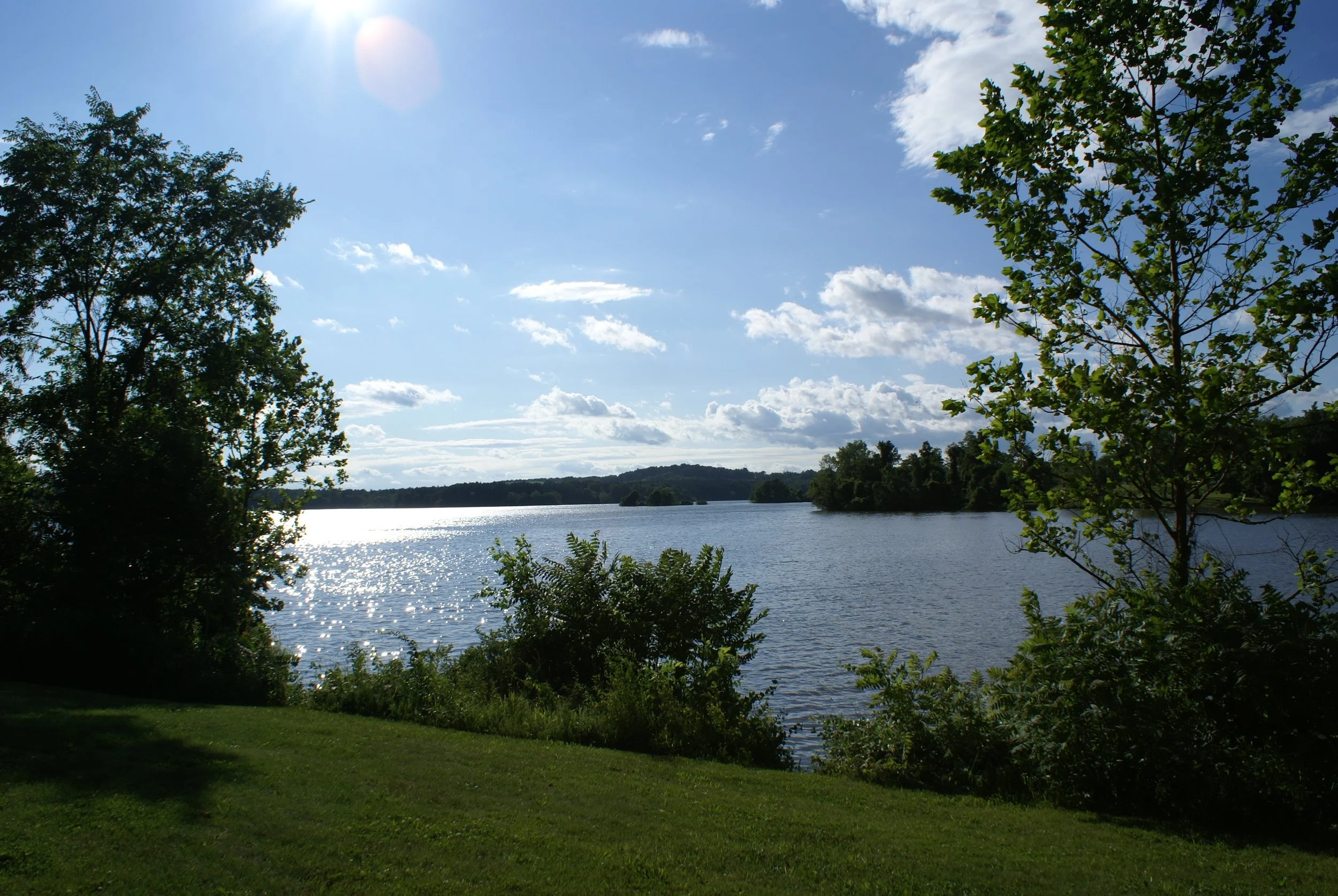
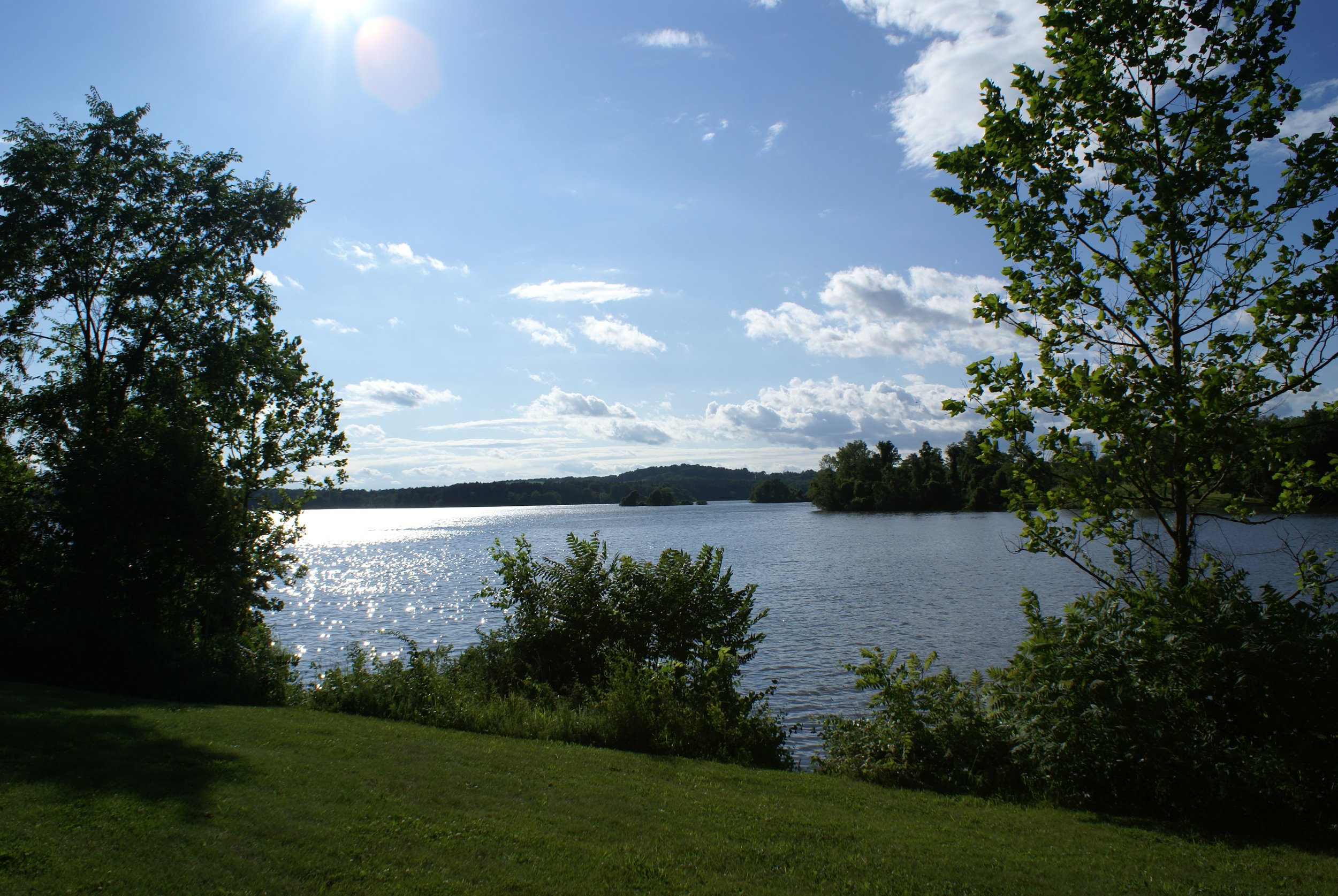
The water you drink can come from a surface water source, like a river, stream, lake, or reservoir, or a groundwater source, such as a well or spring.
When it comes to groundwater sources, wells pump water from an aquifer, or water flows from the aquifer through a spring. An aquifer is recharged when rainwater or snowmelt seeps into the ground and is stored in the rock below.
In the case of surface water sources, an intake structure is constructed in the water body to pump water to a treatment plant. Water flows over the land, from high points to low points, collecting in bodies of water, which continue to flow downgradient. The land and water bodies draining to a single location are collectively called a watershed.
Now that we know where the water comes from, why is it important?
It’s important to know the water source for your community because of the risks that come along with it. Because water travels over and through the land before we collect it, there is a chance of pollutants contaminating the water.
When rain falls and runs over and through the land and into source waters, it can carry trash, bacteria, oil, hazardous chemicals, or any other type of pollutant with it. Even when rain falls on undeveloped regions, fertilizers, pesticides, pet and wildlife waste, and soil erosion can be picked up by the runoff and pollute source water.
So, what can be done to keep our source water clean and safe to drink?
Spotts, Stevens and McCoy is a technical partner of the Source Water Protection Technical Assistance Program (SWPTAP), which is funded by the Pennsylvania Department of Environmental Protection (PaDEP). SWPTAP offers funding and technical assistance to public water suppliers looking to develop a source water protection plan for their sources. Participating communities receive a source water protection plan developed specifically for their water system, at no cost to the water supplier.
Our team of professional geologists and environmental specialists delineate protection areas for each well, spring, or intake, which show the land area that contributes to the source. Once protection areas are delineated, a list of potential sources of contamination within the areas is compiled, and strategies for managing the protection areas are considered.
In addition to our participation in SWPTAP, our team can also develop plans for emergencies at a water system, and investigate and develop back up water supply options in the event they are needed.
The best reason to make sure your water supply is safe is for you!
Benefits of source water source protection include:
Public Health protection- keeps contaminants out of water.
Reduced treatment costs- clean water is less costly to treat and reduces system operation and maintenance costs.
Economic benefits- clean water will enhance your communities’ chances of attracting employers and possibly tourists to the now beautifully clean region.
Environmental stewardship- protecting water will sustain the native ecosystem and improve quality of life for the future.
At Spotts, Stevens, and McCoy we are always looking for new, better ways to protect your drinking water. By protecting your source of drinking water, we protect the future of the environment for generations to come.










2019 PennTec Annual Conference
Outfall Field Screening Report & Data management through ArcGIS Online

GIS Tools for MS4 Compliance Reporting
Municipal Separate Storm Sewer Systems (MS4)
Outfall Field Screening Report
Data management through ArcGIS Online
Field data collection through mobile apps
Report generation through Microsoft mail-merge tools
Record keeping through GIS-based infrastructure asset management program
Presented by Alfred C. Guiseppe, PG, Director, Water Resources
al.guiseppe@ssmgroup.com
2019 PA GIS Conference - GIS Tools for MS4 Compliance Reporting
GIS Tools for MS4 Compliance Reporting

GIS Tools for MS4 Compliance Reporting
Municipal Separate Storm Sewer Systems (MS4)
Outfall Field Screening Report
Data management through ArcGIS Online
Field data collection through mobile apps
Report generation through Microsoft mail-merge tools
Record keeping through GIS-based infrastructure asset management program
Presented by Alfred C. Guiseppe, PG, Director, Water Resources
al.guiseppe@ssmgroup.com

New Technologies in the Source Water Protection Program
Exploring new technologies in Source Water Protection
Al Guiseppe, PG, Director Water Resources at Spotts, Stevens and McCoy presented at the 2019 Pennsylvania Groundwater Association Annual Winter Conference on January 25, 2019 at the Holiday Inn, Grantville/Hershey, PA. His presentation presented an overview of the Source Water Protection Technical Assistance Program and new technologies including online data, mobile GIS applications, and operations dashboards.

Mariner East 2 Pipeline Grant Opportunity
The Department of Environmental Protection (DEP) announced the creation of a new water quality project grant program funded by the penalty assessed against the Mariner East 2 (MEII) Pipeline.

Grants will be awarded for projects that reduce or minimize pollution and protect clean water in the 85 municipalities along the length of the pipeline corridor.

Examples of eligible projects include:
- Projects to improve water quality while enhancing community recreational opportunities, such as restoration and enhancement of natural water resource features at community parks and public properties, including lake restoration and wetland creation.
- Projects to educate future generations about water resource protection, such as demonstration projects that showcase pervious pavement, stormwater runoff management features and systems, bioretention systems, constructed wetland complexes, stormwater runoff collection and reuse projects, stormwater mitigation projects that reduce rate and volume and improve water quality on a school or other public property.
- Projects to improve and/or protect public drinking water sources and infrastructure, such as repairs to drinking water system source facilities that improve resiliency of the water supply, including water supply dam rehabilitation work and upgrades, and repairs to water treatment infrastructure and water intakes.
- Municipal Separate Storm Sewer System (MS4) projects to address rate, volume and/or sediment load, including flood-control project features and retrofits to existing stormwater runoff control infrastructure that reduce rate and volume of stormwater runoff.
- Projects that result in nitrogen, phosphorus, sediment load reductions within the Chesapeake Bay watershed and impaired waters, including stream buffers, stream restoration projects, wetland restoration or enhancement projects.
- Projects that result in water quality improvements in DEP Priority Watersheds and Impaired Watersheds within the 85 municipalities.
The Department of Environmental Protection (DEP) announced the creation of a new water quality project grant program funded by the penalty assessed against the Mariner East 2 (MEII) Pipeline. Grants will be awarded for projects that reduce or minimize pollution and protect clean water in the 85 municipalities along the length of the pipeline corridor. These grants will be directed to the municipalities to eliminate pollution and protect the public from unsafe dams, water obstructions, and encroachments.
In February, DEP collected the $12.6 million penalty for permit violations related to the construction of the project. The penalty, one of the largest collected in a single settlement, was deposited into the Clean Water Fund and the Dams and Encroachments Fund, in accordance with the provisions of the Clean Streams Law and the Dam Safety and Encroachments Act.
Eligible grant applicants include the 85 municipalities, county conservation districts, incorporated watershed associations, educational institutions, and non-profit organizations along the length of the MEII Pipeline.
The 45-day grant application round will open May 7 and close June 21. DEP anticipates announcing the approved projects in the summer of 2018.
For more information about the Program
- Eligible applicants can apply via the Commonwealth of Pennsylvania Electronic Single Application website.
- Mariner East II Pipeline Webpage
- Questions should be directed to R. Scott Carney, Chief Watershed Support Section, 717-783-2944.
It's the Little Things that Matter in Stormwater Management
There are many ways to attack a stormwater management issue, and in a large watershed, the task can seem daunting. But when you stop and think about it, it really comes down to identifying, prioritizing, and properly managing small areas of land within the larger watershed.
With the Chesapeake Bay Reboot and new MS4 permit requirements hitting municipalities, many are left asking, “How can we possibly accomplish this?” There are many ways to attack a stormwater management issue, and in a large watershed, the task can seem daunting. But when you stop and think about it, it really comes down to identifying, prioritizing, and properly managing small areas of land within the larger watershed. The combined impact of small BMP projects on a watershed can be astounding, and are only amplified as one moves downstream.
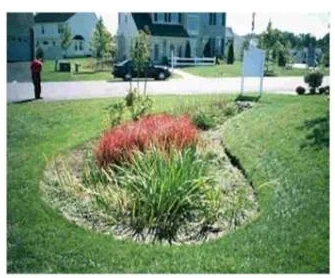
At Spotts, Stevens and McCoy, we’re able to help our clients find the most cost efficient way of achieving their permit and pollution reduction goals. By utilizing mapping and modeling software, such as ArcMap, MapShed, and the BayFAST models, we’re able to get an idea as to how current land uses and activities within MS4 limits impact local waterways. We can also make adjustments for any existing BMPs, and plan for the future by determining the most cost efficient BMPs, and the location in which they’ll have the biggest impact on water quality. For instance, planting a rain garden down-gradient of a large parking lot could have a bigger impact on water quality than the same rain garden in a grassy park.
When we look at water quality issues at the local level, as opposed to a large watershed scale, not only are the concepts and goals more reasonable and achievable, but we’re able to engage the community to do their part. Instead of worrying about cleaning up the bay downstream, worry about cleaning up your local streams. These little actions can lead to big impacts. Residents will take pride in BMP projects and results, and will get excited about being able to use the waterways for recreation and fishing. As a bonus, you’ll still be doing your part in helping your downstream neighbors.
FOR MORE INFORMATION: Ashton Hogarth, Environmental Specialist

An example of how stormwater BMPs can be situated so as to achieve the greatest impact on water quality (images from the PA DEP Bureau of Watershed Management “Pennsylvania Stormwater Best Practices Manual”, Chapter 6)
Discussion Topics:
What is Source Water Protection?
Where to find protection zone information
Concerns with potential contamination issues and follow-up information
Managing Risks
Resources for education of customers and residents