

Sydney Jernigan, EIT Named Senior Graduate Engineer
Sydney Jernigan, EIT has been named Senior Graduate Engineer, Process Engineering and Design.
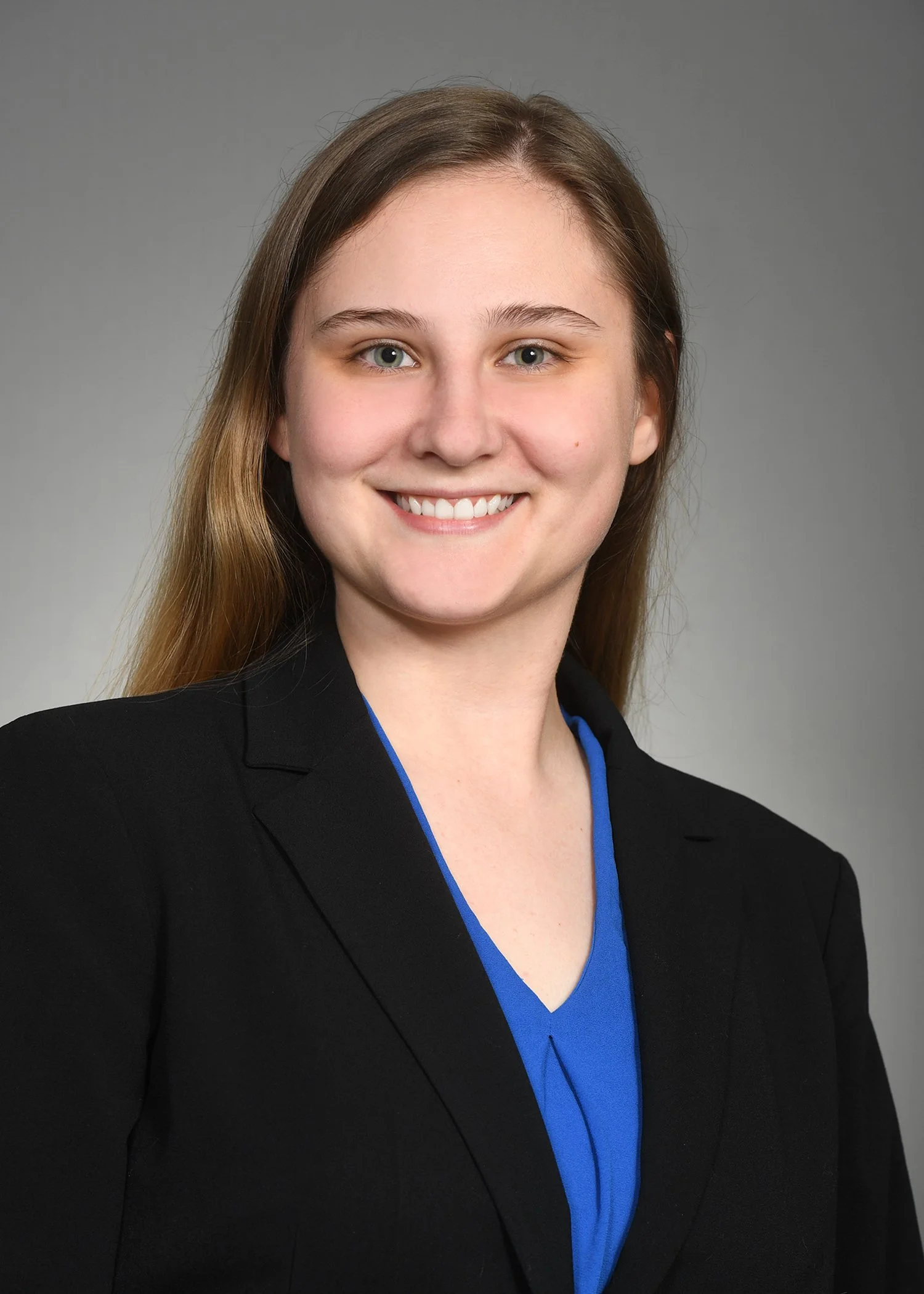
SYDNEY JERNIGAN, EIT
Sr. Graduate Engineer
Sydney Jernigan, EIT has been named Senior Graduate Engineer, Process Engineering and Design. In this role her responsibilities include data analysis, preparation of DEP and DRBC permit applications and renewals, preparation of legal specifications and bidding documents and coordinating various reports for water and wastewater systems.
Sydney has five years of experience in environmental engineering including experience with hydraulic modeling of water systems and 3D pipe design, preparation of CFA Grant Applications and preparation of Act 537 Sewage Facilities Planning. She holds a Bachelor of Science in Civil Engineering from Temple University. She is also professionally affiliated with the Eastern Pennsylvania Water Pollution Control Operators Association (EPWPCOA).
About the Firm: Spotts, Stevens and McCoy, Inc. is a family-owned regional engineering, environmental and surveying firm headquartered in Wyomissing PA with satellite offices in Lancaster, West Chester and Lehigh Valley. SSM provides services to various types of local, regional and national businesses that include commercial, industrial, manufacturing and telecommunications as well as healthcare and higher education institutions.
Water Quality Reporting - Consumer Confidence Reports
SSM assists many of our clients to prepare their annual Consumer Confidence Report. The CCR is a general overview of the water quality delivered by community water systems to their customers. Here’s what you should know about it.

Water Quality Reporting
In 1996, Congress amended the Safe Drinking Water Act, adding a provision requiring that all community water systems deliver to their customers a brief water quality report annually.
What is a CCR and why do I get it?
A groundwater or surface water source may encounter many contaminants as it travels to a water treatment plant. While treatment systems will remove the majority of these pollutants, some level of contaminants are to be expected - whether they are minerals or bacteria naturally present in the environment, or potentially harmful substances resulting from human activity.
In light of the 1996 Safe Drinking Water Act, community water systems are required to provide their customers with a water quality report on an annual basis. This report is to inform customers about these contaminants in their drinking water, and provide information regarding levels of concern for the consumer. The Consumer Confidence Report (CCR) contains language pertaining to the system’s source of water, potential health effects of certain contaminants, and any regulatory violations that may have occurred over the year.
Here’s what the requirements for delivery are:
A copy of the Consumer Confidence Report (CCR) must be delivered, or made available to, each of the water system’s customers.
Water systems that serve over 100,000 people must post their CCR to a public website
If posting to a website, the supplier must provide a direct URL to customers to access the CCR
CCRs must also be certified with the PA Department of Environmental Protection (DEP) within 3 months after distribution of the CCR to customers, or by October 1st each year.
Annual CCRs must be delivered to customers by July 1 of each year
Throughout the year, community water systems collect and analyze samples within their water supply, and upload the results every month to the Drinking Water Electronic Lab Reporting (DWELR) system. The results are then processed through the Pennsylvania Drinking Water Information System (PADWIS) to ensure compliance with EPA and DEP regulations. Contaminants are assigned very stringent Maximum Contaminant Levels (MCLs), and must meet these, as an exceedance could pose a health risk to customers. If the MCL is exceeded, this results in a violation and the water system must take steps to resolve it. This may include issuing a Public Notification to consumers containing information on why the violation occurred and how to mitigate the effects of the exceedance, such as a Boil Water Advisory. Contaminants that are not yet regulated are reported to assist EPA with monitoring the occurrence of these contaminants, and to help determine whether future regulation is necessary.
Understanding the CCR
The CCR is a general overview of the water quality delivered by your community water system. The report lists the regulated contaminants detected in the treated water and the level at which they were found. The CCR intends to provide customers with information on what they are consuming, and whether or not they should be concerned about certain contaminants.
Included in the CCR are website links and contact numbers for consumers should they have questions, or want to find additional information regarding health effects of the less common contaminants.
Understanding potential health effects:
The CCR provides parameters such as Maximum Contaminant Level (MCL) which is the highest level of a contaminant that is allowed in drinking water.
To understand the possible health effects described for many regulated constituents, a person would have to drink 2 liters of water every day at the MCL level for a lifetime to have a one-in-a-million chance of having the described health effect.
Generally, if there are no MCL violations for the detected contaminants, a customer could know that they are drinking safe, clean water.
Making the most of information.
SSM assists many of our clients to prepare their annual Consumer Confidence Report. We collect the water system’s analytical data and analyze the data including calculating the average and maximum results of each detected contaminant. We are proud to assist our clients in putting together the information that consumers deserve to know. Remember, your Consumer Confidence Report provides you with important information about the quality of your drinking water. If you have a question about your water system’s report, or any of the terminology and what it means for you - always ask!
Protecting Water Sources
Learn more about water: where it comes from and why we work to keep it clean!
There is so much to know when it comes to your H2O!
First thing’s first, where does it come from?
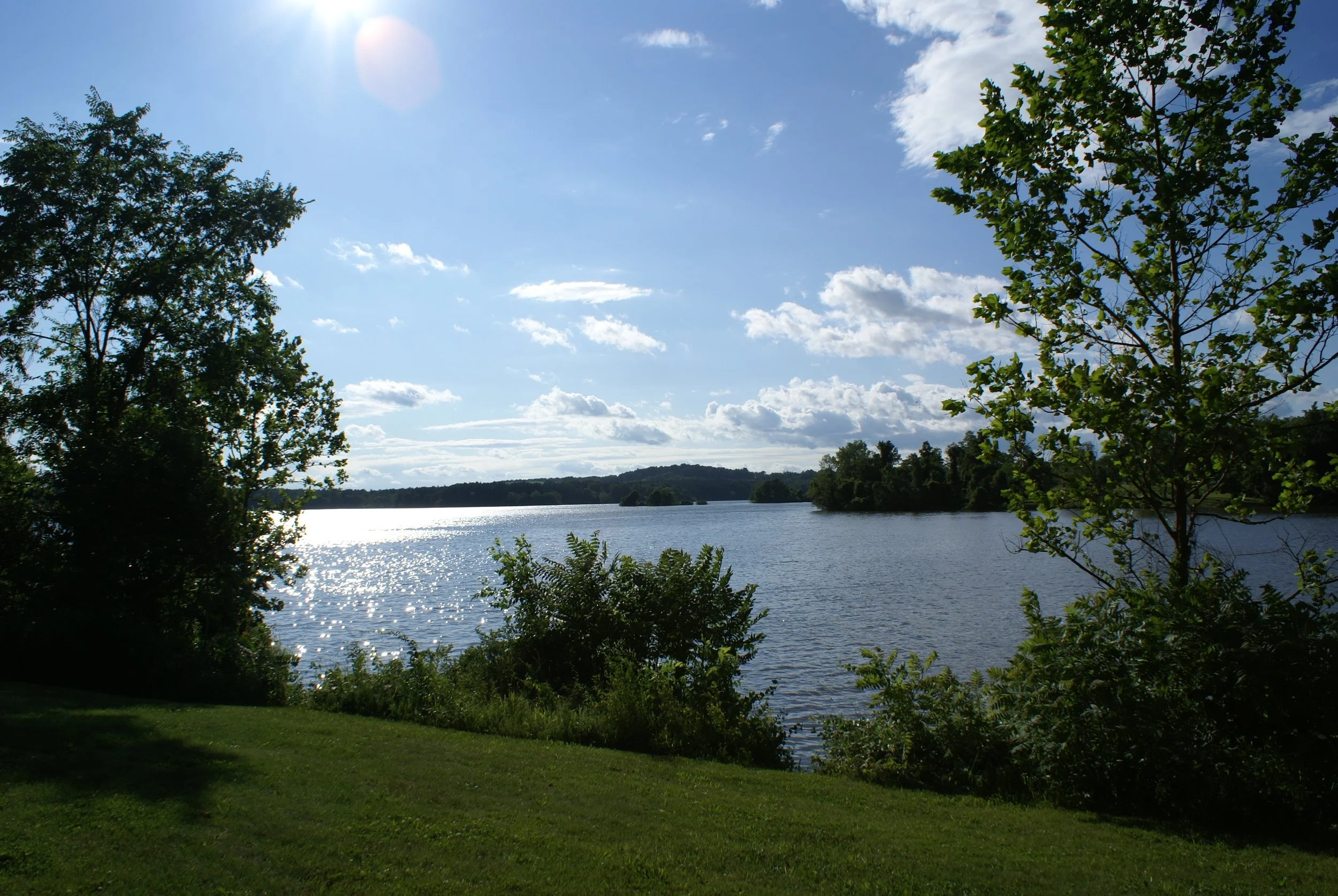
The water you drink can come from a surface water source, like a river, stream, lake, or reservoir, or a groundwater source, such as a well or spring.
When it comes to groundwater sources, wells pump water from an aquifer, or water flows from the aquifer through a spring. An aquifer is recharged when rainwater or snowmelt seeps into the ground and is stored in the rock below.
In the case of surface water sources, an intake structure is constructed in the water body to pump water to a treatment plant. Water flows over the land, from high points to low points, collecting in bodies of water, which continue to flow downgradient. The land and water bodies draining to a single location are collectively called a watershed.
Now that we know where the water comes from, why is it important?
It’s important to know the water source for your community because of the risks that come along with it. Because water travels over and through the land before we collect it, there is a chance of pollutants contaminating the water.
When rain falls and runs over and through the land and into source waters, it can carry trash, bacteria, oil, hazardous chemicals, or any other type of pollutant with it. Even when rain falls on undeveloped regions, fertilizers, pesticides, pet and wildlife waste, and soil erosion can be picked up by the runoff and pollute source water.
So, what can be done to keep our source water clean and safe to drink?
Spotts, Stevens and McCoy is a technical partner of the Source Water Protection Technical Assistance Program (SWPTAP), which is funded by the Pennsylvania Department of Environmental Protection (PaDEP). SWPTAP offers funding and technical assistance to public water suppliers looking to develop a source water protection plan for their sources. Participating communities receive a source water protection plan developed specifically for their water system, at no cost to the water supplier.
Our team of professional geologists and environmental specialists delineate protection areas for each well, spring, or intake, which show the land area that contributes to the source. Once protection areas are delineated, a list of potential sources of contamination within the areas is compiled, and strategies for managing the protection areas are considered.
In addition to our participation in SWPTAP, our team can also develop plans for emergencies at a water system, and investigate and develop back up water supply options in the event they are needed.
The best reason to make sure your water supply is safe is for you!
Benefits of source water source protection include:
Public Health protection- keeps contaminants out of water.
Reduced treatment costs- clean water is less costly to treat and reduces system operation and maintenance costs.
Economic benefits- clean water will enhance your communities’ chances of attracting employers and possibly tourists to the now beautifully clean region.
Environmental stewardship- protecting water will sustain the native ecosystem and improve quality of life for the future.
At Spotts, Stevens, and McCoy we are always looking for new, better ways to protect your drinking water. By protecting your source of drinking water, we protect the future of the environment for generations to come.








PennTec 2022
SSM Presentations
Implementing Emergency Response Programs
Optimize Asset Management with GIS
Utility Management and Operations for the Future
PennTec 2022 - PWEA Annual Technical Conference & Exhibition
June 5-8 | Penn Stater Conference Center
Utilities Management and Operations for the Future
Presented by: Darryl Jenkins, PE
Overview
In the next 10 years, there may not be enough operators to properly monitor and control every public water/wastewater treatment system adequately
Interest is low because public understanding of the job is poor
Local wastewater and drinking water facilities are feeling the stress of their eroding workforces
Officials should recognize the need to entice a younger generation to fill the need
There will also be fewer experienced professional engineers and technicians to design and maintain treatment and collection system facilities
Implementing Emergency Response Plans
Presented by: Carolyn Rodino, PMP and Sydney Jernigan, EIT
Why is an ERP important?

In an emergency situation, people aren’t thinking clearly!
Need specific procedures to ensure that response doesn’t cause further harm.
Should be reviewed and updated on annual basis at minimum.
Training and practice for routine situations and “what if” situations.

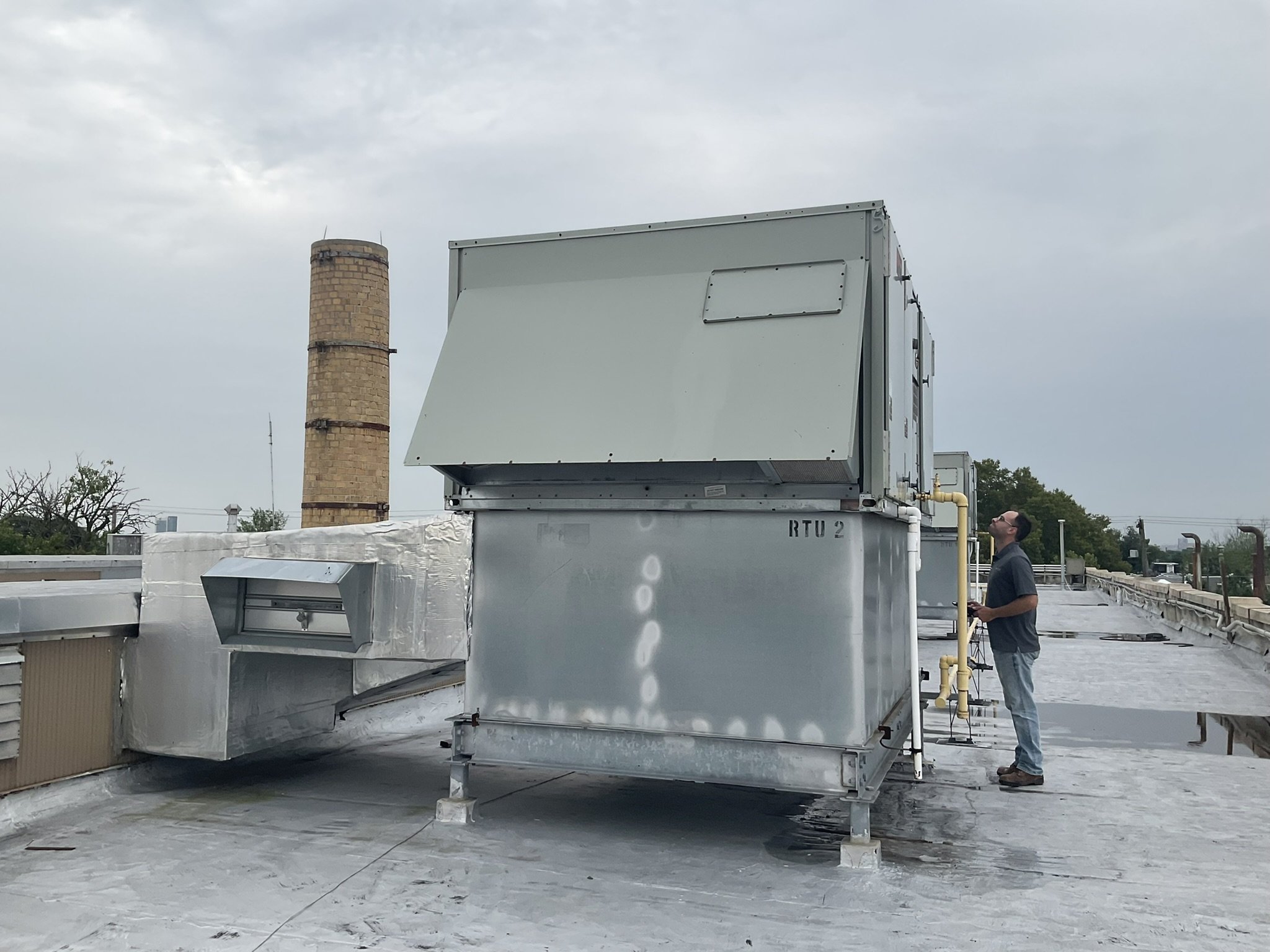
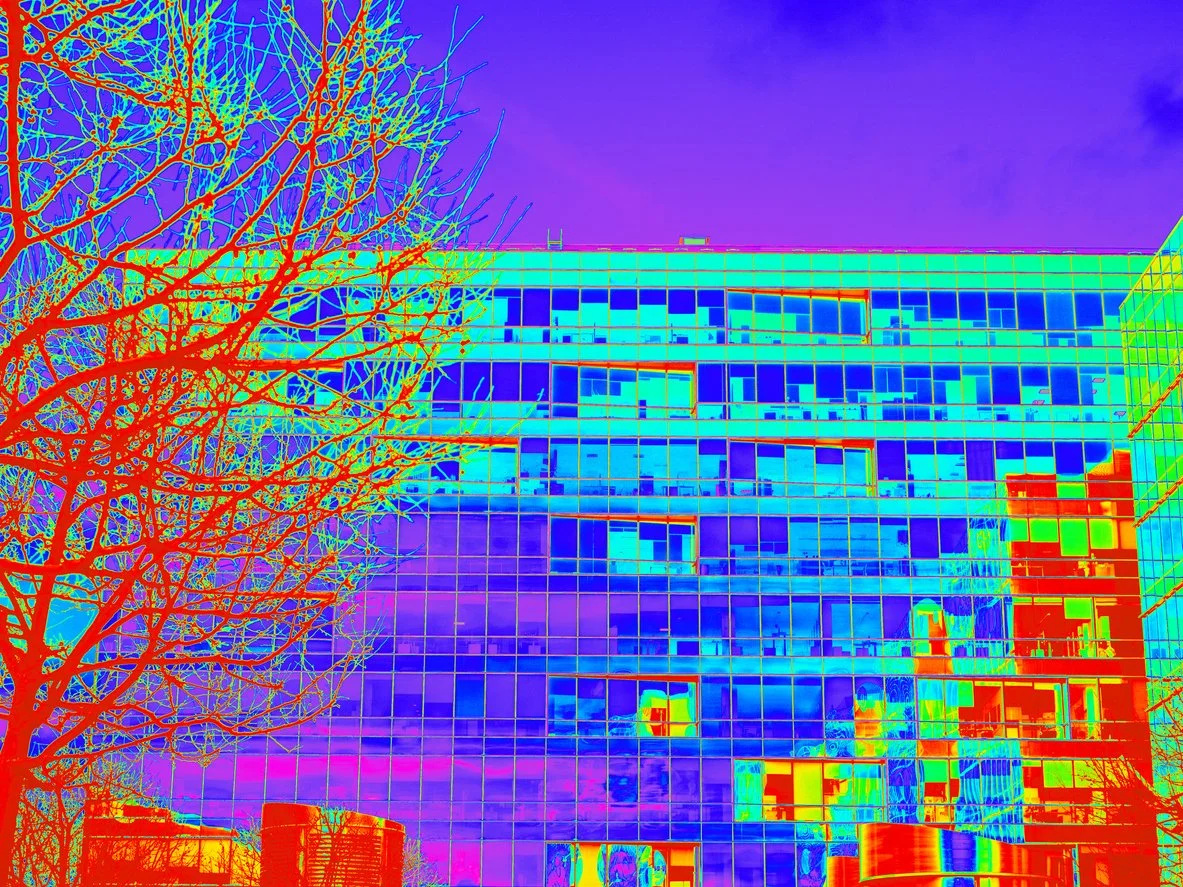
Utilize GIS workflows for asset management, including maintenance and inspections. Featuring a Township’s case study for outfall inspection process using GIS tools.
GIS Workflow for MS4 – making data accessible to operations staff.
Collaborative data exchange – connecting those who know with those who manage.
Mobile database population – capturing institutional knowledge and performing inspections and tracking maintenance.
Features a Township case study for outfall inspection processing using GIS tools.

Legislative and Regulatory Update -- Water/Wastewater
Discussion Topics
Clean Streams Law - Spill Reporting
Delaware River Basin Compact - Voting Power
Water and Wastewater Asset Management Plans
Bipartisan Legislation - Legionnaires’ Disease
New/Revised Federal Drinking Water Regulations
Technical Guidance - Notification Requirements for Spills, Discharges and Other Incidents
Legislative and Regulatory Update for the PA Section AWWA Northeast District and WWOAP Eastern Section
presented by Serena DiMagno - serena.dimagno@ssmgroup.com
Discussion Topics
Clean Streams Law - Spill Reporting
Delaware River Basin Compact - Voting Power
Water and Wastewater Asset Management Plans
Bipartisan Legislation - Legionnaires’ Disease
New/Revised Federal Drinking Water Regulations
Technical Guidance - Notification Requirements for Spills, Discharges and Other Incidents

Spring 2022 Joint Technical Conference - April 6, 2022
Legislative and Regulatory Update

Presented by: Serena DiMagno, Senior Environmental Consultant
serena.dimagno@ssmgroup.com
Legislative and Regulatory Update
AWWA PA Section - Southeast District & Eastern Section - Water Works Operators Association of PA
Wednesday - April 6 | Exton Hotel & Conference Center

Case Study: GIS Workflow for MS4
Utilize GIS workflows for asset management, including maintenance and inspections.
Optimize Asset Management with GIS
Utilize GIS workflows for asset management, including maintenance and inspections. Featuring a case study highlighting an outfall inspection process using GIS tools.
Presented by Katie Baltzley, GIS Analyst


PennTec 2021: Annual Technical Conference
In the wake of COVID-19 response, now is the time to explore best practices and review what we’ve learned in the wastewater industry. The session will explore potential exposures and how we manage the impact.
Ralph E. Johnson, PE, Vice President Environmental Services presents: COVID and Sanitary Sewers

In the wake of COVID-19 response, now is the time to explore best practices and review what we’ve learned in the wastewater industry. The session will explore potential exposures and how we manage the impact.
Emergency Response Plan Updates, Critical Pandemic Preparedness Plan elements, Exit and re-entry planning - critical positions, maintaining the facility. Protecting the Operators: What needs to change? What if they get sick?
What we’ll discuss
Collection of expert’s best thinking on the topic.
Resource document to help you navigate your decisions
Best Practices in our field.
During this session we’ll explore the historical impact of waterborne diseases and wastewater and the scientific studies being conducted currently to not only detect COVID-19 in wastewater but to possibly use its presence to track and predict potential outbreak locations. We will explore potential wastewater exposure sources and steps to take for protection including engineering controls, administrative controls, safe work practices, and personal protective equipment.
Key points of discussion
The scientifically documented history of disease in sewage contaminated water dates back to 1854 in England
In the United States both state and local governments have primary authority for maintaining the quality and safety of recreational waters (both freshwater and marine).
The United States is one of a few countries to have a national surveillance system for waterborne disease outbreaks.
Source of contamination can be of fecal or nonfecal origin.
No single indicator organism or small set of indicators can successfully identify or predict the presence of all threats.
Since there are still unknowns about COVID-19 being assessed we need to assure we’re using best practice available to us at this time.
Protective practices include Engineering and Administrative Controls, Safe Work Practices and Personal Protective Equipment.
There are steps we can take now to manage the future, and there are resources we can reference to stay up to date with the latest information.
In addition to understanding the impact of waterborne diseases we’ll discuss the necessary updates to Emergency Response Plans and staffing plans to facilitate smooth crisis management should a key member of the team become sick. The program will include focus on key items, initiatives, and programming to have in place in advance.

ABOUT THE SPEAKER
Ralph E. Johnson, PE | Vice President, Environmental Engineering | Mr. Johnson is the director of the water and wastewater engineering and operations services, including all aspects of water and wastewater engineering, municipal and authority representation, water and wastewater treatment operations, treatment plant design, construction phase engineering, water resources and regulatory compliance assistance. Previously with the City of Reading as the Public Works Director and City Engineer, Mr. Johnson brings more than 35 years of experience in the industry which includes Consent Decree Compliance, Dam Safety Issues, MS4 regulatory compliance, emergency response planning, capital improvement project planning and implementation, grant writing, bridge inspection and maintenance, and wastewater plant upgrades and construction.

Got Water? Making Water Supply a Before Thought
It’s not uncommon to think of water supply like one would think of electricity or other utilities. Build the building, design the space, and connect the water- right? Wrong. Not thinking of your water supply first or in the earliest stages can threaten the entire project.
Water supply can derail a project. That’s the blunt point we’re here to make. At SSM, we’ve seen development plans be entirely transformed, due solely to the lack of pre-planning water supply needs.
It’s not uncommon to think of water supply like one would think of electricity or other utilities. Build the building, design the space, and connect the water- right? Wrong. Not thinking of your water supply first or in the earliest stages can threaten the entire project.
Your number one question in your earliest stages of development should be: “Where is the water coming from?”.
Here are a few priorities that outline why consideration of your water supply from the very beginning is absolutely essential. You’ll see that the process of making water happen in your space can not only be a very long one, but could be very impactful to your initial project goals. If we, your water resources team, come in late our options become limited and our hands are increasingly tied. Getting a hydrogeologist in early, before breaking ground even happens, means that your project results in the way you envision it, on a timeline that works for you, and with your end goals at the forefront.
Source of Supply
The first key to identify is whether your operations will utilize public water supply or your own self-supply. While a public supply might be the easiest to access and the timeliest option, it often comes with many other considerations. For example, depending on your intended usage you might be facing high tapping fees. This comes in when your usage capacity requires the public supply system to charge you for over and above the cost of just the water. For example, if your capacity requires the system to get a more robust infrastructure set up- you will pay for that improvement. We have seen organizations ill-prepared for this cost of implementation and wishing they had considered a self-supply instead. While a public system might be the fastest way- just setting up a tap- it might not be the most effective or best option for you.

A self-supply, on the other hand, may be a better option as it eliminates these tapping fees. However, establishing a self-supply is a project in and of itself that extends over a long period of time. So, identifying your plan before even breaking ground on your project is essential.
Your Needs
An initial consideration in finding a water source is establishing and articulating what your specific needs are. Not only will this be key to identifying a public- or self- source, but it will also be a critical first step in the development of your self-supply.
Identifying your needs provides a baseline, answering questions such as “How much water will the site need on a daily, monthly, and annual basis? What is the typical production yield from a single groundwater well in this area? Will one well meet the site’s needs, or will multiple wells be required” Questions such as these can be addressed by consulting with a professional hydrogeologist. Getting a handle on these issues early ensure development happens correctly and you’re not left to deal with expensive problems down the line.
Siting & Feasibility
The next goal of establishing a self-supply is finding the optimal location. Our experts will help with this- don’t worry. Site exploration and feasibility studies ensure that sites are prime, optimal, and can produce what you need to produce.

Along with this process will require some exploratory drilling. Here is where the water supply begins to unfold. This is considered exploratory because while we’re confident in our experts’ skills and capacity to identify a prime location- no expert completely knows until we see exactly what’s going on underground. So, we use all of the data, the science, and the technical expertise we have to identify our most confident and precise location. Then, exploratory drilling will confirm or identify a better location for your supply to exist.
Testing & Regulations
For a self-supply to be legitimately utilized, it must then go through an extensive route of testing and permitting to comply with environmental regulations.
Water from the source must be tested multiple times over an extended period of time to ensure adequate water quality. Completion of this is required before you may begin to use this water supply for your operations. While the identification of the supply location may be over, this is the period where timelines can extend as very specific intervals between testing is required.
Ownership of a self-supply also comes with other specific regulations that must be considered. Here’s an example: if your water supply is used strictly for industrial processes, versus consumed by people (break rooms, bathrooms, etc), your permits and who and what you need to operate will differ. The same is true for whether or not the people using your water are considered transient (infrequent water users, like restaurant customers) or non-transient (year-round employees). Depending on the size of your system you might also be required to have a licensed operator on your site to run and manage your water system.

Thinking Ahead
Having your own water supply can prove to be a great asset to your operations. Often times we think of water as just something that’s always there. And if it’s not right there, that’s okay we’ll just dig a well and get it. But, it just isn’t that simple. Always make sure to think of this from the very beginning of your planning stages. This way, you are able to have the most effective system in place when you need it.
It’s the best decision to bring in your water resources team from the very beginning of your development process, so that you can get everything you need and in the fashion you need it.
We love water, and we love making water happen. But, we hate seeing organizations or projects disrupted because water supply wasn’t a before thought, but rather an afterthought.
#ProblemSolved: Our Water Resources Team is here to help. If you have questions, send an email to Al Guiseppe, PG at al.guiseppe@ssmgroup.com or give a call to 610-898-3049
Berks County Water & Sewer Association: Do you have your Assets in the Cloud?

Berks County Water & Sewer Association Virtual Conference: Do you have your Assets in the Cloud
Are your organization’s asset formatted in a secure method so you are prepared to react to new work place requirements as a result of an emergency? Has your infrastructure been planned and designed to modify how work was performed when your staff can no longer work from traditional brick and mortar offices? SSM will share how their advanced planning paid off for them and share ideas for your implementation. What are the Issues with planning and implementing Capital Construction projects as a pandemic hit? Do you postpone, cancel or just charge ahead?
presented by Al Guiseppe, PG
Director Water Resources
al.guiseppe@ssmgroup.com

Berks County Water & Sewer Association: Covid and Sanitary Sewers
We know now that COVID-19 does not survive in public water but it thrives in waste water. What are the exposures and what can you do to manage these pandemic and future ones.

Berks County Water & Sewer Association Virtual Conference: Covid and Sanitary Sewers
We know now that COVID-19 does not survive in public water but it thrives in wastewater. What are the exposures and what can you do to manage these pandemic and future ones.
presented by Ralph Johnson, PE,
Vice President Environmental Engineering
ralph.johnson@ssmgroup.com

Berks County Water & Sewer Association: Case Study of Construction during COVID-19
Case Study of Construction during COVID-19: The challenges and solutions of the City of Reading wastewater treatment plant project and the WBWA raw water line project.

Berks County Water & Sewer Association Virtual Conference: Case Study of Construction during COVID-19
Case Study of Construction during COVID-19: The challenges and solutions of the City of Reading wastewater treatment plant project and the WBWA raw water line project.
presented by Ralph Johnson, PE
Vice President Environmental Engineering
ralph.john@ssmgroup.com

Berks County Water & Sewer Association: Crisis Management Toolbox
Emergency Response Plan Updates, Critical Pandemic Preparedness Plan elements, Exit and re-entry planning - critical positions, maintaining the facility, Protecting the Operators: What needs to change? What if they get sick?

Berks County Water & Sewer Association Virtual Conference: Crisis Management Toolbox
Emergency Response Plan Updates, Critical Pandemic Preparedness Plan elements, Exit and re-entry planning - critical positions, maintaining the facility, Protecting the Operators: What needs to change? What if they get sick?
presented by Ralph Johnson, PE, Vice President Environmental Engineering
ralph.johnson@ssmgroup.com

Berks County Water & Sewer Association: Legislative and Regulation Update
EPA and DEP Legislative and Regulatory Update
Berks County Water & Sewer Association Virtual Conference: Legislative and Regulation Update
EPA and DEP Legislative and Regulatory Update
presented by Serena DiMagno
Senior Environmental Consultant
serena.dimagno@ssmgroup.com
Fall Joint Conference: Legislative and Regulatory Update
PA Section AWWA Southcentral & Northcentral District and WWOAP Central Section
Legislative and Regulatory Update
Presented by Serena DiMagno, Sr. Environmental Consultant
serena.dimagno@ssmgroup.com
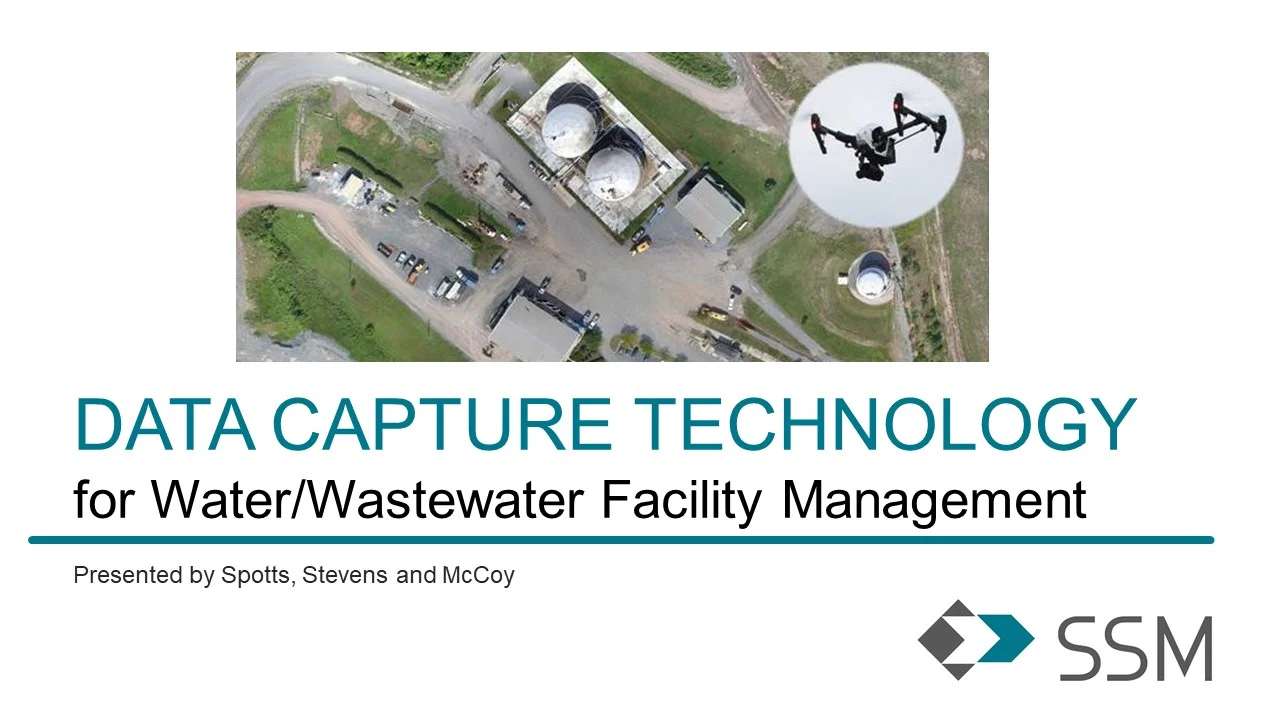
Fall Joint Conference: Data Capture Technology for Water/Wastewater Facility Management
Data Capture technology is quickly becoming a way for water and wastewater treatment plants to efficiently collect information, analyze the results, and optimize performance.
PA Section AWWA Southcentral & Northcentral District and WWOAP Central Section
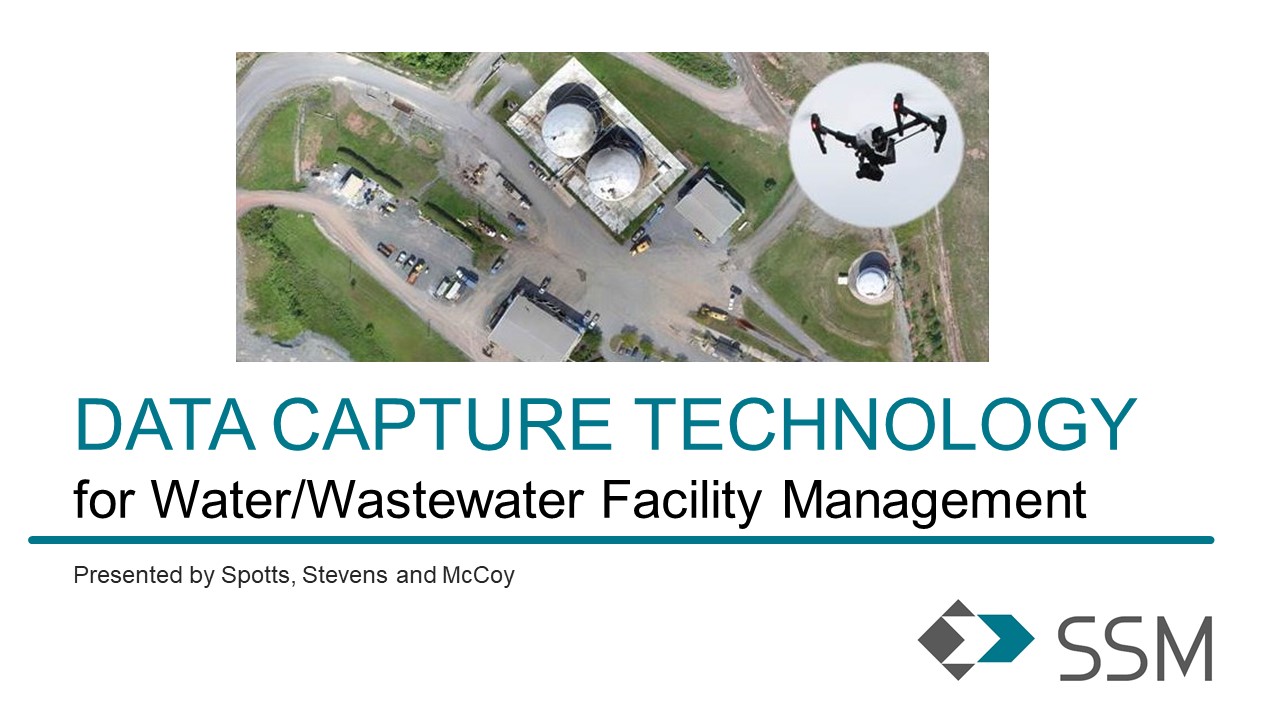
Data Capture Technology for Water/Wastewater Facility Management
Data Capture technology is quickly becoming a way for water and wastewater treatment plants to efficiently collect information, analyze the results, and optimize performance. There are several methods of capturing this information, eliminating complacency, and documenting equipment and project status in water and wastewater operations. This presentation describes Data Capture projects for Water and Wastewater systems, including ways to look at and manage data, what can be done with the data collected, and visual examples of various projects using drones, 3-D Models, and GIS.
Presented by Steve Smith, Sr. Project Manager, Survey and Data Capture
steve.smith@ssmgroup.com
Mr. Smith has over 30 years of experience in the surveying field and has been responsible for all aspects of Boundary and Topographical surveying, Aerial Mapping, Utility and Route surveys, ALTA/ASCM survey and all phases of construction stakeout. His technical skills include robotic instrumentation, High Definition Scanning, UAS Drone Flight operations, AUTOCAD and Microsoft operating systems.
2019 BCWSA Data Capture Technology for Water/Wastewater Facility Management
Data Capture technology is quickly becoming a way for water and wastewater treatment plants to efficiently collect information, analyze the results, and optimize performance.
Data Capture Technology for Water/Wastewater Facility Management
Data Capture technology is quickly becoming a way for water and wastewater treatment plants to efficiently collect information, analyze the results, and optimize performance. There are several methods of capturing this information, eliminating complacency, and documenting equipment and project status in water and wastewater operations. This course provides an overview of merits and concerns with using new technology for various projects typical with water and wastewater treatment systems. Section 1 reviews legal and regulatory Issues related to Data Capture and Data Use, such as current FAA rules for drone operators, possible nuisance and trespass concerns when investigating problems, and privacy considerations and rights for utilities without easements. Section 2 describes Data Capture projects for Water and Wastewater systems, including ways to look at and manage data, what can be done with the data collected, and visual examples of various projects using drones, 3-D Models, and GIS.
Presented by Steve Smith, Sr. Project Manager, Survey and Data Capture
steve.smith@ssmgroup.com

New Technologies in the Source Water Protection Program
Exploring new technologies in Source Water Protection
Al Guiseppe, PG, Director Water Resources at Spotts, Stevens and McCoy presented at the 2019 Pennsylvania Groundwater Association Annual Winter Conference on January 25, 2019 at the Holiday Inn, Grantville/Hershey, PA. His presentation presented an overview of the Source Water Protection Technical Assistance Program and new technologies including online data, mobile GIS applications, and operations dashboards.

SSM Welcomes Robert Weinzapfel, PE
Robert Weinzapfel, PE, Senior Engineer joins the Water and Wastewater Engineering Department.

Robert Weinzapfel, PE, Senior Engineer joins the Water and Wastewater Engineering Department. Mr. Weinzapfel has engineering experience in power plants, wastewater and water treatment facilities, municipal and commercial facilities, and refineries. His experience includes heating, ventilating, and air conditioning (HVAC), industrial air treatment, boiler systems, chillers, plumbing systems, and other mechanical systems. Also experienced in mechanical design of pump stations, headwork facilities, digester/natural gas systems, and sludge heating systems, sludge thickening and dewatering facilities for wastewater. Weinzapfel, a graduate of Purdue University with a BS in Environmental Engineering is a Registered Professional Engineer in Pennsylvania and Maryland.

SSM Welcomes William Orlowsky, PE
William T. Orlowsky, PE, Senior Engineer joins our Water and Wastewater Engineering Department.

William T. Orlowsky, PE, Senior Engineer joins our Water and Wastewater Engineering Department. Mr. Orlowsky’s experience in the water and wastewater industry includes civil and water/wastewater design, field engineering during construction, and plant operations. His experience includes design of plant expansions and upgrades, collection and conveyance systems, developing treatment alternatives, development of plans and specifications, coordination of work with other disciplines, preparation of construction cost estimates, and preparation of permitting applications to regulatory agencies. He is a graduate of Temple University with a BS in Environmental Engineering and MS in Civil Engineering and is a Professional Engineer in Pennsylvania, New Jersey, and New York.
Discussion Topics:
What is Source Water Protection?
Where to find protection zone information
Concerns with potential contamination issues and follow-up information
Managing Risks
Resources for education of customers and residents