

Heating & Cooling Historical Structures
Exploring alternative technologies. From materials to system capabilities, it’s true, ‘they don’t build them like the used to.’ Retrofits, renovations, and adaptive reuse projects present some challenges in terms of the systems in the buildings.

The design team was also supported by the Survey and Data group at SSM, who utilized high definition scanning to collect high-accuracy topographical information.

Pennsbury Manor is a historic recreation of William Penn’s 17th century estate, it is located along the Delaware River and open to the Public for tours. There are several other buildings located on the 43-acre property including a Visitor’s Center, and the Crozier House which is currently used as office space.
Pennsbury Manor - Pennsylvania Historical and Museum Commission
Pennsylvania
From materials to system capabilities, it’s true, ‘they don’t build them like the used to.’ Retrofits, renovations, and adaptive reuse projects present some challenges in terms of the systems in the buildings.
Known as “William Penn’s Country House”, Pennsbury Manor includes several buildings recently included in a design project to replace and upgrade existing HVAC systems on the campus with geothermal systems. Working closely with the Department of General Services and The Pennsylvania Historical and Museum Commission, the multi-discipline mechanical, electrical, and hydrogeology staff of Spotts, Stevens and McCoy, along with architectural and archaeological partners took on the challenges often presented by similar historic and sensitive structures. Outdated HVAC, plumbing and electrical systems are common limitations that can be resolved with innovative application of new technologies. SSM designed the HVAC systems within the buildings, electrical and plumbing systems in support of the HVAC system design, coordinated with Agency Fire and Security and controls consultants, and developed a preliminary construction phasing plan for the project. In addition we analyzed the assessment reports and developed a preliminary abatement plan.
The Manor House – It was imperative for the mechanical system to integrate with the existing architecture. A whole house ventilation system was designed to attempt to improve the indoor environment during the cooling season. Geothermal water source heat pumps were located in the basement to draw outdoor air into the building and supply it through floor registers at existing chases. The air was then exhausted by fans located in the attic space. A geothermal boiler was also installed to replace two electric boilers. The geothermal boiler and geothermal heat pumps used an open loop ground system to transfer heat to and from the ground water.
The Visitor’s Center – The open loop system was also used at the Visitor’s Center. The existing system consisted of an air-cooled chiller, a gas boiler, fan coil units, and DX air handling units. The existing chiller was replaced with a geothermal heat recovery chiller. The chiller is capable of making heating water and chilled water simultaneously so there is no longer a need for the existing oil-fired boiler. The existing DX cooling coils and electric heating coils were replaced in the air handling units and fan coil units so the entire system can run off the new geothermal heat recovery chiller.
The Crozier House – The existing heating system at the Crozier House was an oiled-fired boiler with radiator units located throughout the space. There was no existing air conditioning system. The new mechanical system design is a VRF system that will be able to provide heating or cooling simultaneously to each space.
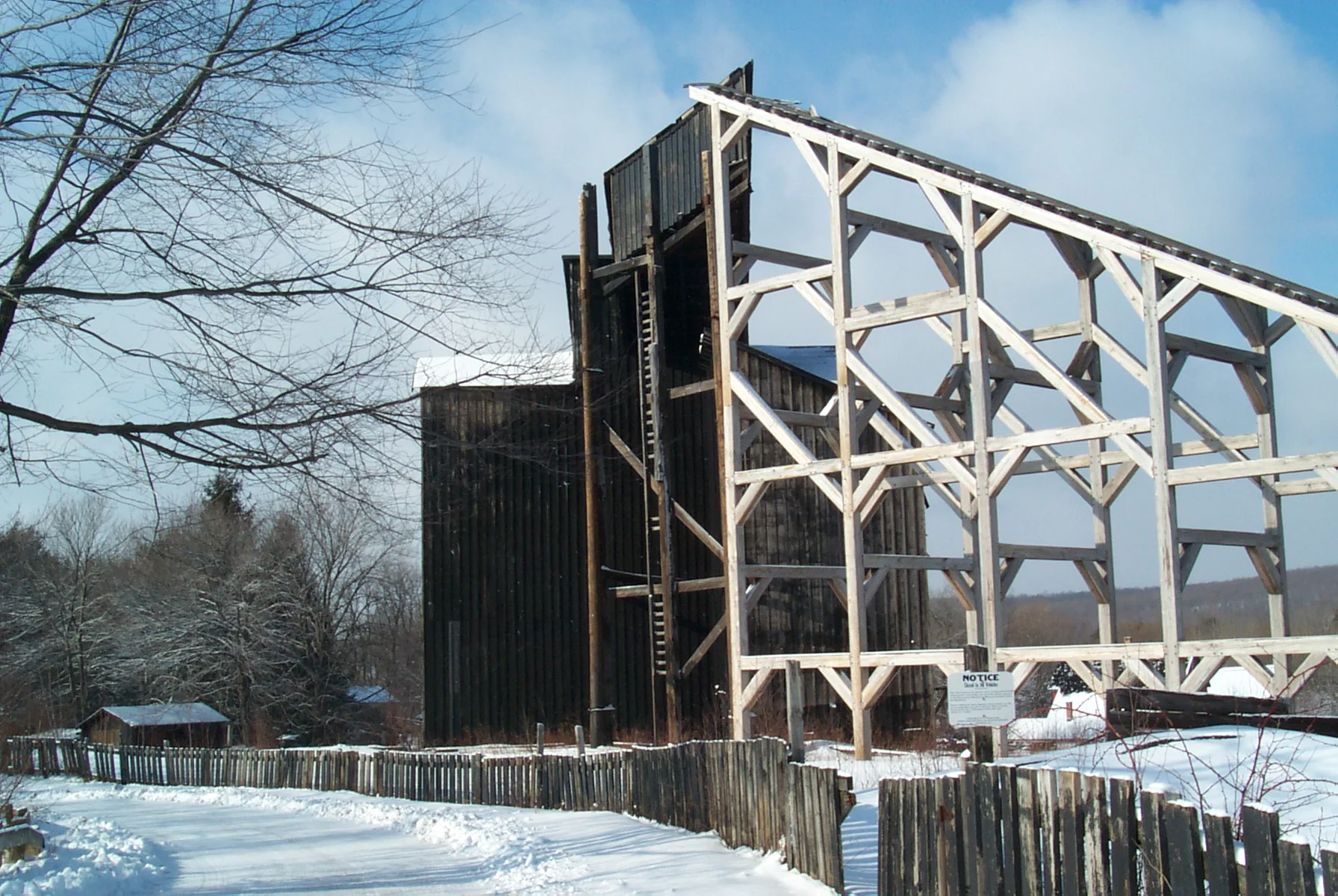
Structural Assessment for Coal Breaker Reconstruction/Stabilization
Assessed the existing condition of the timber-framed structure and provided structural engineering analysis and design to replace or reconstruct a portion of the Breaker.Assessed the existing condition of the timber-framed structure and provided structural engineering analysis and design to replace or reconstruct a portion of the Breaker.
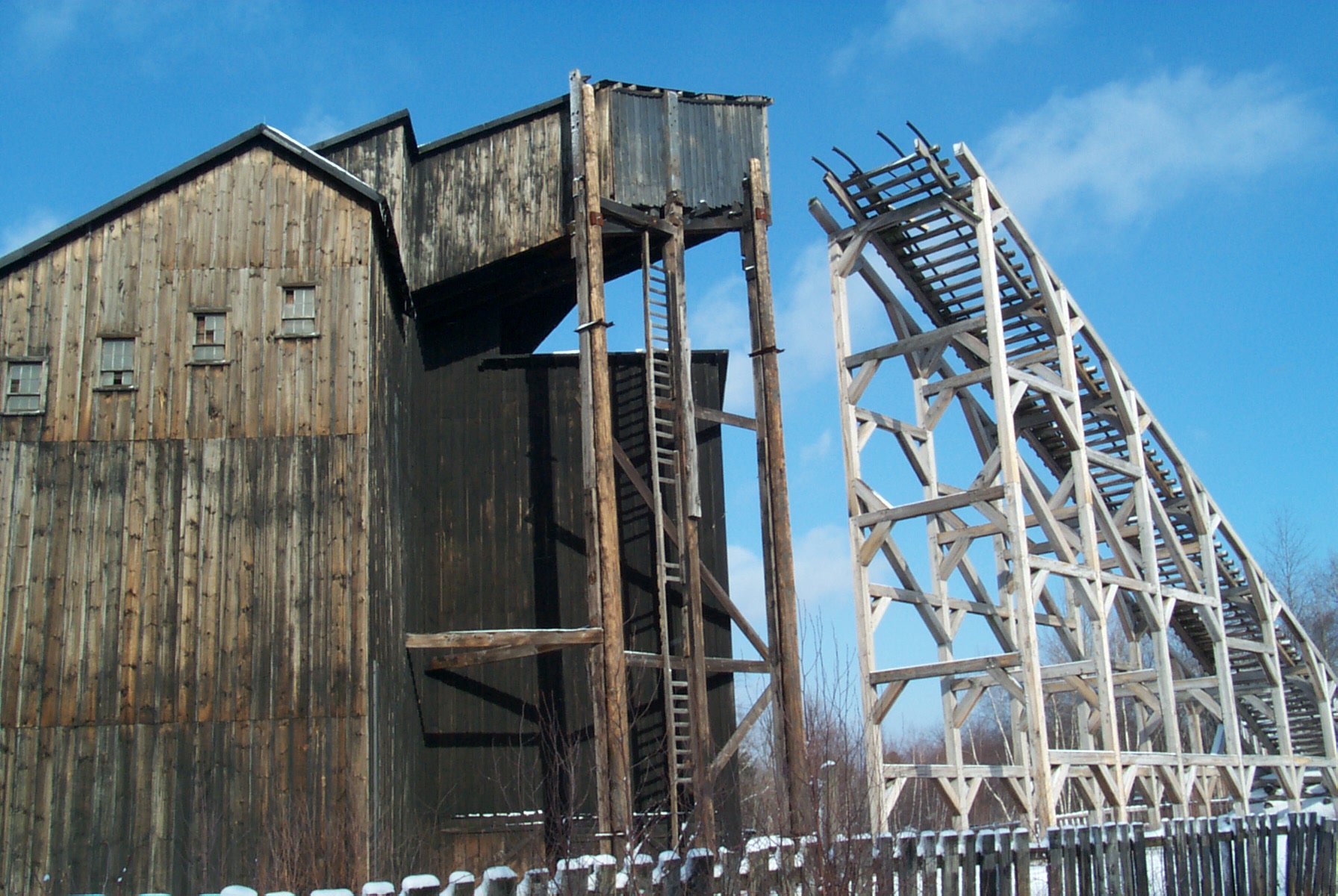
ECKLEY MINER'S VILLAGE

Pennsylvania Historical and Museum Commission
Eckley Miner’s Village, Weatherly, PA
SSM's structural engineers assessed the existing condition of the timber-framed structure and provided engineering analysis and design to replace or reconstruct a portion of the coal breaker, called the tipple. (A tipple is a structure used at a mine to load the extracted product (e.g., coal, ores) for transport, typically into railroad hopper cars). SSM provided detailed structural designs, technical specifications, STAAD models for the tipple frame for the breaker and for the pole structure. In addition we provided construction services.
Founded in 1854, Eckley is an example of a planned nineteenth century coal mining town. It is a community, or coal “patch town,” which provided mining families with the basic necessities such as housing and medical care, as well as basic amenities like a store, a school and churches. Companies often designed and constructed industrial communities to house their employees in close proximity to the collieries, or mining operations, for which they worked. Such mining towns were built to attract other mining families to live and work among the coal fields of northeastern Pennsylvania. While the company greatly influenced the lives of its village residents, and each family member faced challenges and difficulties every day. The way in which they faced these challenges is the history of the region that is studied, preserved and interpreted.
Since 1970, Eckley has been owned and operated as a museum by the Pennsylvania Historical and Museum Commission. The Molly Maguires a 1970 film was filmed in Eckley in 1969. The wooden "coal breaker" featured heavily in the film. The filming of the movie resulted in the town's being saved from demolition, and it was afterward turned into a mining museum under the control of the Pennsylvania Historical and Museum Commission.

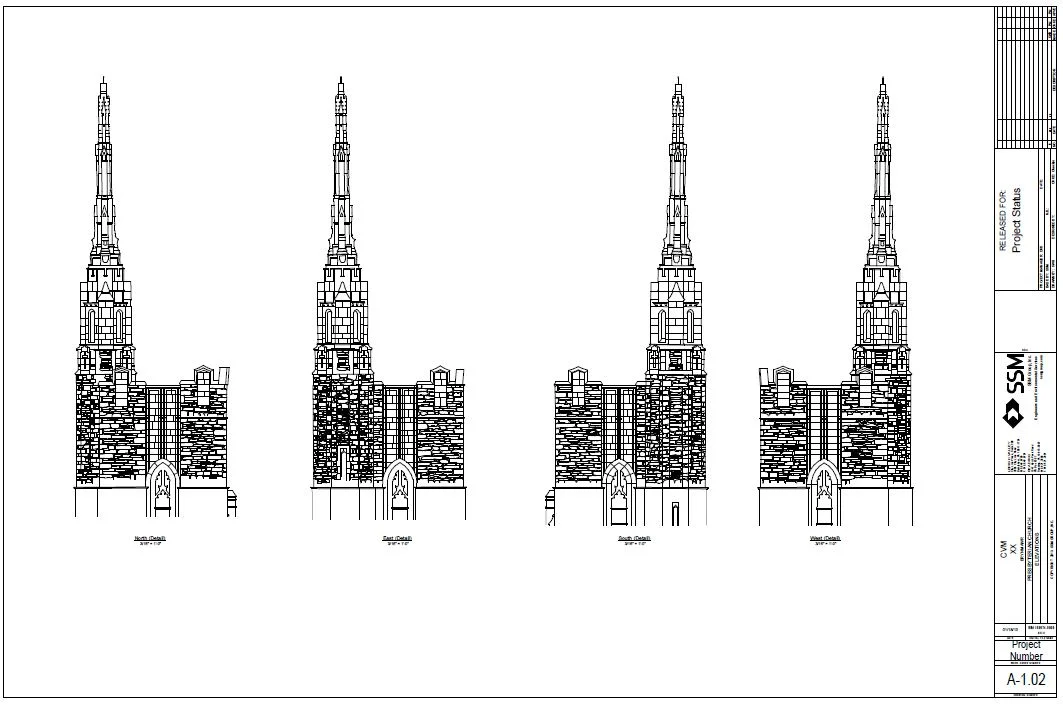
High Definition Scanning and AutoCAD Modeling
SSM utilized high definition laser scanning equipment and software to quickly and accurately capture the existing facade conditions of the church’s 150-foot bell tower.

BRYN MAWR PRESBYTERIAN CHURCH | EXTERIOR SCAN
CVM Engineers
Bryn Mawr, Pennsylvania
SSM utilized high definition laser scanning equipment and software to quickly and accurately capture the existing facade conditions of the church’s 150-foot bell tower. These services were employed to enable the project team to understand the design the displacements of the masonry elements in a 3‑D environment to ascertain structural conditions. The AutoCad elevations and sections and accompanying point cloud allows the team and owner to design and then view the existing conditions and effects of any proposed repairs.
SSM delivered the following:
Elevation of each side of the tower portion of the church delivered as a 2D Autocad drawing. The portion of the tower, from the parapet base to the top of highest point was highly detailed to show cast stone ornamentation and the location of each of the stones in the aforementioned portion and include general geometry for the balance of the tower (to ground level). SSM documented planar distortion to indicate how far the top portion of the tower as well as the parapet walls may be leaning.
Leica Tru-View of each scanner position. Leica Tru-View is a free web-based tool allowing the user to view the point cloud and field photography together, to easily and quickly “re-visit” the scanned areas of the building. Tasks such as panning, zooming, acquiring measurements and mark-up tools are all functions of the Leica Tru-View Software.
HIGHLIGHT: The 11 scans were performed in 1 day.
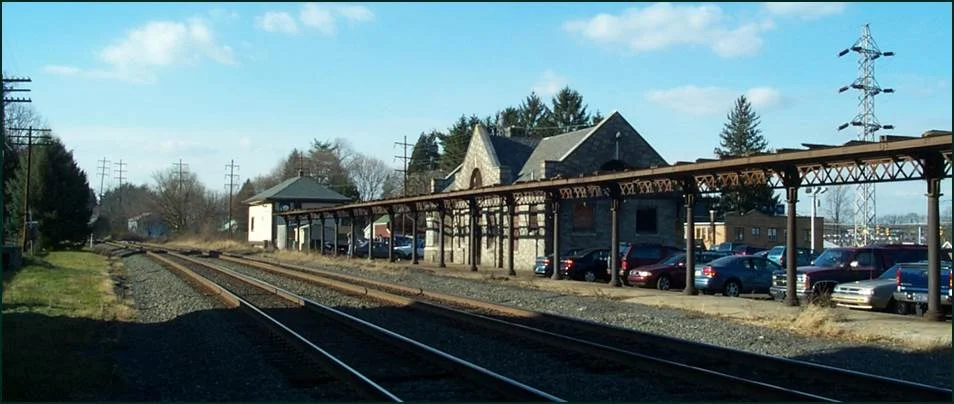
Structural Assessment of Historical Building
SSM conducted a comprehensive structural condition survey of this existing historic building.

Wernersville Historical Society | Wernersville Train Station
Wernersville, PA
SSM conducted a comprehensive structural condition survey of this existing historic building that has been abandoned for almost 40 years. In addition to identifying the building components that required repairs or replacement, SSM provided a prioritized, cost-itemized list of recommendations for the ultimate restoration.
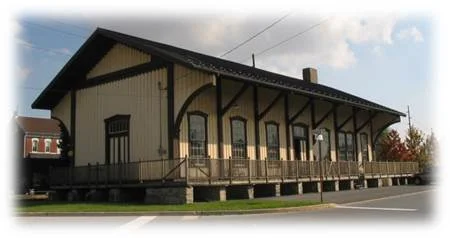
Adaptive Re-Use
SSM provided engineering for upgrades to train station that was built in approximately 1870.
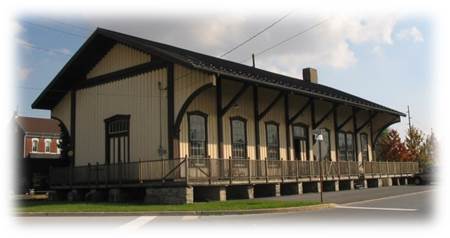
KUTZTOWN TRAIN STATION
Borough of Kutztown
Train Station
Kutztown PA
SSM provided engineering for upgrades to train station that was built in approximately 1870. The upgrades include installation of restrooms, closets, new HVAC system, as well as insulation of walls, floor, and roof. The project also included improving the lighting, providing ADA compliant access to the building, and relocating the boarding platform. The large freight room in one section of the structure will become a meeting room for the Borough Council.

Master Plan, Phase I Restoration and Phase II Construction Documentation
Master Plan, Phase I Restoration and Phase II Construction Documentation of the Lehigh Railroad Engine House for the White Haven Community Library

WHITE HAVEN COMMUNITY LIBRARY
FRENS & FRENS, LLC RESTORATION ARCHITECTS
White Haven Community Library
White Haven PA
The West Chester-based architectural firm of Frens and Frens, LLC was initially engaged to prepare a Master Plan to identify the feasibility of the adaptive re-use of the 1864 Lehigh Railroad Engine House for the White Haven Area Community Library. As SSM has done with several projects with the firm, we were responsible for land surveying; the assessment of the building systems including mechanical, electrical, plumbing and structural; site design issues related to zoning, stormwater management and; evaluation potential site environmental concerns. At this stage, schematic plans were prepared to identify budget and gain community support for the conversion.
SSM continued to support the team on subsequent phases. Phase 1 has been completed and was undertaken to stabilize and improve the building’s masonry envelope and steel structure.
Phase 2 is currently underway and includes the design for site improvements and documentation for the new building mechanical, electrical and plumbing systems. A significant effort was undertaken to identify the feasibility of utilizing alternative energy opportunities, including geothermal systems. After identifying potential geothermal systems appropriate for the specific site geology, site design constraints and permitting our mechanical design staff worked in concert with SSM’s environmental staff to conduct a well boring and thermal conductivity testing. SSM prepared probably cost estimates and payback. The outcome of these efforts has led to funding of the system installation, and the project is currently out for bidding.

Multi-Disciplined, Indefinite Delivery Contract
SSM has supported several teams to serve in a multi-disciplinary way to the Department of Architecture and Preservation (DAP) of the Pennsylvania Historical and Museum Commission (PHMC) since 1995.
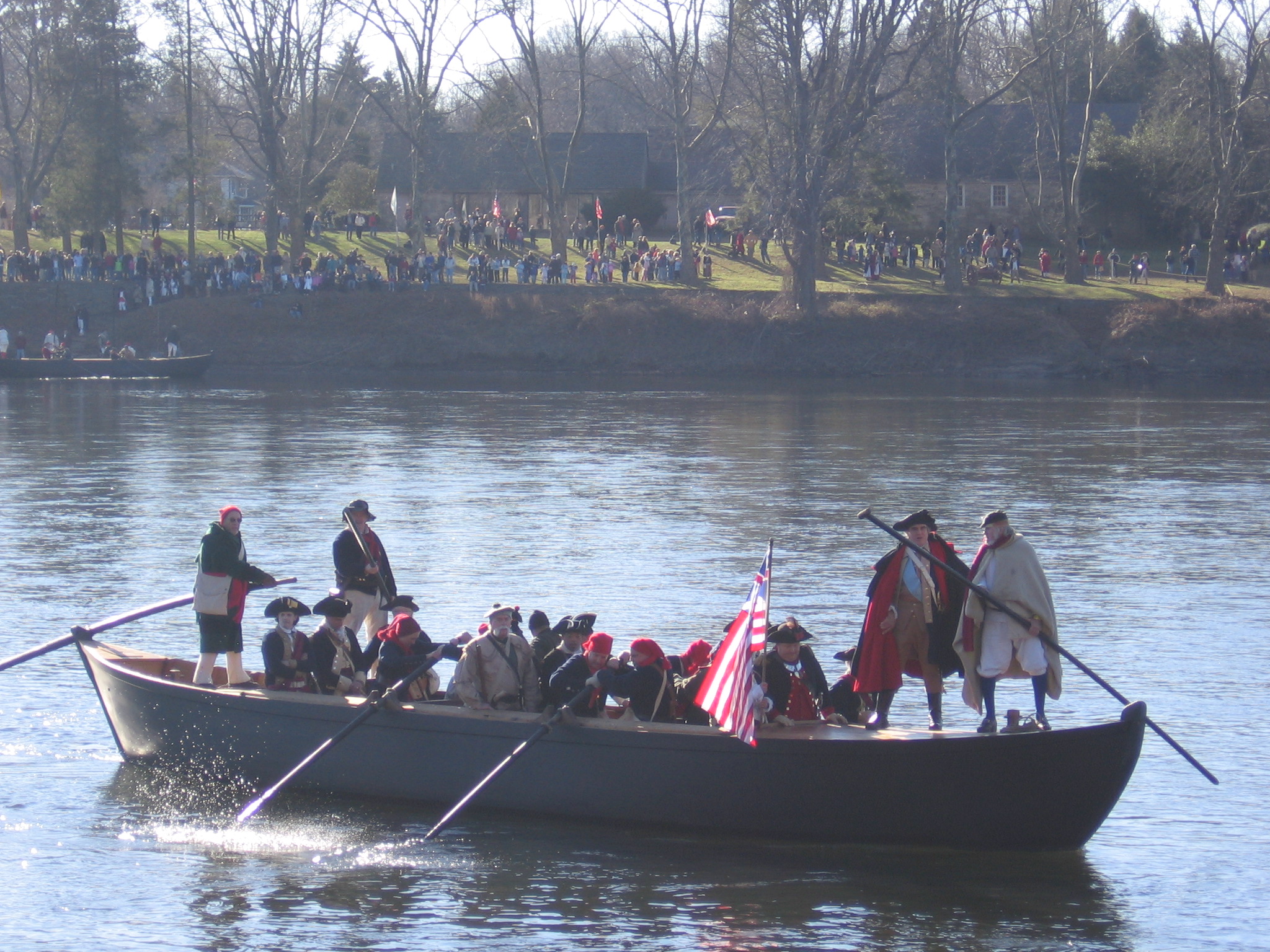
WASHINGTON CROSSING | PA HISTORICAL MUSEUM COMMISSION
Pennsylvania Historical and Museum CommissionWashington Crossing Historic Park
Bucks County, Pennsylvania
Pidcock Creek Stone Bridge | prepared design plans and technical specifications for the construction requirements, including site excavation and backfill, grading, gabion installation, bridge deck repairs and paving, stormwater conveyance, and significant amount of masonry repairs.
Repairs to Dam #1 | Prepared drawings and specifications. Repairs included the rebuilding of sections of the stone and concrete dam crest, the replacement of the valve on the outlet pipe, the removal of sediment deposited in the vicinity of the inlet gate; and stream bank stabilization.
Repairs to Canal Bridge | Prepared and submitted a Pa DEP General Permit #11, including the permit application and meetings with Pa DEP. Prepared design plans for the re-construction of the roadway and bridge including plan and profile designs and grading.
Heritage Trail | Coordinated with the Delaware and Lehigh Heritage Corridor and the Bowman’s Hill Wildflower Preserve to replace a stone trail to connect the Delaware Canal to the Thomson Neely Grist Mill. Conducted a topographical survey of the area and designed a conceptual alignment of the redesigned trail to meet ADA/ABA accessibility standards. The alignment of the revised design, situation behind the mill, also provided a lower impact on the historic significance on the site.
Wastewater Treatment, Collection and Management | Obtained the PA DEP NPDES permit renewal and provided recommendations for equipment/process rehabilitation and/or replacement required to resume operations and discharge at the Lower Park Wastewater Treatment Plant. Provided recommendations and cost estimates for repairs, replacement, and improvements.
Lumber Museum, Galeton PA | Sewage System Evaluation and Design | Evaluated alternative methods of wastewater disposal. The methods were (1) to collect the wastewater and treat on-site by equalization storage, septic tanks with effluent filter, followed by a drip irrigation method of soil absorption, including further filtration and distribution to woodland soils, and (2) collect the wastewater, and pump it to the Denton Hill facility located across U.S. Route 6, and Nine-Mile Run stream. SSM subsequently designed a drip irrigation wastewater system as an alternative to the inadequate system. The process involved land surveying, preparing drawings and specifications for the preliminary and final designs, securing permits, providing bidding assistance, and overseeing construction services.
Valley of Concentration | Well Replacement | SSM located well site located, coordinated well drilling activities with Upper Makefield Township Department of Code Enforcement and the well driller, collected hydrogeologic data during drilling, and collection and reporting of water level data collection for PA DEP permit application.