
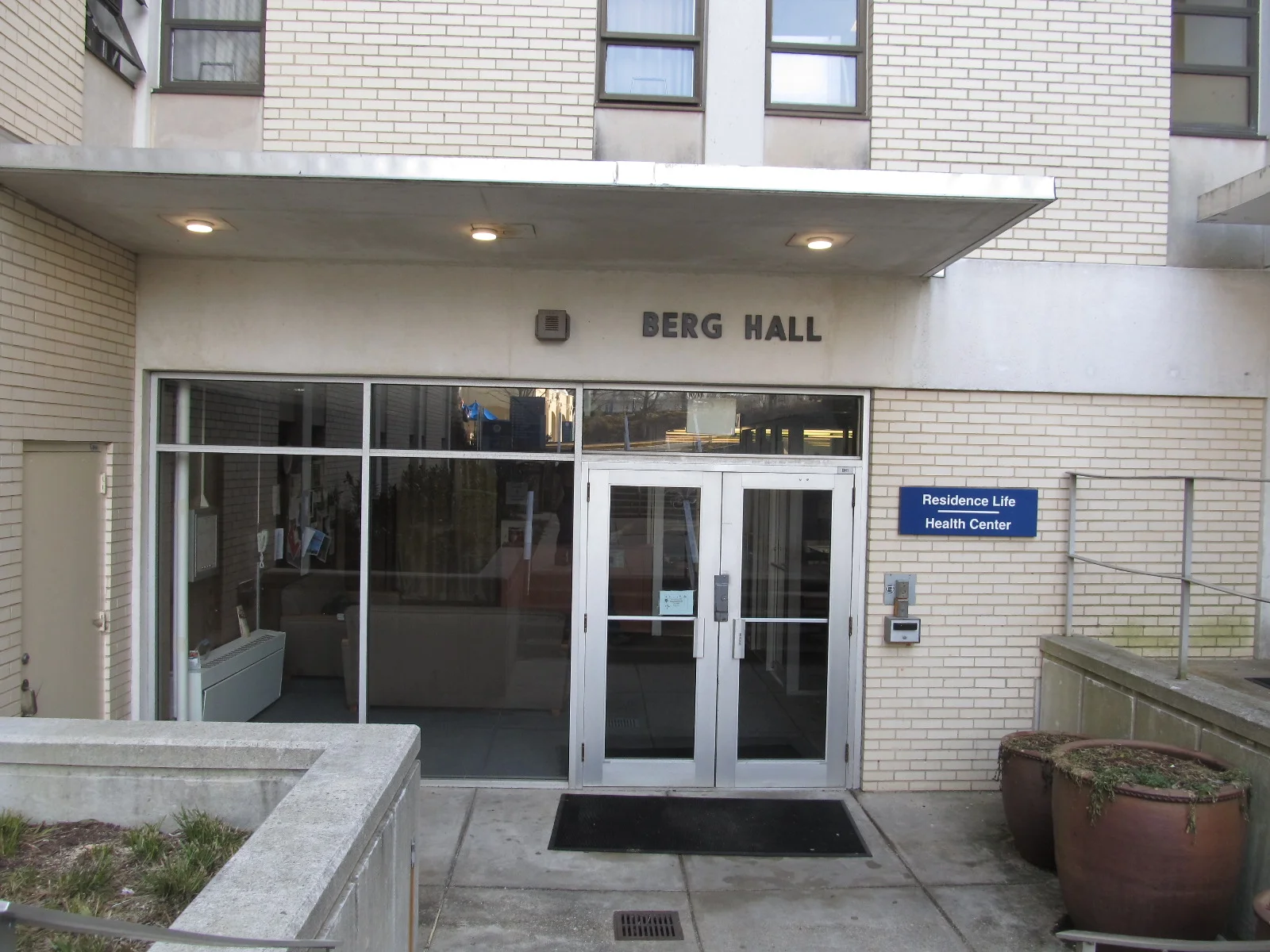
Conversion of 2 Dormitory HVAC Systems from Two-Pipe to Four Pipe Systems
SSM performed a detailed field survey of each building. The existing fan coil units were located in extremely tight spaces above the ceiling. Converting the system from a two-pipe system to a four-pipe system required detailed coordination with existing architecture and other utilities.
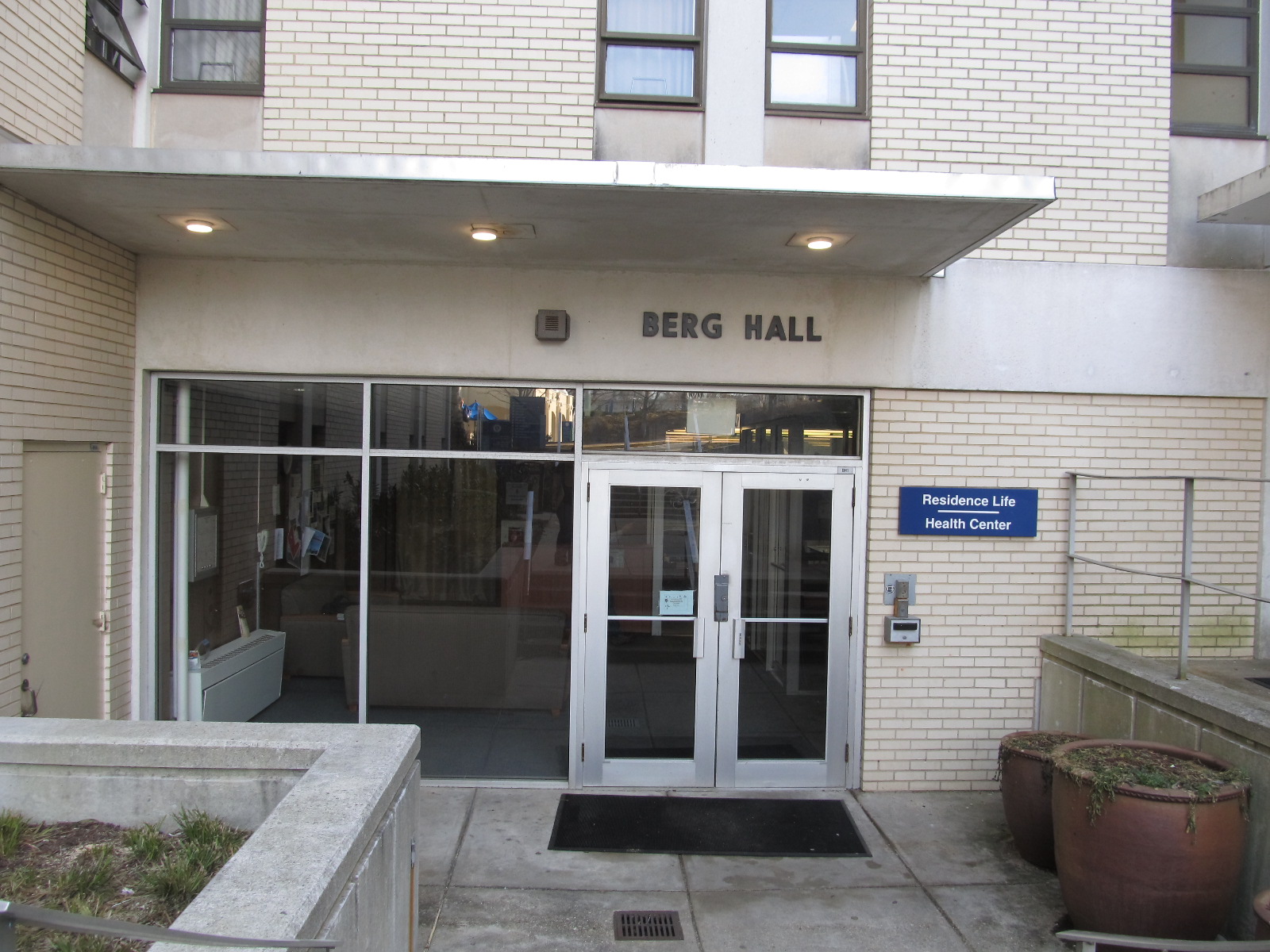
Marymount University | Berg Hall & Rowley Hall
Arlington, VA
Berg Hall and Rowley Hall are both dormitory buildings located at Marymount University in Arlington, VA. The existing dorm rooms in each building were served by fan coil units supplied by a two-pipe heating and cooling system. The scope of the project was to replace the existing fan coil units, greater than 270 individual units, and upgrade the existing two-pipe system to a four-pipe system in each building. Work in Berg Hall also included replacement of the existing air-cooled chiller with two new 35 ton water-cooled heat recovery chillers, and the addition of a dry cooler. The existing boilers were also replaced with a new 600 MBH boiler, and new pumps were provided for the heating system as well as the cooling system.
SSM performed a detailed field survey of each building. The existing fan coil units were located in extremely tight spaces above the ceiling. Converting the system from a two-pipe system to a four-pipe system required detailed coordination with existing architecture and other utilities.
This project was more complex due to the expedited design and construction schedule. SSM conducted the field survey over the Winter break while students were not on campus, and then quickly completed the design to meet the aggressive permit submission deadline. During the construction phase, SSM worked closely with the owner and the contractor to facilitate completion of the project.
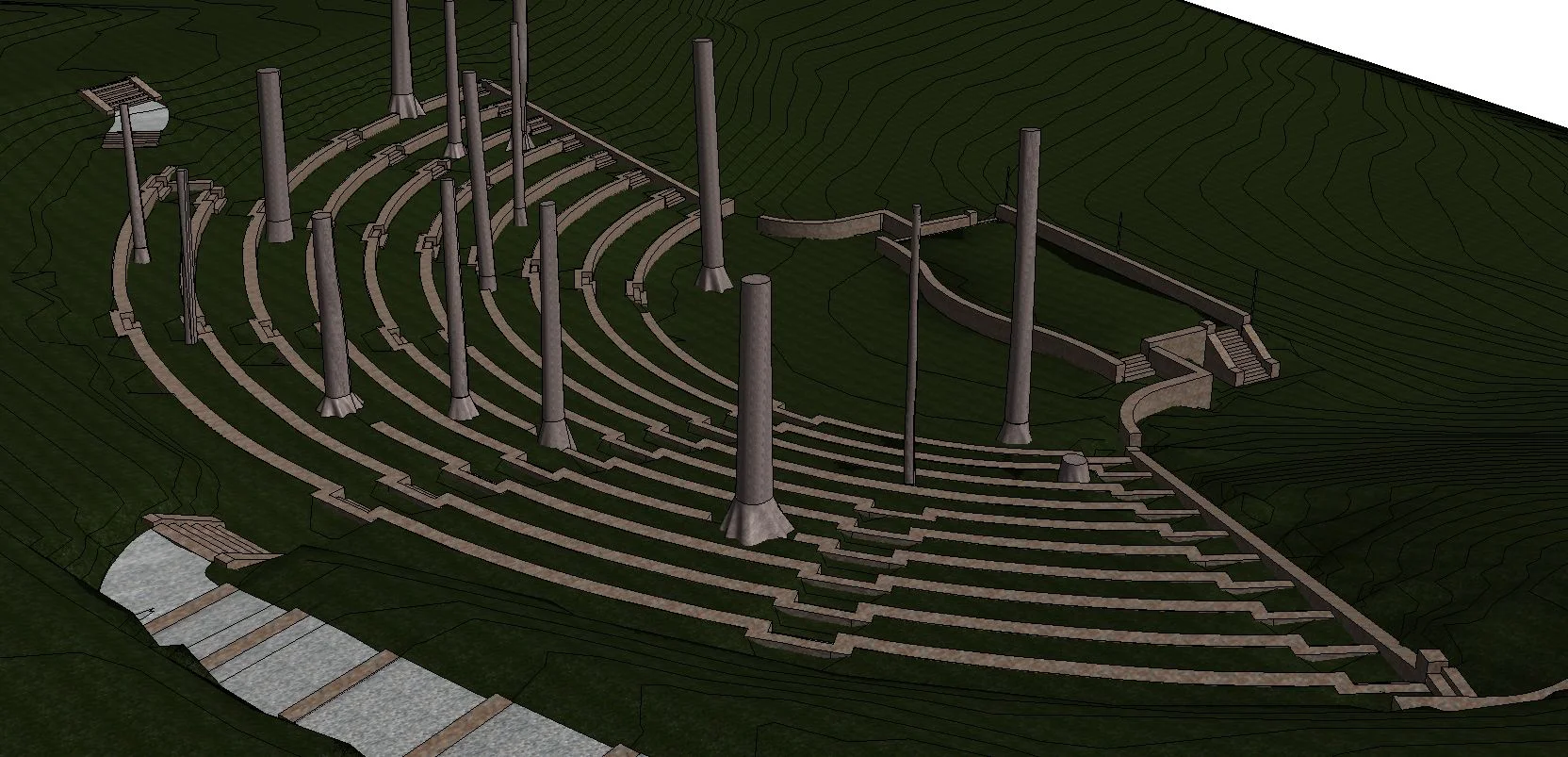
Existing Structure and Landscape Conditions
SSM utilized high definition laser scanning equipment and software to quickly and accurately capture the existing structure and landscape conditions.
ATKIN-OLSHEN and CVM
Swarthmore College Scott Amphitheatre
Scans: 8Scan Time: 1 day

Working for Project Architect Atkin-Olshen, and CVM, the structural engineers responsible for designing a proposed removable canopy and supporting structures for the existing 50-year-old open-air Amphitheatre, SSM utilized high definition laser scanning equipment and software to quickly and accurately capture the existing structure and landscape conditions. These services were employed to enable the project team to design the renovations in a 3‑D environment. The Revit model and accompanying point cloud allows the team and owner to design and then view the effects their design will have on the multi-terraced levels, stone retaining walls and mature trees. In addition, SSM utilized an existing topographical survey plan that was imported into Revit and used as supplemental background information.
SSM delivered the following:
An accurate 3D model of the Ampitheatre developed in Revit. The point cloud data was included in the Revit drawing.
Leica Tru-View of each scanner position. Leica Tru-View is a free web-based tool allowing the user to view the point cloud and field photography together, to easily and quickly “re-visit” the scanned areas of the building. Tasks such as panning, zooming, acquiring measurements and mark-up tools are all functions of the Leica Tru-View Software.
