

Spottlight on Back to School
Back to school is a special time. It reminds us of why we do the things that we do. Our work touches everyday life; from the water you drink, to the air you breathe, to the buildings and communities where you live, work and play.
We believe in making the world a better place today and for future generations by helping clients plan, design, build, operate, and protect their infrastructure, assets, and resources. We believe in constantly growing, in constantly learning so that we can continue to make the world a better place. Why? Because we believe in giving future generations the opportunity to change the world.

Making the World a Better Place
It’s the time of year again where children, parents, and teachers are engulfed in Back to School. This time of year is reserved for that special feeling of entering a new classroom, opening new school supplies, and having that “ready to learn” feeling. But at SSM we believe that learning and education are tools that not only transcend this time of year, but also transcend the school-aged years.
After all, Nelson Mandela wasn’t wrong when he said, “Education is the most powerful weapon you can use to change the world.” It’s the powerful weapon our team uses everyday.
It is our refined expertise and knowledge that prove the value in learning that we hold. It is our determination to finding solutions for even the most difficult challenges and our passion for finding answers for all unanswered questions. These are what give us the confidence to say we make the world a better place.
It’s our willingness and our enthusiasm to step up to a challenge, our commitment to asking the right questions, and our zeal for learning about each and every client’s needs. These are the arsenal with which we change the world.
Back to school is a special time. It reminds us of why we do the things that we do. Our work touches everyday life; from the water you drink, to the air you breathe, to the buildings and communities where you live, work and play.
We believe in making the world a better place today and for future generations by helping clients plan, design, build, operate, and protect their infrastructure, assets, and resources. We believe in constantly growing, in constantly learning so that we can continue to make the world a better place. Why? Because we believe in giving future generations the opportunity to change the world.

Focus on the Campus
SSM answers the multi-faceted needs of educational campuses with a single source for engineering and consulting services. We understand what institutions of learning need, and we deliver cost-effective, sustainable services.

SSM answers the multi-faceted needs of educational campuses with a single source for engineering and consulting services. We understand what institutions of learning need, and we deliver cost-effective, sustainable services. Investigating mold and indoor air quality issues. Engineering new building systems. Renovating old structures for new life. We collaborate with the school's facility team to balance the needs of the administrators, faculty, and students, and guide the team toward the project goals with responsible fiscal and environmental stewardship. The specifics vary, but one course is always part of the program: ensuring a safe and healthy environment for students and staff to learn, live, and work.
EXPERTISE
Site Engineering and Infrastructure
Stormwater Management
Architectural Engineering
Structural Engineering
Mechanical Engineering
Electrical Engineering
Construction Phase Services
Survey, Data Capture
Geographic Information Systems
Indoor Environmental Quality
Regulatory Compliance
Water Planning, Engineering, Design
Wastewater Planning, Engineering, Design
Energy and Sustainability Services
Financial and Grant Assistance
Lincoln University | Student Union and Services Building | SSM provided structural engineering and construction phase services for an approximately 15,000 square foot addition to the Student Union and Services Building at Lincoln University. The project also included significant upgrades to the existing building area. The existing two story concrete framed building was expanded on three sides by the addition of a two story steel framed structure. The existing structure was analyzed and reinforced as required for new loads, including new rooftop mechanical equipment. The structural design included design of foundations, ground floor slab, retaining walls, elevated floor slabs, steel framing, and roof deck.
Mansfield University | Alumni Hall Third Floor Lecture Hall | Study and preliminary design for the conversion of a 2400 square foot lecture hall into third separate functional spaces by the installation of moveable partitions. HVAC and Electrical Systems needed to be reconfigured to function as three individual zones. SSM performed a survey existing HVAC and Electrical Systems, determined how to modify these system to support the new Architectural layout for the space, and estimated the cost of construction for the renovations. SSM also evaluated the existing structure to determine if it could support the proposed moveable partitions.
Marymount University | Berg Hall and Rowley Hall HVAC Upgrade | Berg Hall and Rowley Hall are both dormitory buildings located at Marymount University in Arlington, VA. The existing dorm rooms in each building were served by fan coil units supplied by a two-pipe heating and cooling system. The scope of the project was to replace the existing fan coil units, greater than 270 individual units, and upgrade the existing two-pipe system to a four-pipe system in each building. Work in Berg Hall also included replacement of the existing air-cooled chiller with two new 35-ton water-cooled heat recovery chillers, and the addition of a dry cooler. The existing boilers were also replaced with a new 600 MBH boiler, and new pumps were provided for the heating system as well as the cooling system. SSM performed a detailed field survey of each building. The existing fan coil units were located in extremely tight spaces above the ceiling. Converting the system from a two-pipe system to a four-pipe system required detailed coordination with existing architecture and other utilities. SSM conducted the field survey over the Winter break while students were not on campus, and then quickly completed the design to meet the aggressive permit submission deadline.
Teaching Future Leaders | Philadelphia School District | Energy Audit Education | SSM’s Energy and Sustainability Services division delivered energy engineering into the hands of more than 250 Philadelphia School District students. This experiential learning was provided first as a standalone curriculum and later within an ESCO project team. Our team has delivered this program in multiple schools in the Philadelphia School District.
The curriculum begins with teacher engagement and input, familiarizing students to the ESCO work happening in their school. Then, it progresses to a student tour of the building’s Mechanical Room. Students measured energy use (light levels, carbon dioxide levels, temperature, humidity and more). These were measured by the students using a variety of meters and data collection devices that are tools used in the daily work of the Mechanical Engineers who conduct the program.
Back in the classroom they use the data to calculate an energy use baseline, identify potential improvements and calculate the associated energy savings with those improvements. The program culminates in student presentations to teachers, principals, and district administrators. From start to finish the students grow STEM knowledge, math, writing, and science skills as well as team building, communications, and public speaking. Plus- it’s a great first step in learning about energy use and consumption and ways we can do a better job of making the world a great place today and for generations to come.
Upper Merion Area School District | Performed asbestos survey and assessment and delivered AHERA Management Plans. Conduct 6-month asbestos surveillance inspections. Prepared specifications, reviewed submittals and plans, conducted air monitoring and contractor oversight.
Westtown School | Steam System Study | Evaluate existing central steam plant and develop one or more alternate scenarios for providing heat to the campus.
Wyomissing Area School District | HVAC, plumbing, fire protection and electrical systems design for an Elementary Center project involving the addition of 12 new classrooms, a new gymnasium, a new administration wing, and renovations to the existing school

Supporting School Leaders
Together we enjoyed a day of all things STEM/STEAM.

PATRICK McCOY, PE, LEED AP, CSDP provides an overview of engineering fields.
This month we excitedly welcomed educators to SSM for the Inside Berks Business program. Together we enjoyed a day of all things STEM/STEAM. We're so proud to be a part of supporting teachers in fostering STEM-based learning and future careers.
Thank you to Berks Business Education Coalition (BBEC) and Berks County Intermediate Unit (BCIU) for jointly sponsoring this summer program.

SAM ZOOK, PLS describes applications of math in surveying and data capture.


Alternative Fuels incentive Grant is Open
An investment is being made not only in alternative fuels, but the deployment of alternative fuel vehicles, fleets, and technologies.
Paul Spiegel, PE, LEED AP
Lindsey Walaski, CEM, LEED AP
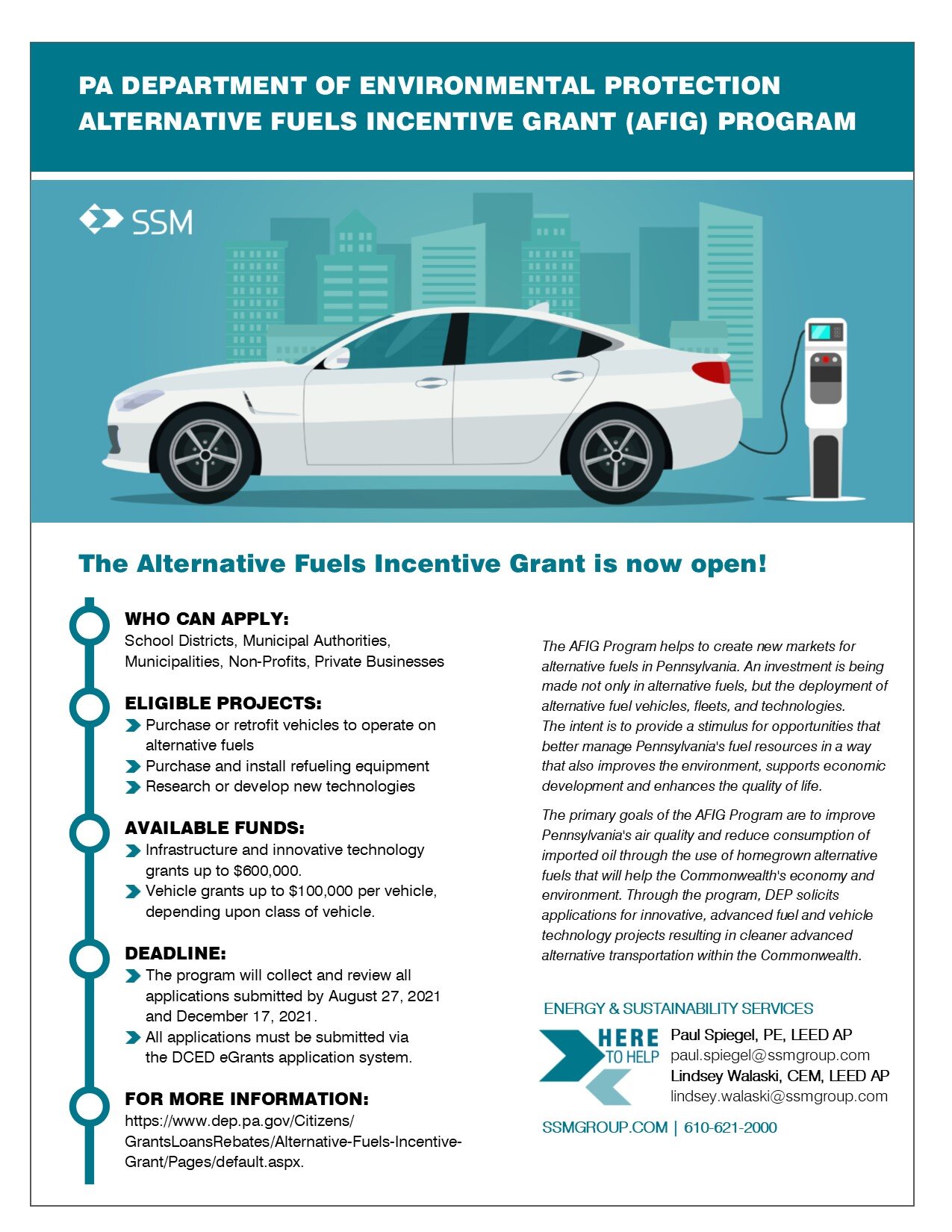

PA Department of Environmental Protection - Alternative Fuels Incentive Grant (AFIG) Program
The AFIG Program helps to create new markets for alternative fuels in Pennsylvania. An investment is being made not only in alternative fuels, but the deployment of alternative fuel vehicles, fleets, and technologies. The intent is to provide a stimulus for opportunities that better manage Pennsylvania's fuel resources in a way that also improves the environment, supports economic development and enhances the quality of life.
The primary goals of the AFIG Program are to improve Pennsylvania's air quality and reduce consumption of imported oil through the use of homegrown alternative fuels that will help the Commonwealth's economy and environment. Through the program, DEP solicits applications for innovative, advanced fuel and vehicle technology projects resulting in cleaner advanced alternative transportation within the Commonwealth.
WHO CAN APPLY:
School Districts, Municipal Authorities, Municipalities, Non-Profits, Private Businesses
ELIGIBLE PROJECTS:
Purchase or retrofit vehicles to operate on alternative fuels
Purchase and install refueling equipment
Research or develop new technologies
AVAILABLE FUNDS:
Infrastructure and innovative technology grants up to $600,000.
Vehicle grants up to $100,000 per vehicle, depending upon class of vehicle.
DEADLINE:
The program will collect and review all applications submitted by August 27, 2021 and December 17, 2021.
All applications must be submitted via the DCED eGrants application system.
FOR MORE INFORMATION:
Spottlight on the Dog Days of Summer
We know you’re dealing with rising temperatures and humidity and trying to stay cool - we’re here to help.

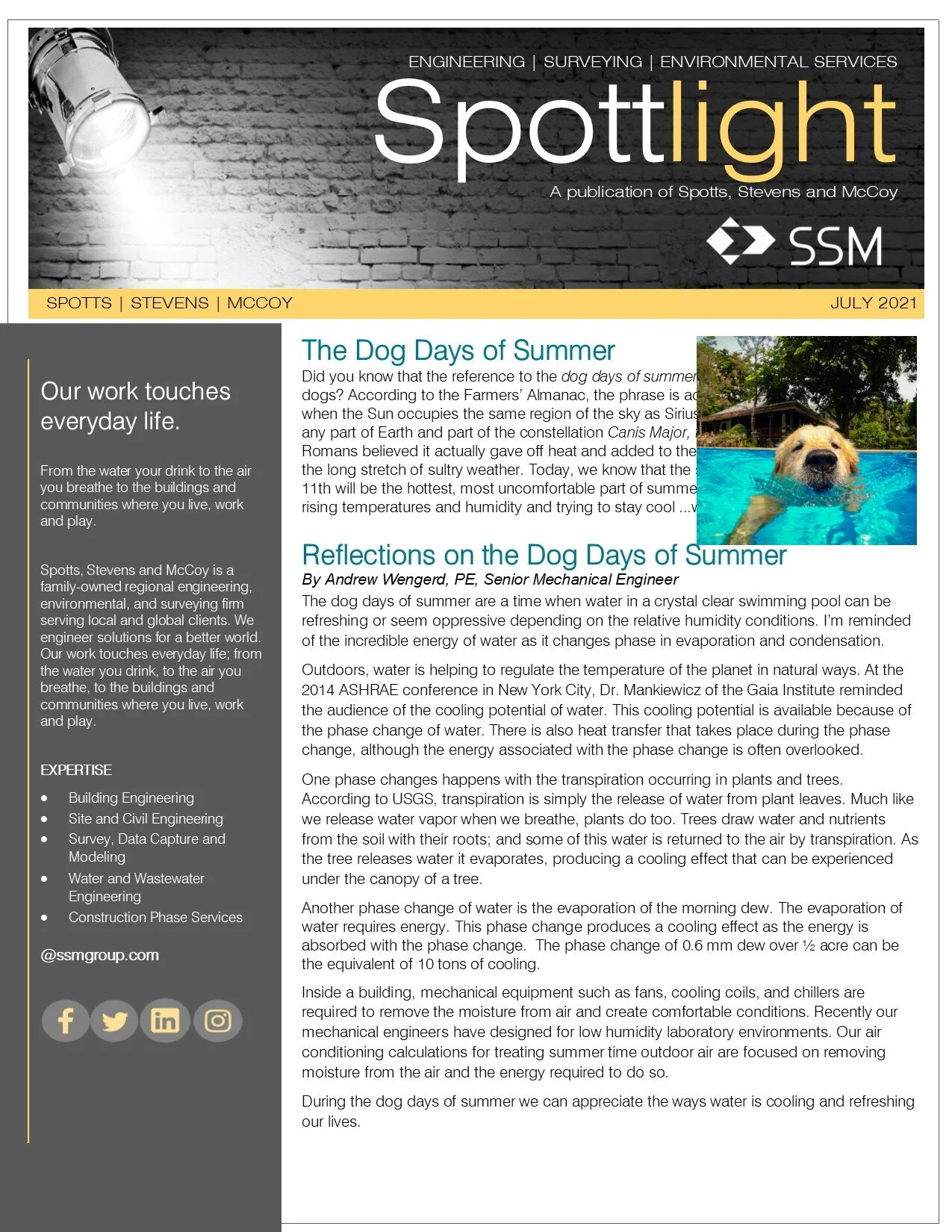
Did you know that the reference to the dog days of summer really has nothing to do with dogs? According to the Farmers’ Almanac, the phrase is actually a reference to the period when the Sun occupies the same region of the sky as Sirius, the brightest star visible from any part of Earth and part of the constellation Canis Major, the Greater Dog. The ancient Romans believed it actually gave off heat and added to the Sun’s warmth, accounting for the long stretch of sultry weather. Today, we know that the stretch from July 3rd to August 11th will be the hottest, most uncomfortable part of summer. We know you’re dealing with rising temperatures and humidity and trying to stay cool - we’re here to help.
IN THIS ISSUE



Funding your next Capital Project
C-PACE Financing offers a viable funding option for capital building upgrades. It continues to gain momentum in Pennsylvania as a great tool to finance energy efficient building improvements.
C-PACE Financing offers a viable funding option for capital building upgrades. It continues to gain momentum in Pennsylvania as a great tool to finance energy efficient building improvements.
Our Energy and Sustainability Team is here to help. From the necessary assessment and modeling pre-requisites, to the project establishment and application process all the way to the technical components of taking your improvement project to completion- we’ve got you covered.
To help you get started in uncovering your opportunity for financing, we turned to the financing administrators to provide you with all the simple and sweet details you need to know.
What is C-PACE Financing?
Commercial Property Assessed Clean Energy (C-PACE) is an innovative financial tool for property owners to obtain low-cost, long-term financing for projects. C-PACE can provide up to 100% funding of total project costs by placing a special voluntary assessment on the property that repays the costs of the upgrades including equipment, labor and soft costs. Because C-PACE is attached to a property assessment, it is a very secure form of financing.
Who’s Eligible?
Commercial properties, tax-exempt organizations, commercial portions of mixed-use buildings, and new construction projects.
What are Eligible Projects?


Energy Efficiency: This includes HVAC upgrades, building controls, LED lighting, green roofs, geothermal energy, heat recovery, and high efficiency equipment such as chillers and heat pumps
Water Conservation: This includes any project that will demonstrate water savings including high-efficiency equipment, condensate water reuse, low-flow fixtures and more
Renewable Energy: This includes improvements such as solar power, wind power, fuel cell, solar thermal and methane gas from landfills and anaerobic digestion, and more.
What are Key Requirements?
Project must be approved by your county’s Program Administrator.
$100,000 minimum financing amount and 95% lien-to-value limit
Financing term cannot exceed the weighted average expected useful life of the installed measures (max. 30 years)
For More Information: https://pennsylvaniacpace.org/
Does this information speak to you?
Let’s get you started on acquiring your funding. Give us a call.
Paul Spiegel, PE, LEED AP | Director Energy and Sustainability Services | paul.spiegel@ssmgroup.com

Beating the Heat in the Dog Days of Summer
We know you’re dealing with rising temperatures and humidity and trying to stay cool ...we’re here to help.
Dormitory HVAC Conversion | Marymount University

CHALLENGE | Existing dorm rooms in each building were served by fan coil units supplied by a two-pipe heating and cooling system. The scope of the project was to replace the existing fan coil units, greater than 270 individual units, and upgrade the existing two-pipe system to a four-pipe system in each building. The conversion was accentuated by the existing units being located in extremely tight spaces above the ceilings.
SERVICE | Mechanical Engineering and Construction Phase Services
SOLUTION | SSM provided detailed coordination with existing architecture and other utilities to successfully field survey and design the conversion. In addition, one of the Hall’s conversions also included replacement of the existing air-cooled chiller with two new 35 ton water-cooled heat recovery chillers and the addition of a dry cooler. The existing boilers were replaced with a new 600 MBH boiler, and new pumps were provided for the heating system as well as the cooling system. SSM also worked closely with the owner and the contractor to facilitate completion of the project during the construction phase.
Ironton Rail: Rails to Trails | North Whitehall Township

CHALLENGE | Half mile rails to trails project along the former Ironton Railroad right-of-way. The project extended the existing Ironton Rail Trail from its terminus to the North Whitehall Township Building/Park Property.
SERVICE | Civil engineering design, permitting, bid and construction phase services
SOLUTION | SSM prepared construction drawings for the half mile project as well as prepared documentation to obtain a Joint Permit from the PaDEP for the construction of gabion walls within the floodway and of trail sections within the floodplain of the Coplay Creek. The trail was improved with compacted gravel and included a 40’ span pedestrian bridge that crossed a tributary to the Coplay Creek.
Energy Audit & Systems Design | Children’s Beach House

CHALLENGE | Identify energy conservation opportunities to an approximate 20,000 square foot, two story facility that holds summer and weekend camps for children with communicative disabilities and other special needs. Energy audits and evaluations extend for multiple years and with consideration that the existing mechanical equipment was reaching the end of its useful life.
SERVICE | Energy audit
SOLUTION | SSM conducted multiple surveys and energy audits of the existing facility over the course of a number of years. In accordance with these audits, SSM recommended several no cost and low cost strategies for saving energy as well as some capital improvement projects that would impact energy efficiency. SSM performed a life cycle cost analysis of the HVAC systems to compare replacement in kind with a geothermal heat pump system and a variable refrigerant system (VRF), determining the VRF system offered the lowest overall lifecycle. SSM further assisted in completion of grant applications to fund the project and design of the HVAC renovation

Reflections on the Dog Days of Summer
The dog days of summer are a time when water in a crystal clear swimming pool can be refreshing or seem oppressive depending on the relative humidity conditions. I’m reminded of the incredible energy of water as it changes phase in evaporation and condensation.

By Andrew Wengerd, PE, Senior Mechanical Engineer
The dog days of summer are a time when water in a crystal clear swimming pool can be refreshing or seem oppressive depending on the relative humidity conditions. I’m reminded of the incredible energy of water as it changes phase in evaporation and condensation.
Outdoors, water is helping to regulate the temperature of the planet in natural ways. At the 2014 ASHRAE conference in New York City, Dr. Mankiewicz of the Gaia Institute reminded the audience of the cooling potential of water. This cooling potential is available because of the phase change of water. There is also heat transfer that takes place during the phase change, although the energy associated with the phase change is often overlooked.
One phase changes happens with the transpiration occurring in plants and trees. According to USGS, transpiration is simply the release of water from plant leaves. Much like we release water vapor when we breathe, plants do too. Trees draw water and nutrients from the soil with their roots; and some of this water is returned to the air by transpiration. As the tree releases water it evaporates, producing a cooling effect that can be experienced under the canopy of a tree.
Another phase change of water is the evaporation of the morning dew. The evaporation of water requires energy. This phase change produces a cooling effect as the energy is absorbed with the phase change. The phase change of 0.6 mm dew over ½ acre can be the equivalent of 10 tons of cooling.
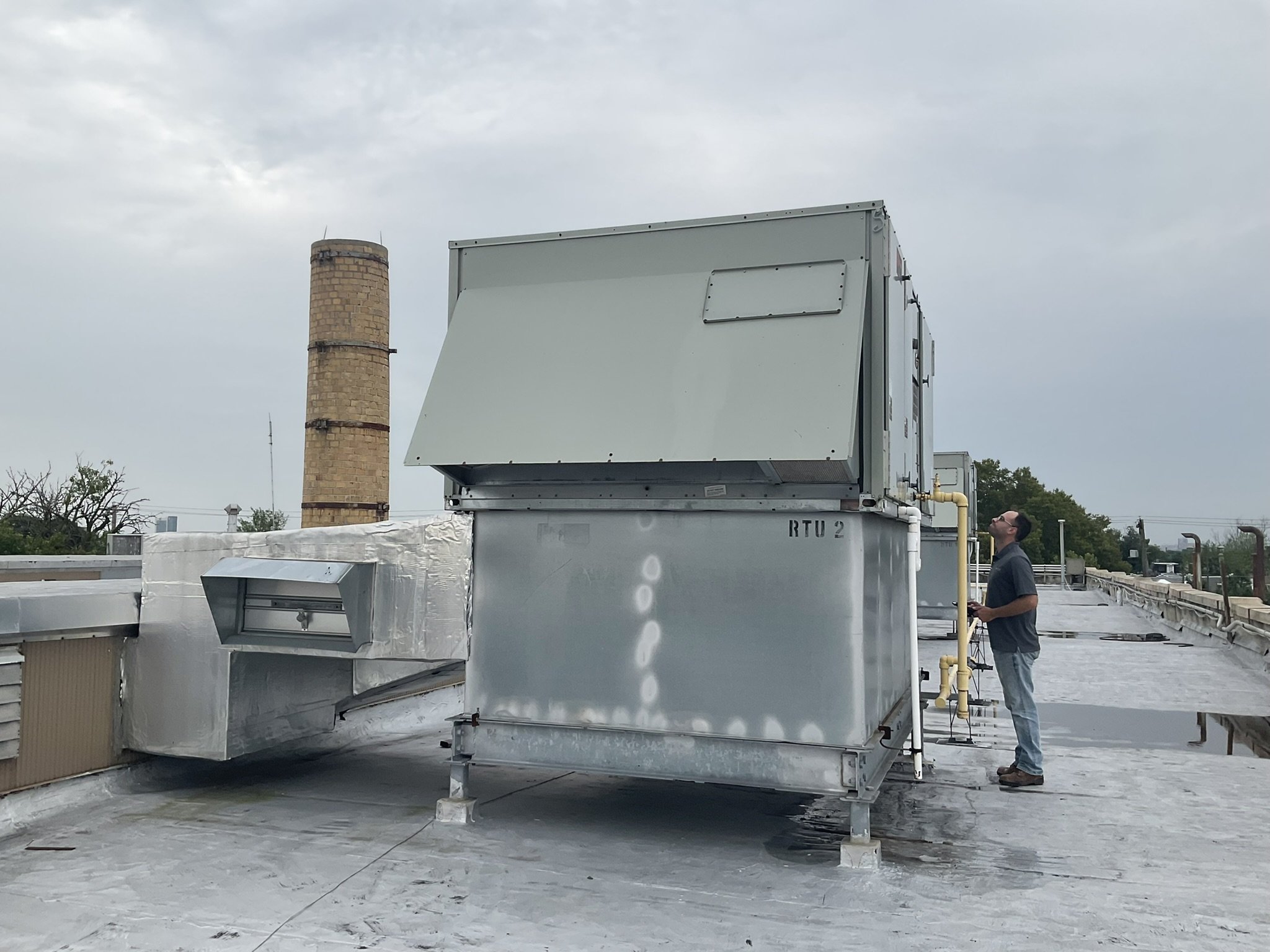
Inside a building, mechanical equipment such as fans, cooling coils, and chillers are required to remove the moisture from air and create comfortable conditions. Recently our mechanical engineers have designed for low humidity laboratory environments. Our air conditioning calculations for treating summer time outdoor air are focused on removing moisture from the air and the energy required to do so.
During the dog days of summer we can appreciate the ways water is cooling and refreshing our lives.
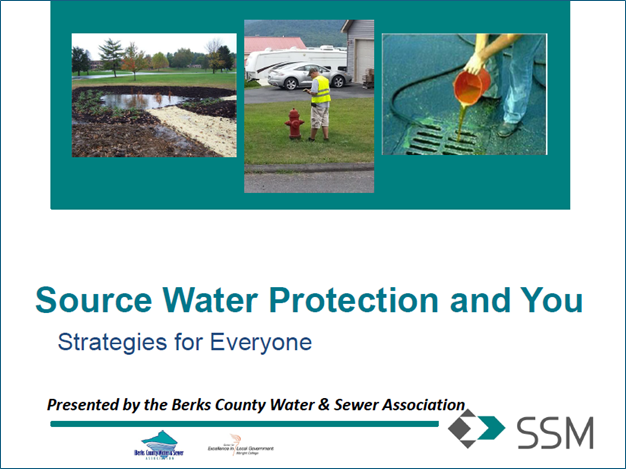
Trending Topics and Technologies for the Water and Wastewater Industry
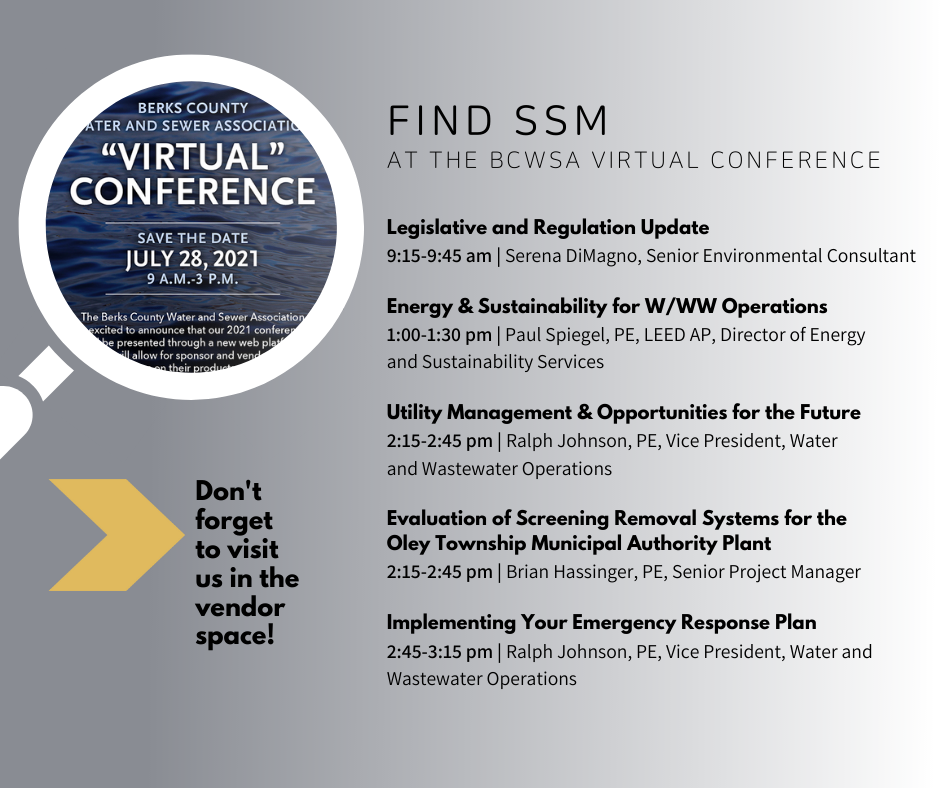
Berks County Water and Sewer Association Virtual Conference
The Berk County Water and Sewer Association 2021 Virtual Conference and Trade Show.
SSM Speaker Profiles and Presentations
Case Study: Evaluation of Screening Removal Systems - presented by Brian Hassinger, PE
Legislative and Regulatory Update - presented by Serena DiMagno

Energy and Sustainability for W/WW Operations - presented by Paul Spiegel, PE, LEED AP

Utility Management and Operations for the Future - presented by Ralph Johnson, PE


Implementing Emergency Response Plans - presented by Ralph Johnson, PE

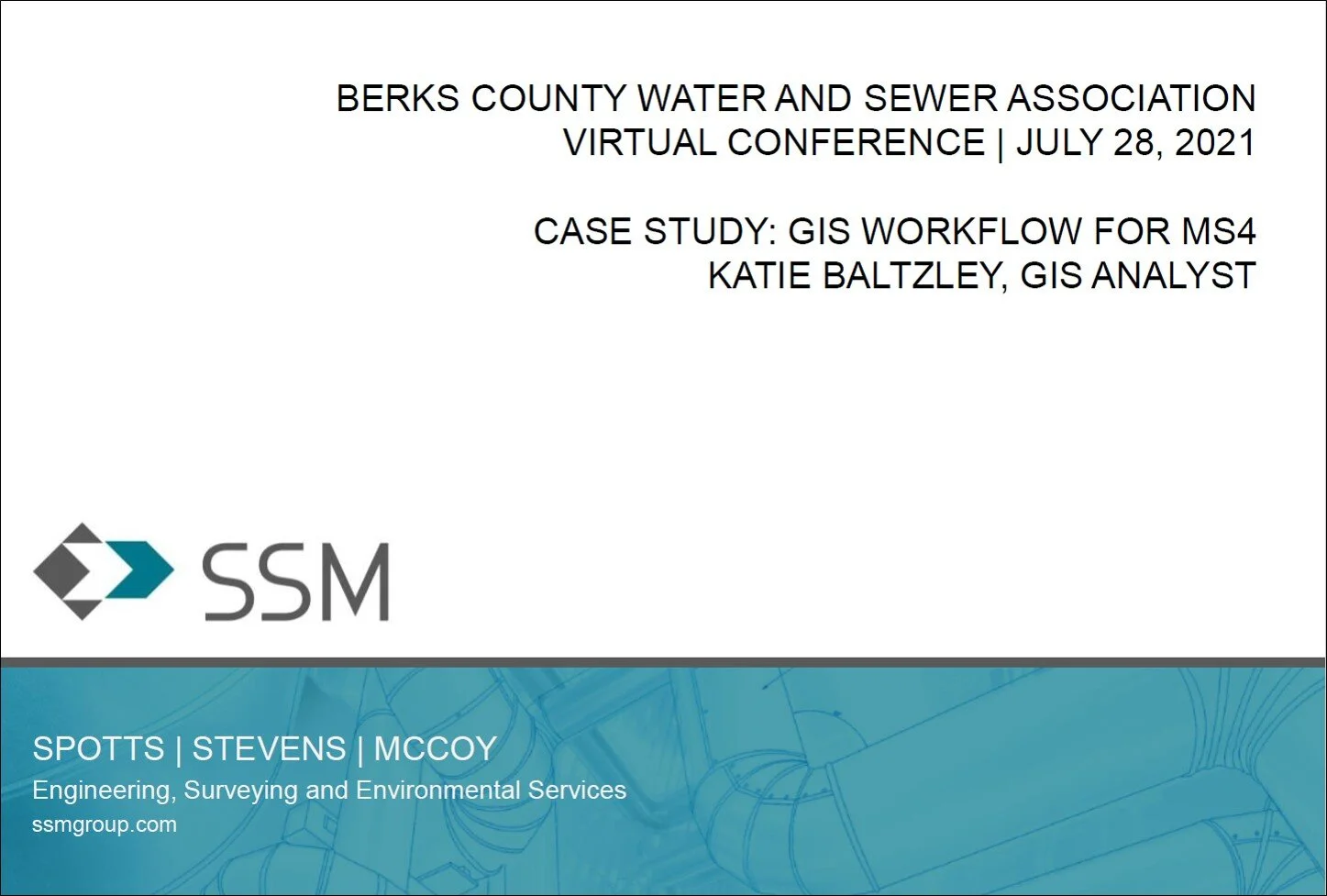
Case Study: GIS Workflow for MS4
Utilize GIS workflows for asset management, including maintenance and inspections.
Optimize Asset Management with GIS
Utilize GIS workflows for asset management, including maintenance and inspections. Featuring a case study highlighting an outfall inspection process using GIS tools.
Presented by Katie Baltzley, GIS Analyst


Understanding the Annual Consumer Confidence Report
SSM assists many of our clients to prepare their annual Consumer Confidence Report. We collect the water system’s analytical data and analyze the data including calculating the average and maximum results of each detected contaminant.

Water Quality Reporting
In 1996, Congress amended the Safe Drinking Water Act, adding a provision requiring that all community water systems deliver to their customers a brief water quality report annually.
Each year, community water systems are required to prepare a water quality report, or a Consumer Confidence Report (CCR), and deliver a copy to each of their customers. Water systems that serve over 100,000 people must post their CCR to a public website. If posting to a website, the supplier must provide a direct URL to customers to access the CCR. These CCRs must also be certified with the PA Department of Environmental Protection (DEP) by June 30th each year. The annual CCR must be delivered to consumers by July 1 of each year.
A groundwater or surface water source may encounter many contaminants as it travels to a water treatment plant. While treatment systems will remove the majority of these pollutants, some level of contaminants are to be expected – whether they are minerals or bacteria naturally present in the environment, or potentially harmful substances resulting from human activity. The purpose of a CCR is to inform customers about these contaminants in their drinking water, and provide information regarding levels of concern. The Report contains language pertaining to the system’s source of water, potential health effects of certain contaminants, and any regulatory violations that may have occurred over the year.
Throughout the year, community water systems collect and analyze samples within their water supply, and upload the results every month to the Drinking Water Electronic Lab Reporting (DWELR) system. The results are then processed through the Pennsylvania Drinking Water Information System (PADWIS) to ensure compliance with EPA and DEP regulations. Contaminants are assigned very stringent Maximum Contaminant Levels (MCLs), and must meet these, as an exceedance could pose a health risk to customers. If the MCL is exceeded, this results in a violation and the water system must take steps to resolve it. This may include issuing a Public Notification to consumers containing information on why the violation occurred and how to mitigate the effects of the exceedance, such as a Boil Water Advisory. Contaminants that are not yet regulated are reported to assist EPA with monitoring the occurrence of these contaminants, and to help determine whether future regulation is necessary.
Understanding the CCR
The CCR is a general overview of the water quality delivered by your community water system. The report lists the regulated contaminants detected in the treated water and the level at which they were found. The CCR intends to provide customers with information on what they are consuming, and whether or not they should be concerned about certain contaminants. Included in the CCR are website links and contact numbers for consumers should they have questions, or want to find additional information regarding health effects of the less common contaminants.
The CCR provides parameters such as Maximum Contaminant Level (MCL) which is the highest level of a contaminant that is allowed in drinking water. To understand the possible health effects described for many regulated constituents, a person would have to drink 2 liters of water every day at the MCL level for a lifetime to have a one-in-a-million chance of having the described health effect. Generally, if there are no MCL violations for the detected contaminants, a customer could know that they are drinking safe, clean water.
We can help.
SSM assists many of our clients to prepare their annual Consumer Confidence Report. We collect the water system’s analytical data and analyze the data including calculating the average and maximum results of each detected contaminant.
Spottlight on the Sun
We’re all about making the world a better place. The summer sun reminds us to enjoy the remarkable nature of the sun outside.
A Sunny State of Mind
There’s plenty to marvel about when it comes to the sun from its enormous size, able to hold 1 million Earths to its near perfect sphere that continues to be a science spectacle. Did you know that the sun rotates on its axis about once every 26 days? It is 93 million miles away from the Earth; but it only takes eight minutes for its light to reach us.
Perhaps one of our favorite extraordinary facts about the sun is its generous offering of energy. The amount of sunlight that strikes the Earth’s surface in just an hour and a half is enough to handle the entire world's energy consumption for a full year. As June comes to an end and we’re all enjoying long sunny days we explore the power and strength of the sun.
IN THIS ISSUE




Harnessing the Sun's Power: Solar 101
We’re all about making the world a better place. The summer sun reminds us to not only enjoy sunniness on the inside, but to enjoy the remarkable nature of the sun outside.

An increasing number of homeowners and businesses across the country are making the switch to solar as an energy source. Two common reasons for this switch include financial savings and environmental benefits.
Solar power is often a cost-effective decision as it drastically decreases your electric bills, even if your solar system doesn’t produce 100% of your consumed energy. Likewise, switching to solar can help prevent paying for rising energy costs and add value to your property.
Switching to solar is also beneficial to the environment and your local utility companies. Your switch can offer less stress on utilities’ infrastructure and contribute to less carbon emissions produced by the generation of electricity via power plants.
So how does it work? Generally, there are less steps in the process of converting solar energy to usable electricity versus standard electrical generation.
Simply put, solar panels absorb sunlight and turn it into electricity. The absorption of sunlight combines tiny photons. These photons, combined with photovoltaic cells in the solar panels create a flow of electrons.
The flow of electrons generates Direct Current (DC) electricity. The DC current is sent to an inverter at your home or business. The inverter converts this DC current to AC (Alternating Current) which is usable electricity for your home.
At this point, the electricity flows throughout your home just like any other electrical source!
Read More:

PennTec 2021: Annual Technical Conference
In the wake of COVID-19 response, now is the time to explore best practices and review what we’ve learned in the wastewater industry. The session will explore potential exposures and how we manage the impact.
Ralph E. Johnson, PE, Vice President Environmental Services presents: COVID and Sanitary Sewers

In the wake of COVID-19 response, now is the time to explore best practices and review what we’ve learned in the wastewater industry. The session will explore potential exposures and how we manage the impact.
Emergency Response Plan Updates, Critical Pandemic Preparedness Plan elements, Exit and re-entry planning - critical positions, maintaining the facility. Protecting the Operators: What needs to change? What if they get sick?
What we’ll discuss
Collection of expert’s best thinking on the topic.
Resource document to help you navigate your decisions
Best Practices in our field.
During this session we’ll explore the historical impact of waterborne diseases and wastewater and the scientific studies being conducted currently to not only detect COVID-19 in wastewater but to possibly use its presence to track and predict potential outbreak locations. We will explore potential wastewater exposure sources and steps to take for protection including engineering controls, administrative controls, safe work practices, and personal protective equipment.
Key points of discussion
The scientifically documented history of disease in sewage contaminated water dates back to 1854 in England
In the United States both state and local governments have primary authority for maintaining the quality and safety of recreational waters (both freshwater and marine).
The United States is one of a few countries to have a national surveillance system for waterborne disease outbreaks.
Source of contamination can be of fecal or nonfecal origin.
No single indicator organism or small set of indicators can successfully identify or predict the presence of all threats.
Since there are still unknowns about COVID-19 being assessed we need to assure we’re using best practice available to us at this time.
Protective practices include Engineering and Administrative Controls, Safe Work Practices and Personal Protective Equipment.
There are steps we can take now to manage the future, and there are resources we can reference to stay up to date with the latest information.
In addition to understanding the impact of waterborne diseases we’ll discuss the necessary updates to Emergency Response Plans and staffing plans to facilitate smooth crisis management should a key member of the team become sick. The program will include focus on key items, initiatives, and programming to have in place in advance.

ABOUT THE SPEAKER
Ralph E. Johnson, PE | Vice President, Environmental Engineering | Mr. Johnson is the director of the water and wastewater engineering and operations services, including all aspects of water and wastewater engineering, municipal and authority representation, water and wastewater treatment operations, treatment plant design, construction phase engineering, water resources and regulatory compliance assistance. Previously with the City of Reading as the Public Works Director and City Engineer, Mr. Johnson brings more than 35 years of experience in the industry which includes Consent Decree Compliance, Dam Safety Issues, MS4 regulatory compliance, emergency response planning, capital improvement project planning and implementation, grant writing, bridge inspection and maintenance, and wastewater plant upgrades and construction.
Considering Solar?
Solar power is a cost-effective decision as it drastically decreases your electric bills, even if your solar system doesn’t produce 100% of your consumed energy. Likewise, switching to solar can help prevent paying for rising energy costs and add value to your property.
Here are a few benefits to going solar:

It’s good for the planet! Electricity from solar lowers the amount of carbon emitted into the environment, reducing our impact on climate change. This results in less pollution and cleaner air!
Lower energy bills! By installing a solar array on your building, you will pay less on your energy bill. Rather than buying electricity through your utility, you will be generating electricity on-site! This savings can be used to pay for the cost of the solar array.
Set’s a good example! Seeing a solar array makes it clear you are committed to a sustainable future, and hopefully inspire others to make environmental improvements in their own daily life!
Increase your property value! Building with a solar array have a higher market value than similar properties without. Additionally, there is a higher resale value for owners!
Incentives! The federal government currently is providing a 26% tax credit for residential and business solar arrays. This is known as the Solar Investment Tax Credit, which was extended until the end of 2022. (Source)
Set it and forget it! Solar arrays have minimal maintenance requirements, as there are no moving parts. Additionally, the typical warranty lasts for a significant portion of the service life for the equipment.
Solar in Numbers
What’s a megawatt hour? While a megawatt measures the power or capacity of an electric system, a megawatt-hour represents how much electricity is delivered through that system in an hour. For example, if a 1 megawatt solar array runs in the full sun for an hour, it will theoretically produce 1 megawatt-hour of electricity.

SSM has been a part of designing hundreds of megawatt-hours of solar!
What’s a megawatt hour? While a megawatt measures the power or capacity of an electric system, a megawatt-hour represents how much electricity is delivered through that system in an hour. For example, if a 1 megawatt solar array runs in the full sun for an hour, it will theoretically produce 1 megawatt-hour of electricity.
Between Wires: Electricity 101
How exactly does your microwave run? Or, your hair dryer and your bedside lamp. Did you ever wonder how electricity is created and then gets from the wire to the device? We put our electrical engineers to the test to answer the question: “How does electricity work?”
ow exactly does your microwave run? Or, your hair dryer and your bedside lamp. Did you ever wonder how electricity is created and then gets from the wire to the device? We put our electrical engineers to the test to answer the question: “How does electricity work?”

Step One: It starts at a generating station with huge generators. This is what you know as a power plant. Here, electricity is generated through large alternators using wind, coal, natural gas, or water.
Step Two: The generated current goes through a transformer that increases the voltage for distribution. This allows the power to be distributed long distance- by distributing it at a higher voltage there is less loss.
Step Three: Next, the electrical charge gets distributed across the country through high-voltage transmission lines. You may have seen these large transmission towers that hold these high-voltage lines.
Step Four: The current reaches a localized substation which decreases the voltage so that it can be distributed through smaller power lines through local utilities. This is where you often see smaller wooden poles along the street.
Step Five: The current travels through your neighborhood via these distribution lines. Smaller transformers will, again, decrease the voltage before it enters your house. Sometimes you might see small transformers mounted on the wooden poles. Other times they may be located on the ground.
Step Six: The electrical current enters through your house by way of the utility company’s meter. When it passes through a meter, it measures how much your household uses.
Step Seven: Upon entering your home, the electricity goes to your service panel. This is often found in your basement or your garage. The service panel houses breakers or fuses which prevent your home wire systems from ever being overloaded.
Step Eight: Just like it traveled through lines outside, the electricity travels through wires inside of the walls of your home and allows you to access it through outlets and/or switches within your home!

Welcome Katie Baltzley, GIS Analyst
Katie specializes in developing integrated GIS data management strategies to support a variety of environmental, municipal, and industrial projects.

KATIE BALTZLEY | GIS ANALYST
Welcome back to Katie Baltzley, GIS Analyst in SSM’s Water Resources group. Katie graduated from Millersville University with a Bachelor’s in Geography and minor in Meteorology. She has been a GIS professional for 6 years.
Katie specializes in developing integrated GIS data management strategies to support a variety of environmental, municipal, and industrial projects. She creates workflows that tie mobile field technologies with web-based office applications to streamline full cycle operations management.
A Solar Energy Case Study
The client’s operation now leverages an ecologically sound electric dredge powered by a large solar array.
Electric Dredge and Solar Array | The Aztec Materials sand mining operation was acquired by Delaware Valley Concrete, a firm that specializes in producing exceptional-quality product for concrete and sand buyers. The site is situated on 300 acres of property in Hammonton, NJ, consisting of sandpit and, formerly, a diesel crane and dredge. The labor-intensive operation relied heavily on trucks to transport sand across the site to screens that filtered out larger pieces. Aztec Materials enlisted Practical Energy Solutions, now a division of SSM, to provide comprehensive energy and sustainability services. The client’s operation now leverages an ecologically sound electric dredge powered by a large solar array.
Services
Grant Acquisition Services
- Calculations on energy savings, energy use reductions & emissions
Engineering Analysis
Financial Services
- Technical and Financial Review
- Cash Flow Analysis
- Life Cycle AnalysisLand Development Plan
Erosion and Sedimentation Control
Permitting Support
Utility Connection Coordination
Solar Renewable Energy Credits
- Utility Contract Negotiation
- Ongoing SREC ApplicationsArray Add-Ons to Monitor Output
Reporting
USDA REAP Energy Efficiency Grant
The team acquired a $250,000 Renewable Energy for America Program (REAP) grant to purchase a new electric pump/dredge, to eliminate diesel fuel use.
USDA REAP Renewable Energy Grant
The 2nd grant acquired for the client was in the amount of $327,000 for a solar photovoltaic array to power close to 100% of initial scope and reduce their environmental footprint. Aztec Materials has since expanded their operations, and the solar array covers the majority of the new total electricity demand. This solar array should last 20 to 25 years.
Project Benefits
With energy cost savings, SREC savings and a 30% federal tax credit, the solar array paid for itself in under 4 years. In addition to satisfying a 10-year loan on the solar array the client will have saved $1.8 million net. Converting the new dredge from grid electricity to solar electricity reduces its environmental impact to almost zero. Considering the towering electricity costs in southern New Jersey, the solar array provides a strong financial and economic benefit for the company, as well as an environmental benefit for the region.

Spottlight on Public Works
Each year in May we join in celebrating Public Works Week. We celebrate the projects that serve communities and make them a better place, and we celebrate the people that make those projects happen. It is public works teams that believe in the future of their communities and the value of the work ahead. That know that it is not just work ahead, but great work ahead. It is work that improves our infrastructure, provides for our neighbors, and offers longstanding safety for our communities.

Since SSM’s inception almost 90 years ago, we have been a company that strives to make the world a better place. That’s why we have worked with public works employees, officials and administrators to design, manage, oversee, and engineer solutions. We are honored to have worked alongside public works professionals for many years, and to continue to join them in reaching goals, attaining success, and embarking on the work ahead.
At SSM we believe that learning and education are tools that not only transcend this time of year, but also transcend the school-aged years.