
Get your Assets in the Cloud: Utilizing GIS for Asset Management
The urgency of going remote quickly identified gaps in existing systems. Many have been forced to use tools that have always been at their disposal- but often overlooked. GIS has always been an advantageous opportunity for asset management. But, recent events have proven that getting assets into the cloud is absolutely critical, and should be a priority.

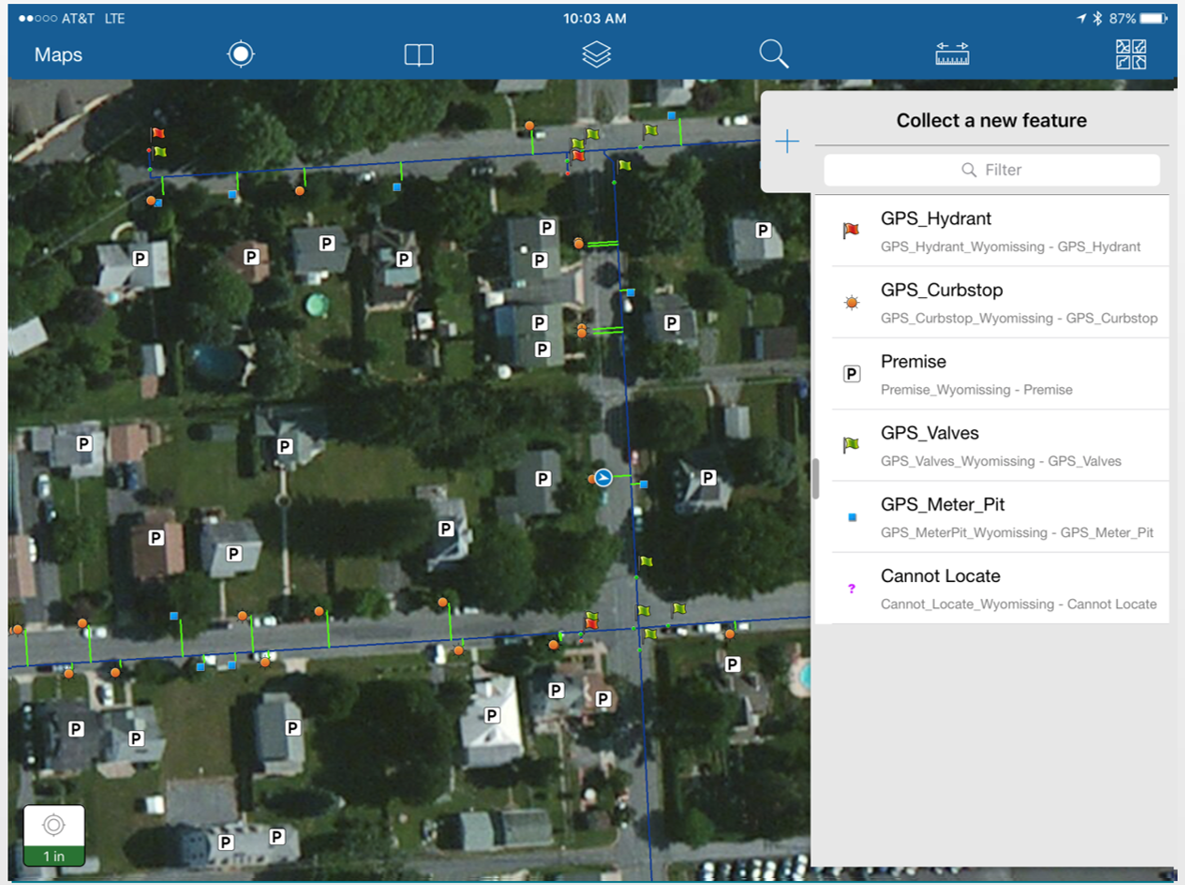
GPS Data Capture
So many people rushed out of their facility with urgency- with no idea what the restrictions would be on returning; or, no concept that they’d be gone for quite so long. For some, simple things as lunch boxes were accidentally left behind. For others, plans and documents that help things move forward- are still sitting exactly where they were left.
For years, organizations have identified ways to stop relying so heavily on paper. Overfull filing cabinets, messy desks, and printing costs are all contributors to this goal. But, being forced to work remotely has proven to be the catalyst that many need to, finally, stop relying on paper.
For asset management, in particular, having consistent and constant access to the most up-to-date information is crucial to maintaining operations effectively.
But the need to have asset information accessible is not new. For years, asset management has been a point of contention for many. What is the most efficient, the most effective, the most valuable… the best way to manage assets?
Cloud-based infrastructure through GIS has always been an advantageous opportunity for asset management. But, recent events have proven that getting assets into the cloud through GIS is absolutely critical, and should be a priority.
Here are 5 reasons that GIS is a game-changer for asset management.
1. Always at your fingertips
“Let me look through my files” is a thing of the past. What happens when you’re in an emergency? What happens when your paper files aren’t accessible? When it comes to asset management, the most important and crucial question is, “Can you find it when you need it?”
For many, going digital began long before this. You see- going digital, using the cloud, creating apps to collect data, none of this is unique to GIS. It’s the incorporation of geographic location and maps that changes the game.
You might already store digital photos of all of your assets. Or scan important updates that relate to construction or modifications to the systems you manage. But- what good are those folders and files- if you can’t find what you need when you need it?

GIS to Document Field Photos
Because in an emergency, you might not just need a picture of any water valve. You need a picture of the exact water valve that resides exactly where your crew is standing.
With GIS, the information you need is always there when you need it. The connection of asset information to location makes asset management easier, and more forward-thinking than ever before.
Here, there, anywhere, your information is accessible. Smart phones, computers, tablets, the digital list is endless. It’s where you need it, when you need it.
Most reports are showing that organizations across the globe have been moved to reconsider what work looks like. This includes remote work becoming a “new normal”. Being forward-thinking means being prepared for the future. Having your assets managed for the future, means having information at your fingertips- no matter where you are or when you need it.
2. Always up to date
One of the most valuable capabilities of GIS is its ability to be constantly updated. Paper plans are only good for the moment in which they are printed. Any changes force plans out of date, and in many cases, out of use.
Consider construction of a utility as a great example. An engineer designs a utility plan. The design plan (paper) gets passed on to construction. During construction, changes are, inevitably, made to the original design plan. These markups are often written on the design plan, forming the basis for the final record “as built” plan.
Sounds like a decent workflow, right? But, what if the design plan wasn’t on paper? What if it was accessed through a tablet? And, during construction, a tablet could be used to make markups. Our GIS team updates the map, and now the plans that you- or anyone- have in their hands at any time are always the right plans, always the most up to date plans, and always they plans they need.
3. Always moving
Let’s think back to the last example- the workflow of passing and updating and editing paper plans. How many projects were put on hold, or at least delayed, because someone, somewhere, had a paper that you couldn’t get to?
This point- GIS keeps things moving- is perhaps one of the key points that organizations learned over the past few months.
When your assets are in the cloud, when you utilize GIS for asset management- projects don’t stop. And emergencies? You’re ready for them too. You shouldn’t be spending time looking through your files, coordinating “get that paper to you” time, or even having to deal with the aftermath of an emergency that was poorly prepared for. Find it, use it, have it- all when you need it.
4. Always together
GIS for asset management also means that everything lives together in one spot. Project notes, locations, pictures, data, it is all embedded together, associated with the geographic point.
What this means is no longer trying to squeeze 3 sentences of notes into the small margin of a paper plan. What this means is no longer having post it notes and scrap paper circulating everywhere. What this means is everything stays together. Everything has a spot. Everything, is where it should be.
Even the simplest maps might have extensive comments that make the map meaningful. Instead of printing and writing- embed a note on a digital map. Now, it’s accessible for many and meaningful to all.
5. Always able to grow
Re-configuring your entire asset management system to GIS sounds intimidating. We get that. But what we love about GIS is its growth opportunity.
We’ve worked with municipalities that only wanted to start small. All they wanted was for field pictures to be accessible in the field. So, instead of taking millions of pictures and storing them in folders on their hard drive- they connected these to a GIS map. So when a field crew arrives to repair an underground utility, they can look at a photo of the installation and understand the configuration before digging it up.
Just pictures. Pictures attached to location create valuable information. Just pictures then expands to more- description of the project, notes about issues or concerns, maintenance records. It’s a simple start of implementation, with the power to grow into a hugely dynamic resource.
We’ve also worked with utility teams that go much bigger- digitizing records for every pipe, valve, and hydrant, everything they own including scans of hand-written plans.

GIS as a Record Management System
We’ve even done projects that extend further. One municipality is utilizing GIS as a records management system, not just assets. Original invoices, information on who installed pieces, everything they could ever need to know- digital, at their fingertips, up to date, all in one place.
The point is, that GIS is here for what you need it for. For many, starting small and simple is a great first step. Then, add something else. Then, add some more. The more you use it, the more excited you’ll be for all of the ways it can grow.
The urgency of going remote quickly identified gaps in existing systems. Many have been forced to use tools that have always been at their disposal- but often overlooked. Across the board, lessons have been learned about how organizations have functioned in the past, and should look to function in the future. GIS for asset management? That’s forward thinking.
#ProblemSolved: Our GIS Team is here to help. If you have questions, send an email to Al Guiseppe, PG at al.guiseppe@ssmgroup.com or give a call to 610-898-3049

Preparing Your Outdoor Space
Maximizing outdoor space has become an urgent priority for facilities and operations managers. Implementation of structures that provide shade and some degree of covering are a critical consideration when planning outdoor space. We encourage you to ask yourself 4 questions before you start the process.
Maximizing outdoor space has become an urgent priority for facilities and operations managers. All varieties of organizations are seeking innovative ways to boost outdoor use. This desire isn’t unique to restaurants- opening outdoor seating. Organizations from large-scale manufacturing to small family-owned businesses are all considering ways to extend what would typically occur inside- to the outside.
While for some, making outdoor space happen was an overnight move of furniture to a parking lot- an urgent shift in operations. But for others, the opportunity for a more viable space that is better suited for conditions is a much better investment option.
Implementation of structures that provide shade and some degree of covering are a critical consideration when planning outdoor space.
As organizations lean to installing these shade structures or coverings, we encourage you to ask yourself these questions to make sure you’re on an efficient path to ensuring what you need happens.
Why are you pursuing this option?
Articulate why you are seeking a structure to ensure the project is going to meet your needs. Some things to consider- how temporary will this structure be? Is this just for one event, a season, or year-long? How will the space be utilized- what types of things will happen in this space? Who is it for- employees, customers, visitors, equipment? Identifying these questions and solidifying your interest in a structure can greatly impact not only the product, but the process.
What do you want to get out of it?
Further specify your goals for the structure- identify what you’d like the structure to do. Is it strictly for offering shade? Or, do you intend for the structure to offer rain shelter? Furthermore- are you seeking a space that sustains in winter, or just warm weather? These types of questions determine whether things like ventilation or heating should be considered. Similarly, if open air is opportune, or additional covering would be of interest. Having a clear understanding of how your organization will use your space and what you’d like it to offer you is imperative to beginning the process.
What type of lighting and electrical needs will you have?
This is a great question to ask yourself from the beginning. Have you considered how daylight may impact your use of the space? Manufacturers, for example, might be looking to extend their break rooms to an outdoor space. But, depending on work shifts- adding lighting could be a priority. You may also want to consider WiFi access and convenience outlets for staff or customers to stay connected. There are a number of options to incorporate electrical and lighting needs into an outdoor shade structure- but consideration should be made early to ensure no delays in project timelines. Answering this question from the beginning, and identifying all of your needs will be a huge benefit when beginning the project process.
Do you have an engineering team?
There are a number of engineering design components that go into creating a sustainable outdoor shade structure or covering. For example, anchorage of tents should be worked on to avoid damage to existing patio structures. Similarly, designing a structure- temporary or permanent- should be specific to the needs of your organization, and the structural things that you have going on. You want a planning and engineering team that can make sure your goals are being met in a safe, accurate, and precise way.
Permitting and codes are another distinct reason to work with an engineering team that can help guide you through the process. A temporary structure can only be erected for a period of time (usually 180 days) to be considered temporary. After that, your structure is subject to building codes. Similarly, temporary structures are all subject to fire code, mandatory construction documents, permits, and egress requirements. While you may feel an urgency to get something up and get people out- working with a team that can help you do it correctly is well worth it.
Consider these questions as your first step to moving towards getting a suitable outdoor space set up for your facility. Then, we encourage you to get a virtual consulting call on your calendar to begin the process.
#ProblemSolved: Our Facilities Engineering Team is here to help. If you have questions, send an email to Kitty Bell, Vice President at kitty.bell@ssmgroup.com or give a call to 610-898-3066

Implementing UV Filtration & Reconfiguring Your Space
When bringing operations and employees back to the facility, air quality is of the highest priority. Ultra-Violet (UV) filtration is an additional area in which we see options for facility managers to use their HVAC system to improve air quality and decrease contaminants and toxins.
Implementing UV Filtration
When bringing operations and employees back to the facility, air quality is of the highest priority.
Ultra-Violet (UV) filtration is an additional area in which we see options for facility managers to use their HVAC system to improve air quality and decrease contaminants and toxins. While UV has become a popular conversation for facility and operations managers, make sure that you are working with a team that can implement it appropriately and effectively for the needs of your specific organization.
UV filtrations are a common offering and can be added to almost any air handler. Adding UV filtration is also an easy adjustment to your system in the sense that it does not require much reconfiguration to implement. While the addition of UV treatment does require some additional electric power, typically a few amps at 120 V, it is a very low pressure drop add to the fan system meaning a change to the air handler fan motor is highly unlikely and the additional cost of operation miniscule.
We know that UV is very effective for eliminating mold and viruses. We’ve actually helped get some of these systems up and running in water treatment plants.
But an important factor is making sure your employees are not exposed to the UV light. This can cause many issues and risks. Our suggestions are to first and foremost, run UV filtration through duct work.
If you are using a recirculating UV system located within the occupied space, we recommend using it when space is unoccupied. An easy tip is to create a “cleaning” schedule for spaces so that UV can work while other parts of the building are being used, or when the building is closed.
A great decision is walking through your options and finding the best fit for your facilities, employees, and budget. Moving forward with mindful and meaningful changes means creating a healthy place for people to work. This isn’t one size fits all- it’s about you, your people, your place- and doing what works for you.
Reconfiguring the Workplace
Don’t forget: reconfiguring your workspace may have a significant impact on your HVAC system.
You may be planning to reconfigure your partitioned office space, or any workspace within your facility. Keep in mind that this will change the airflow of the workspace which not only has an impact on your HVAC system and comfortability, but also the health of your employees. Consider this a priority when re-evaluating how your space will function. We’d be happy to talk through what the reimaged airflow looks like, and how you can best utilize your space.
New ventilation requirements for HVAC systems might also impact the current equipment you have, as for many the current equipment won’t be able to handle the load. Designing a more sophisticated system that uses a higher level of design and more outdoor air, might be a good option. While this is not always as energy efficient as we’ve seen in the past, we can still design the new standards to be as efficient as possible and healthy for employees.
The priority is to remember HVAC’s role in the health and functioning of your facility. Too often, HVAC becomes an invisible thing that we forget needs to be cared for, upgraded, and utilized to the best of its capacity. Think forward to what you can do to best take care of your people, and your building.
#ProblemSolved: Our Mechanical Engineering Team is here to help. If you have questions, send an email to Bruce Bell, Director at bruce.bell@ssmgroup.com or give a call to 610-898-3079

5 Keys to a Victorious Virtual Meeting
Today, the most pervasive new way to communicate is via video meetings. But, unfortunately, many people do it poorly. Here are five keys to a virtual meeting so you can own the “room” like never before!
Today, the most pervasive new way to communicate is via video meetings. But, unfortunately, many people do it poorly. Someone who doesn’t know how to navigate their video calls properly is the virtual equivalent to that person you meet at a networking event with their tie askew and their collar flipped over. Practice these five keys to a virtual meeting and own the “room” like never before!
1. Proper Preparation
After nearly three months of practice, the expectation is growing that everyone should be proficient in the use of video tools. While each video tool has a different layout and different settings, it could be a good practice to download each and do some rehearsals. Some key things to know are how to turn your video on and off, how to mute yourself, and how to effectively share your screen.
The most common tools to practice on include: Microsoft Teams, Zoom, Google Meet, WebEx, and GoToMeeting. If nothing else, if you’re scheduled to go on a call with a tool you aren’t comfortable with, do yourself a favor and practice using it for 15 minutes the day before. This will ensure that the tools works on your computer and you are familiar before video meeting with others. Oftentimes, people show up late for meetings because they failed to download or update the software ahead of time. Make sure to be proactive so this doesn’t happen to you.
Internet Connectivity:
Poor internet connection can wreak havoc on a video call. Whether you’re calling in from home or the office, ensure you have fast and capable internet connection. If you have a history of slow internet at home, consider an upgrade. Some companies are investing in this on behalf of their employees and subsidizing their monthly expenditure on connectivity. You can test your internet speed here.
2. Plan Ahead
Just like in-person, meetings need to be well run in order to be worthwhile and effective. A few simple steps can make sure your virtual meetings are run well.
Who’s in charge here?
Designate one single person to be in charge. Having one individual unequivocally running the meeting will save time, energy, and confusion. This is especially true when you pick the right person. The facilitator of meeting means they’re in charge of start and end times. Virtual, and in-person, meetings should start on time and end on time. The meeting runner also ensures attendees adhere to the meeting expectations and agenda. They also do the difficult job of ensuring everyone has time to speak as well as calls on people when they “raise” their hands. Facilitators should also make sure to closely monitor the chat for any side questions that may be raised during large group virtual meetings.
While being the meeting runner might not sound exciting, it is certainly a role that saves the meeting from dysfunction and the attendees from frustration.
What’s on the agenda?
Establish a clearly defined meeting objective. Your agenda makes sure that objective is reached.
For example, if you’re holding a virtual sales presentation your objective might be, “We’re here to determine whether our product is a fit for your business.” On the other hand, an internal management objective might be, “This meeting is to ensure management is aware of current projects by providing updates form key internal departments.”
It might be a good idea to include time limits on your agenda for sub items, or speakers when appropriate. This specific outline will ensure that everything you want to cover, gets covered. (Pro tip: don’t forget to include time for question and answer if it fits with your meeting type).
An agenda should be sent out 24 hours before the meeting so that attendees have a chance to review and prepare.
3. Comprehensive Calendars
If it isn’t on the calendar, it isn’t going to happen. A common (and simple) mistake that people make when it comes to virtual meetings and events is not properly and effectively using calendars.
First off, make sure that everyone who should be at the meeting is invited to it beforehand.
If you’re sharing an event with people outside of your organization, they may be using a different calendar tool. For example, you might be on Outlook, they might use Google Calendar. These various tools don’t always talk to each other very well. So, take the time to follow-up with meeting invitees to ensure they have the information they need ahead of time and can access all of the associated video links.
Meeting notes on calendar invitations can serve as a great space for details. Use it! Include the agenda in the meeting notes, links to join the meeting, and any other reference information that might be useful to attendees. This helps prevent searching tirelessly through email inboxes- it’s all included right on the calendar!
Event Promotion:
Now is a great time for many to be actively involved in virtual events. Even if the event doesn’t look that great, people will probably show up for it. Let’s be honest here, many people are LOOKING for things to do! Plus, signing on to a virtual event is far less of a commitment than driving to one. So, you have an opportunity to engage a lot more people that normally might be hesitant. So, make sure you’re promoting your event well. Poor virtual attendance is a symptom of poor promotion. If people aren’t showing up to your event, it’s likely because they aren’t hearing about it.
There are plenty of online resources to help you promote your event. LinkedIn Events table for Company pages is an incredibly powerful way to invite people to an event. You could also use Eventbrite, Facebook, your local Chamber of Commerce, partnerships, your email list, and good old fashioned press releases. Here’s a great resource for hosting your own virtual event. (https://blog.hootsuite.com/virtual-events/)
Remember to give people enough time to get it on their calendars. Two to three weeks in advance is a sweet spot for events. If you’re posting only five days before the event, there is more than likely a conflict for more people.
4. Microphone Mastery
Know how to mute and unmute yourself. This is a BIG ONE. There are mistakes, and then there are big mistakes. A mistake is forgetting to mute your microphone. A big mistake is forgetting to mute your microphone and then going to the bathroom while on a call. Yes, it happens.
Background noise ruins meetings. If the person speaking is the only one that is unmuted, then meetings will not get microphone feedback or interruptions from background noise.
Pro tip: keep your cursor over the microphone button for the vast majority of the meeting. So, all you have to do is click!
When you’re about to speak, click to unmute.
When you’re done speaking, click to mute.
It’s that simple.
Always enter meetings on mute. There is typically a conversation happening when you first log in that you don’t want to interrupt. Unmute yourself and say hi once people have said hello.
Meeting facilitators should take on the role of monitoring when others are unmuted and causing a disruption. Don’t be afraid to ask attendees to mute themselves. If your virtual conferencing tool offers a hand-raise feature, encourage use of it and have your meeting facilitator monitor when hands are raised. This is a great tool for encouraging engagement, without running the risk of meeting disruptions.
5. Vivacious Video
The key to looking good on video chats is to… make the effort to look good. While working remotely presents the opportunity for lackadaisical grooming and dress- it also says something about your personal brand, and how seriously you take your work.
Wear something nice. Shower before a meeting. Shave. Comb your hair.
Remember that the impressions you would normally leave in person are narrowed in video calls. So things like how you shake hands or the way you smell are all narrowed down to how you look and the voice they hear. That’s it. So, control what’s in your control and you’ll make a great impression.
Captivating Camera:
Your camera placement can play a huge role in how you portray yourself.
Put your camera at eyelevel. That way, when people see you on their screen, it looks as though you are looking at them in the eye. It’s a simple little hack that makes people feel more human and connected.
Invest in great technology. If your camera gives a poor quality, upgrade it. If you look fuzzy on the screen, consider making a change.
Beautiful Background:
Control your background area by ensuring your back is to a wall. This way, you won’t get housemates walking back and forth in the background.
Make sure to keep your area clean. A simple way to ensure your background looks good is to have a bookshelf behind you. As an added bonus- pick out books and décor for your bookshelf based on who you are talking with. You’d be surprised how many people notice what you have behind you.
Many video conferencing tools allow you to change your video background to some other picture, design, or location. These can certainly be used for humorous purposes, but be prudent in who you show off your Martian planet background to. Not used in an appropriate setting, and these background end up looking chest and unprofessional.
Own your space:
If you really want to rock virtual meetings, take them from the same place every time. This way, you can perfect your lighting, background, and camera placement. You’ll be comfortable knowing that you look terrific each time you log on. This also eliminates variables, ensuring your housemates or office mates give you your space when you need it.
Lovely lighting:
Getting lighting right can be the difference between looking dashing, and looking like a DC comic villain. But getting the lighting right is also simple.
Make sure you do not have your back to a window or some other light source. The light should come from in front of you, illuminating your face.
But be careful, too much light will wash you out.
You can easily find the balance of too much light and not enough when you practice ahead of time. A great idea if to put a small, adjustable desk lamp near you, so you can change its angle to manipulate how much light goes on your face.
You’ve got this!
It doesn’t take much to look, feel, and display yourself as incredible, just a few minutes of preparation and thoughtfulness. Elevate your brand and implement the five key steps to virtual meetings. You’ll be so glad you did.
#ProblemSolved: Need more tips on virtually communicating? Our marketing team would be happy to help. Send us an email at information@ssmgroup.com