

Electrical Safety Tips for the Winter
Less natural light coming through the windows, more time spent indoors, and freezing temperatures right outside - these are all factors that contribute to higher electrical use during the winter months. This winter, be sure to manage these electrical tips so that you can keep your home, and the people in it, not only warm - but also safe!

When outside temperatures go low, electric bills often go high. Winter is the time of year when electric usage is often at its highest.
Electric use increases for many reasons: less natural light coming through the windows, freezing temperature causing heat to turn up, more time being spent indoors, more devices being used!
In addition to the extra electrical use, the winter season poses many unique electrical hazards. More portable heaters come out, more electrical outlets are loaded, and higher winds and variations in precipitation bring about many risks for dangerous accidents to occur.
Refresh yourself on these 7 electrical tips so that your family stays warm, and safe, this winter season.
7 Electrical Safety Tips for the Winter
Use space heaters safely - and on their own outlet.
As a rule of thumb, keep your portable space heaters a minimum of four feet from furniture, drapes or clothing. Refrain from using an extension cord or power strip to plug space heaters into an outlet. Space heaters require a high electric current that is not ideal for use with these strips and extension cords. Because of this, your strip could melt, burn or start a fire. The safest way for you to power your space heater is to use a wall outlet with no other item plugged into that outlet. Don’t forget that you should never leave your space heaters unattended. Turn them off when you leave the room and always when you leave home and go to bed. Lastly, always monitor your heaters to ensure that they do not overheat.
Make sure you have carbon monoxide detectors that are installed and functional.
It’s a good idea to have carbon monoxide detectors on every level of your home. First Alert also recommends in every bedroom, outside every sleeping area, and in common areas such as living rooms. Because heating fuels are used more frequently in winter months - gas, coal, or wood- the opportunity increases for carbon monoxide poisoning to occur in your home. Always test your detectors to make sure they are working properly and are within their working lifespan. And, don’t forget to change your batteries every six months.
Check and prepare to use your generators.
It’s always good practice to make sure that your generators are ready to work before you actually need to use them. If you have a portable generator, make sure it is operating and functional, and you have a plan of action should you need it. You will want to keep your generator as far away from the home as possible to prevent carbon monoxide emissions from entering your home. It’s also a good idea to have a dedicated circuit for your portable generator. This way, you do not overload your generator.
Do not overload your circuits or wattage. Plus - make sure your outlets and power strips are not creating a hazard.
It may be darker in your home, but you should still follow the recommended wattage for your light fixtures. Similarly, be mindful of how you are loading your circuits. It’s best to try to maintain only one high wattage item per outlet. Following this rule will help you to prevent overloading your outlets with too much wattage for it to handle. Many outlets get extra use during the winter months due to added heating devices, electrical entertainment devices, and even holiday lights and decorations. Be mindful of how much wattage you are using in your outlets.
Make sure that your cords and power strips are not creating a fire hazard. Running cords under carpets or behind furniture can increase the risk of fraying, which can quickly lead to a fire in the home.
Do routine checks of your electrical infrastructure, and be observant of red flags.
Make a habit out of investigating your outlets and any accessible electrical components. Electrical issues are very dangerous if not addressed, and especially when considering harsh winter elements. Be sure to call a qualified electrician if you notice any loose connections, scorching on outlets, or old electrical outlets. These are all hazards that should be taken care of immediately, and by a professional. You should also be aware if you notice any flickering lights, frayed wiring, or crackling sounds.
It’s also a good idea to have an experienced electrician inspect and test your ground fault circuit inceptors (GFCI) outlets. These are a safety system that prevent electrocution. Having an electrician make sure they are functional will keep your family safe through the winter months, and all year long.
Be cautious with electric blankets and other warming devices.
Electric blankets are a great tool for keeping warm. But if used improperly, they pose their own set of risks in the home. It is not recommended to sleep with an electric blanket, or to keep it on for extended periods of time or when you leave the room. And, always be diligent about disposing of electrical blankets that have become over-used or are damaged in any way.
Trust your professionals.
Always remember that electrical safety checks and repairs should be trusted to professional electricians. Avoid doing electrical work on your own in your home as it can be very dangerous. Experienced electricians should be called for any projects relating to electrical safety inspection, rewiring, installation, and more.

DEP announces DC Fast Charging and Hydrogen Fueling Grant Program
The Department of Environmental Protection (Department) announces an opportunity to apply for up to $2.2 million in grants offered through the DC Fast Charging and Hydrogen Fueling Grant Program
The Department of Environmental Protection announced an opportunity to apply for grants offered through the DC Fast Charging and Hydrogen Fueling Grant Program, one of the funding programs under the Driving PA Forward Initiative. This funding is available for light-duty zero emission vehicle supply equipment projects that will improve air quality and protect public health and the environment in this Commonwealth by reducing emissions through expanded use of DC fast charging and hydrogen refueling infrastructures.
Eligible Projects: those that will install DC fast charging or hydrogen fueling equipment in community hubs, transportation corridors and destinations, as defined in the Program Guidelines. Funding is available for public and private entities including school districts, municipal authorities, political subdivisions, State and local agencies, tribal governments, nonprofit entities, corporations, limited liability companies, partnerships and sole proprietorships which are incorporated or registered in the State, air quality or transportation organizations and metropolitan or rural planning organizations.
The Program Guidelines and Application Instructions are available on the Department's Driving PA Forward webpage at https://dep.pa.gov/DrivingPAForward/.
FOR MORE INFORMATION: Andrew Shambach | andrew.shambach@ssmgroup.com
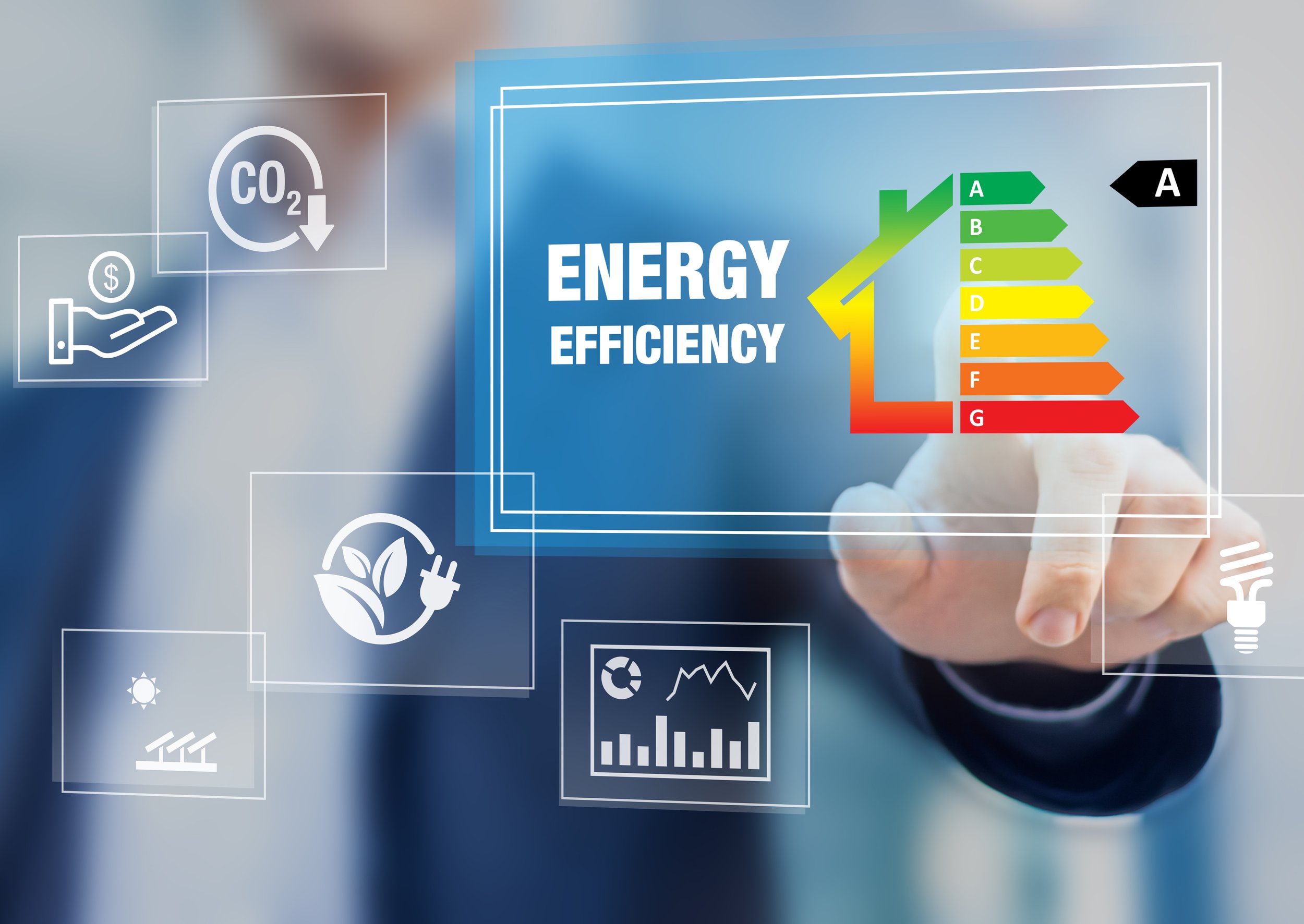
Energy Efficiency Investment Fund Supports Projects in Delaware
Support from the Energy Efficiency Investment Fund is available to perform energy assessments, to take widely-recognized (prescriptive) improvement steps, and to implement custom, site-specific improvements.
Support from the Energy Efficiency Investment Fund is available to perform energy assessments, to take widely-recognized (prescriptive) improvement steps, and to implement custom, site-specific improvements.
The Department of Natural Resources and Environmental Control (DNREC) provides grants through the Energy Efficiency Investment Fund (EEIF) to help commercial and industrial customers replace aging, inefficient equipment and systems with energy efficient alternatives.
Energy Efficiency Investment Fund Grants
Energy Assessment Grants support single purpose (targeted) energy audits and comprehensive energy audits designed to help facilities receive technical evaluations for appropriate, cost-effective energy efficiency improvements, specific to each building’s needs.
Prescriptive Improvement Grants include two types of applications: prescriptive lighting and heating, which includes natural gas heating and water heating equipment.
Custom Improvements Grants apply to more complex or one-of-a-kind measures that go beyond the equipment funded by Prescriptive Improvement Grants. Custom incentives mitigate a significant portion of the project costs for high efficiency equipment. They are based on incremental cost, calculated energy and demand savings of retrofit projects, cost effectiveness, and are limited by total project cost.
Combined Heat and Power Grants include five types of Combined Heat and Power (CHP) systems: microturbines, reciprocating engines, gas turbines, steam turbines, and fuel cells. Systems must meet the minimum 60% annual system efficiency requirement, and produce 1.0 MMbtu/hour of useful thermal output. The CHP pathway is ideal for facilities with high annual hours of operation and a high thermal load.
FOR MORE INFORMATION:
Website: https://de.gov/eeif
Application Portal: https://eeif.smartsimple.com/s_Login.jsp
ESupplier website for Payment: https://esupplier.erp.delaware.gov/
Does this information speak to you?
Let’s get you started on acquiring your funding. Give us a call.
Paul Spiegel, PE, LEED AP | Director Energy and Sustainability Services | paul.spiegel@ssmgroup.com