

Sydney Jernigan, EIT Named Senior Graduate Engineer
Sydney Jernigan, EIT has been named Senior Graduate Engineer, Process Engineering and Design.
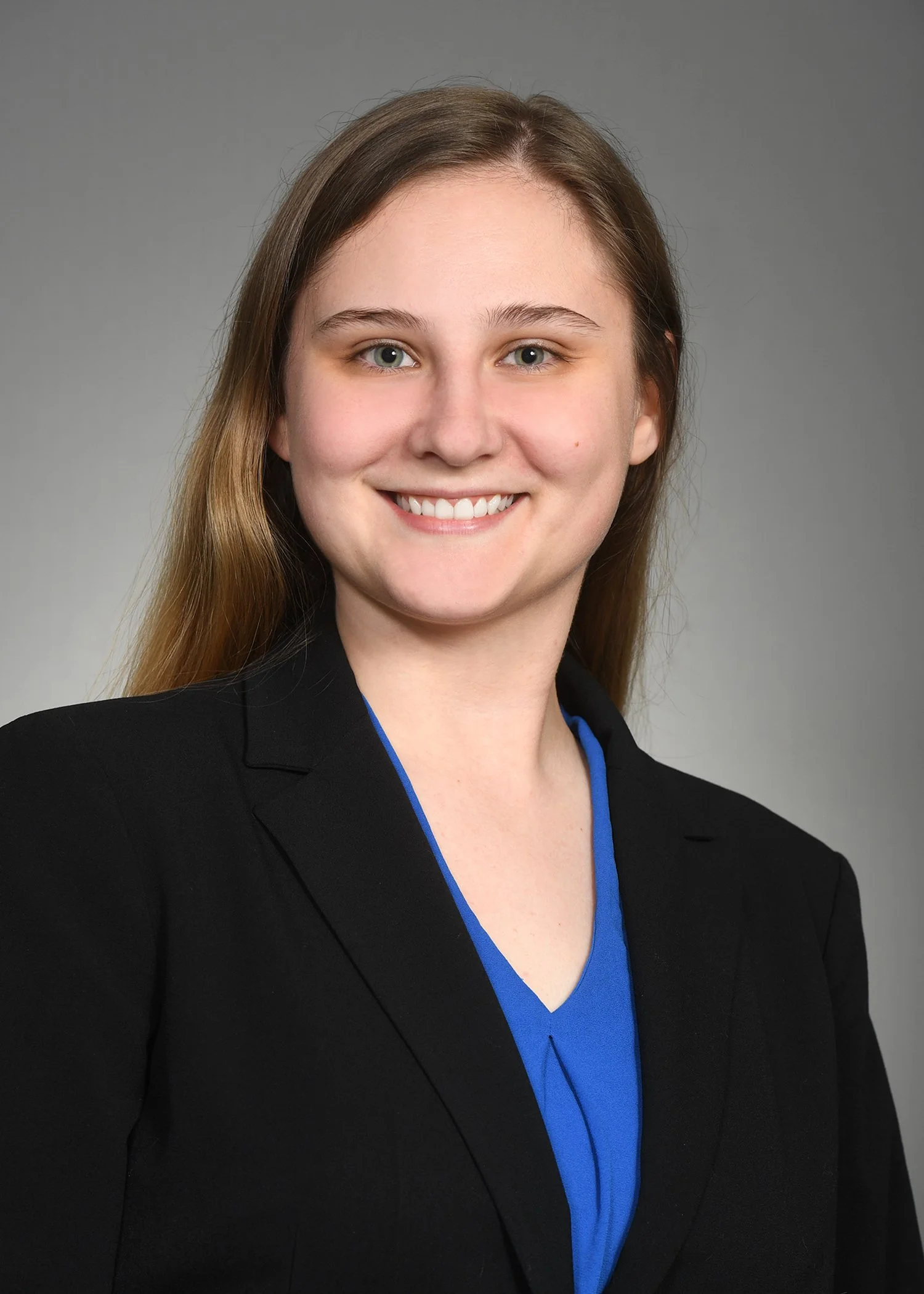
SYDNEY JERNIGAN, EIT
Sr. Graduate Engineer
Sydney Jernigan, EIT has been named Senior Graduate Engineer, Process Engineering and Design. In this role her responsibilities include data analysis, preparation of DEP and DRBC permit applications and renewals, preparation of legal specifications and bidding documents and coordinating various reports for water and wastewater systems.
Sydney has five years of experience in environmental engineering including experience with hydraulic modeling of water systems and 3D pipe design, preparation of CFA Grant Applications and preparation of Act 537 Sewage Facilities Planning. She holds a Bachelor of Science in Civil Engineering from Temple University. She is also professionally affiliated with the Eastern Pennsylvania Water Pollution Control Operators Association (EPWPCOA).
About the Firm: Spotts, Stevens and McCoy, Inc. is a family-owned regional engineering, environmental and surveying firm headquartered in Wyomissing PA with satellite offices in Lancaster, West Chester and Lehigh Valley. SSM provides services to various types of local, regional and national businesses that include commercial, industrial, manufacturing and telecommunications as well as healthcare and higher education institutions.

Water and Wastewater: Emergency Preparedness
For water and wastewater treatment plants, keeping your operators healthy and protected is the priority. Make sure your operators are equipped to continue operating your plant in a safe and healthy way. Of similar priority, be prepared for the worst case scenario. Make sure you have everything in place to easily transition should someone at your plant get sick.
For water and wastewater treatment plants, keeping your operators healthy and protected is the priority. Make sure your operators are equipped with the right personal protective equipment and support that they need to continue operating your plant in a safe and healthy way.
Of similar priority, be prepared for the worst case scenario. Make sure you have everything in place to easily transition should someone at your plant get sick. An important first step to take in being prepared is ensuring you have up-to-date operating procedures and guidelines that are readily available.
We hope you aren’t faced with this situation. But if you are, we’re here to help.
Support Options for Water and Wastewater Treatment Operations
In the event that you experience staffing challenges due to the coronavirus pandemic, SSM has qualified, experienced, and certified water and wastewater management, operations and maintenance personnel to assist and/or backup your personnel.
Review, update or prepare Standard Operating Procedures and Guidelines
Conduct a vulnerability assessment and prioritize risk points
Provide certified operators
Perform sampling and laboratory procedures
Provide management services
Provide administrative services
Operate treatment plants or provide shift operators
Operations management and oversight
Operate dewatering equipment
Perform maintenance procedures
Troubleshoot process issues
Troubleshoot machinery or equipment issues
Call SSM today at 610-621-2000 or send us an email at information@ssmgroup.com for help determining how to best prepare for a potential crisis at your facility.


SSM Welcomes Robert Weinzapfel, PE
Robert Weinzapfel, PE, Senior Engineer joins the Water and Wastewater Engineering Department.

Robert Weinzapfel, PE, Senior Engineer joins the Water and Wastewater Engineering Department. Mr. Weinzapfel has engineering experience in power plants, wastewater and water treatment facilities, municipal and commercial facilities, and refineries. His experience includes heating, ventilating, and air conditioning (HVAC), industrial air treatment, boiler systems, chillers, plumbing systems, and other mechanical systems. Also experienced in mechanical design of pump stations, headwork facilities, digester/natural gas systems, and sludge heating systems, sludge thickening and dewatering facilities for wastewater. Weinzapfel, a graduate of Purdue University with a BS in Environmental Engineering is a Registered Professional Engineer in Pennsylvania and Maryland.

SSM Welcomes William Orlowsky, PE
William T. Orlowsky, PE, Senior Engineer joins our Water and Wastewater Engineering Department.

William T. Orlowsky, PE, Senior Engineer joins our Water and Wastewater Engineering Department. Mr. Orlowsky’s experience in the water and wastewater industry includes civil and water/wastewater design, field engineering during construction, and plant operations. His experience includes design of plant expansions and upgrades, collection and conveyance systems, developing treatment alternatives, development of plans and specifications, coordination of work with other disciplines, preparation of construction cost estimates, and preparation of permitting applications to regulatory agencies. He is a graduate of Temple University with a BS in Environmental Engineering and MS in Civil Engineering and is a Professional Engineer in Pennsylvania, New Jersey, and New York.

SSM receives McKenna Award
Spotts, Stevens and McCoy was recognized by the Eastern Pennsylvania Water Pollution Control Association (EPWPCOA) receiving the Joseph McKenna Award for technical and financial contributions to the EPWPCOA.

Scott Carl (center) and Jamie Lorah, PE (right) receive the Award for SSM.
Spotts, Stevens and McCoy was recognized by the Eastern Pennsylvania Water Pollution Control Association (EPWPCOA) receiving the Joseph McKenna Award for technical and financial contributions to the EPWPCOA.
Spotts, Stevens and McCoy is a family-owned regional engineering, environmental, and surveying firm serving local and global clients. We engineer solutions for a better world. Our work touches everyday life; from the water you drink, to the air you breathe, to the buildings and communities where you live, work and play. We have been serving municipal and authority clients in the water and wastewater industry since 1967. As such we value our relationship and are committed to EPWPCOA as an organization, providing technical and financial support. We participate in many committees including the Mid-Summer Expo, Constitution and Bylaws, and Young Professionals as well as providing support for events in the form of sponsorship, signage, prizes, and volunteers. and committee participation.

Three Small Things that Can Make a BIG Difference in the Bottom Line
There are three areas that can provide big savings in WWTP Operations: energy usage, chemical addition, and sludge generation and disposal
Inefficiencies in Municipal Wastewater Treatment Plants
Many Wastewater Treatment Plants (WWTP) were built at a time when budgets were not so tight and engineers erred on the side of caution to ensure that the plant met the design criteria. Many WWTP operators only have experience at one WWTP where they learned the trade from the previous operator. Those operators may have learned how to run the plant from the engineer who designed the facility and never changed their operations approach to adapt with the times.
What some call the municipal approach, “if a little is good, more must be better”, is often seen at smaller plants. This can lead to many unseen expenses. There are three areas that can provide big savings: energy usage, chemical addition, and sludge generation and disposal
The largest typical waste of energy in a WWTP is over aerating. The specific amount of air needed for a well running plant varies with the type of treatment process and the control capabilities. Activated sludge plants require a specific volume of air for BOD removal and nitrification. Online dissolved oxygen monitoring equipment can lead to a very efficient system if the associated controls are installed at the blowers. If these controls are not available, the operator has to select blower settings that allow for the plant to operate within the desired dissolved oxygen levels for the longest period of time possible. Dissolved oxygen will vary with changes of temperatures meaning that spring and fall are the most difficult seasons to maintain consistent dissolved oxygen levels.
Chemical addition is an area where waste often occurs. The ideal way to determine appropriate dosage is to perform jar tests. You add various dosages of chemicals to equal volumes of sample to determine which dosage provides the best flocculation and settlings to achieve desired treatment results. Overdosing of chemicals can lead to excess floc formation, sludge generation, and inhibit settling. If a facility doesn’t have the ability to perform jar tests, a chemical representative will typically give you a starting dosage and adjustments can be made by using visual analysis and laboratory data.
Sludge generation can be impacted by multiple operations approaches. Overdosing chemicals can lead to excess sludge generation and disposal requirements. Excess wasting can also generate increased levels of sludge. Each biological process requires sufficient biomass to treat the level of contaminants in the waste stream. Proper monitoring and control of the biomass will lead to optimum levels of sludge generation.
Multiple options are available to achieve cost effective disposal of the sludge generated from the treatment process. The majority of plants contract to have sludge hauled off-site. The volume of sludge to be hauled can be managed through various thickening processes selected by considering cost of the thickening equipment vs. actual hauling costs. Disposal options range from the least expensive, agricultural land application, to mine reclamation and landfill disposal, which is typically the most expensive disposal method. Some facilities have reed beds which have no annual disposal costs, but require a large capital outlay when they need to be cleaned out. A few facilities have incinerators which are labor intensive and come with high operating and maintenance costs.
The bottom line is that small changes in the treatment process can have a significant impact on the cost of operations. SSM can provide assistance to optimize operating costs for municipal facilities searching for budget dollars.
FOR MORE INFORMATION: Carl Kline, LO